Or Concrete Tank Box: Which Water Tank Is The Best, Plastic
Choosing the right water storage solution is a critical decision for property owners across the UAE, particularly when determining which Water Tank is the best, plastic or concrete tank box. In a region where temperatures regularly exceed 40°C and water quality is paramount, this decision impacts not only your budget but also your family’s health and property’s integrity. This comprehensive guide examines every aspect of which Water Tank is the best, plastic or concrete tank box, providing the detailed analysis needed to make an informed choice.
The debate over Which Water Tank is the best, plastic or concrete tank box involves multiple factors including initial investment, long-term maintenance, water quality preservation, and suitability for the harsh UAE climate. Whether you’re building a new villa in Dubai Marina, upgrading a commercial property in Abu Dhabi, or maintaining an existing system in Sharjah, understanding which water tank is the best, plastic or concrete tank box requires careful consideration of your specific needs and circumstances.
Understanding Which Water Tank Is The Best, Plastic Or Concrete Tank Box
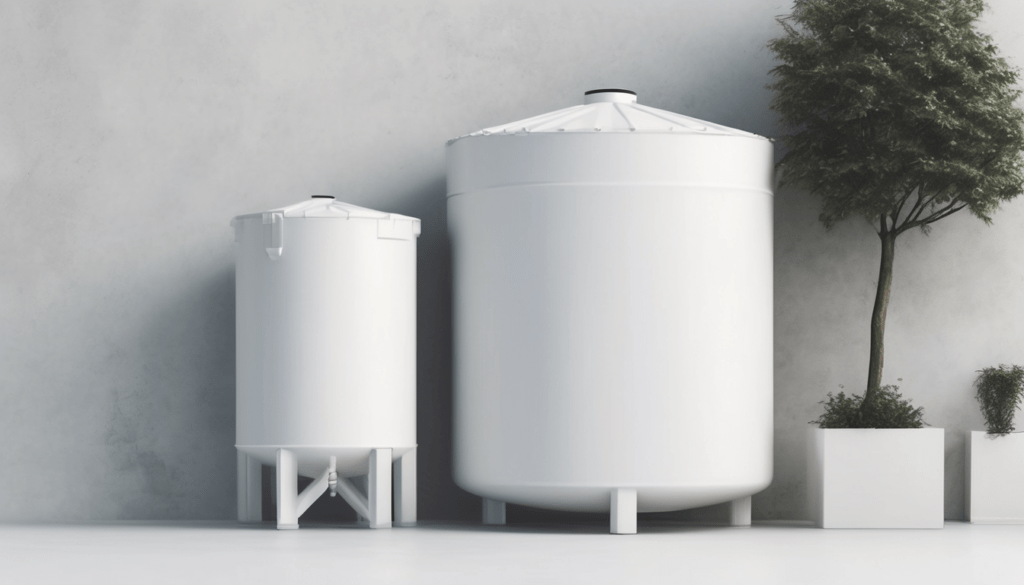
The question of which water tank is the best, plastic or concrete tank box begins with understanding their fundamental differences. Plastic Water Tanks, typically made from polyethylene or polypropylene, offer lightweight construction and ease of installation. These tanks come in various colours, with black being popular for its UV resistance properties crucial in the UAE climate. The manufacturing process involves rotational moulding, creating seamless designs that minimise leakage risks.
Concrete Water Tanks represent the traditional choice for many UAE properties, particularly in older developments and larger commercial buildings. These structures are either pre-cast or constructed on-site using reinforced concrete. Their substantial weight provides stability against strong winds, while the thermal mass helps maintain cooler water temperatures during peak summer months. The question of which water tank is the best, plastic or concrete tank box must consider these inherent characteristics.
When evaluating which water tank is the best, plastic or concrete tank box, property owners should assess their specific requirements. Plastic tanks typically range from 500 to 10,000 litres capacity, suitable for most residential applications. Concrete tanks can be constructed to virtually any size, making them ideal for large commercial properties, hospitals, and industrial facilities where water storage needs exceed 20,000 litres. The decision on which water tank is the best, plastic or concrete tank box depends heavily on your storage volume requirements.
Which Water Tank Is The Best, Plastic Or Concrete Tank Box – Plastic Water Tanks Comprehensive Analysis
Plastic water tanks have gained significant popularity across the UAE due to their practical advantages. When considering which water tank is the best, plastic or concrete tank box, plastic options offer several benefits. Their lightweight nature simplifies transportation and installation, particularly in multi-storey buildings where weight restrictions apply. A standard 1,000-litre plastic tank weighs approximately 50-60kg when empty, compared to several tonnes for equivalent concrete structures.
The corrosion resistance of plastic tanks makes them particularly suitable for the UAE’s coastal areas where salt exposure can degrade other materials. Unlike concrete, plastic doesn’t require internal lining or coating to prevent leaching or contamination. This factor significantly influences which water tank is the best, plastic or concrete tank box for marine environments like Dubai Marina, JBR, and Palm Jumeirah properties.
Modern plastic tanks incorporate UV stabilisers that protect against sun damage, extending their lifespan even when installed in direct sunlight. The seamless construction eliminates joints where bacteria could accumulate, contributing to better water quality maintenance. However, when determining which water tank is the best, plastic or concrete tank box, it’s important to note that plastic can become brittle over time under extreme heat, potentially reducing its impact resistance.
Plastic Tank Varieties and Specifications
The market offers various plastic tank types including vertical, horizontal, underground, and slimline designs. Food-grade polyethylene ensures water remains safe for consumption, while reinforced bases provide stability when full. Understanding these variations is essential when deciding which water tank is the best, plastic or concrete tank box for your specific installation location and space constraints.
Which Water Tank Is The Best, Plastic Or Concrete Tank Box – Concrete Water Tanks Detailed Assessment
Concrete water tanks represent the traditional solution for large-scale water storage throughout the UAE. When evaluating which water tank is the best, plastic or concrete tank box, concrete offers distinct advantages for certain applications. Their exceptional durability withstands extreme weather conditions, including the intense heat and occasional sandstorms common across the region. Concrete’s thermal mass properties help maintain cooler water temperatures, reducing bacterial growth during summer months.
The structural integrity of concrete tanks allows for custom sizing and shaping to fit specific space requirements. They can be built underground, at ground level, or even as rooftop installations with proper engineering support. This flexibility often determines which water tank is the best, plastic or concrete tank box for unique architectural designs or space-constrained properties.
However, when considering which water tank is the best, plastic or concrete tank box, concrete requires careful attention to sealing and lining. Without proper waterproofing, concrete can leach minerals into stored water and may develop cracks over time. Regular inspection and maintenance are essential to prevent contamination issues. The initial construction process is also more complex and time-consuming compared to plastic tank installation.
Concrete Tank Construction Methods
Concrete tanks are typically constructed using reinforced concrete with waterproofing additives or membranes. Pre-cast concrete tanks offer faster installation, while cast-in-place tanks provide maximum customization. The construction method influences which water tank is the best, plastic or concrete tank box based on your project timeline and specific design requirements.
Installation Requirements and Cost Comparison
The installation process significantly impacts which water tank is the best, plastic or concrete tank box for your property. Plastic tank installation typically requires a stable, level base and proper securing against wind forces. Professional installation of a standard 1,000-litre plastic tank in Dubai typically costs between AED 800 and AED 1,500, including all necessary fittings and labour.
Concrete tank installation involves substantial groundwork, formwork, reinforcement, pouring, curing, and waterproofing. This process can take several weeks compared to hours for plastic tanks. The installation cost for a medium-sized concrete tank (5,000 litres) ranges from AED 8,000 to AED 15,000 depending on complexity and location. This cost differential is crucial when determining which water tank is the best, plastic or concrete tank box within your budget constraints.
When assessing which water tank is the best, plastic or concrete tank box, consider the total cost of ownership rather than just initial investment. Plastic tanks generally have lower installation costs but may require replacement after 10-15 years. Concrete tanks involve higher initial investment but can last 30+ years with proper maintenance. The table below illustrates the cost comparison for medium-sized residential tanks:
| Cost Factor | Plastic Tank (5,000L) | Concrete Tank (5,000L) |
|---|---|---|
| Material Cost | AED 2,000 – 3,500 | AED 6,000 – 9,000 |
| Installation Cost | AED 1,000 – 2,000 | AED 8,000 – 12,000 |
| Annual Maintenance | AED 300 – 500 | AED 600 – 1,000 |
| Expected Lifespan | 10-15 years | 25-35 years |
This cost comparison table helps property owners understand the financial implications when deciding which water tank is the best, plastic or concrete tank box for their specific situation.
Maintenance and Cleaning Considerations
Maintenance requirements play a crucial role in determining which water tank is the best, plastic or concrete tank box. Plastic tanks require relatively simple maintenance, primarily involving annual cleaning and inspection for UV damage or brittleness. Their smooth interior surfaces prevent sediment accumulation and make cleaning straightforward. Professional cleaning services in Dubai typically charge AED 600-900 for plastic tank cleaning.
Concrete tanks demand more rigorous maintenance schedules to ensure water quality and structural integrity. Regular inspection for cracks, lining deterioration, and joint integrity is essential. Cleaning concrete tanks is more labour-intensive due to rough interior surfaces that trap sediment. Professional cleaning and disinfection for a concrete tank typically costs AED 1,200-2,000 depending on size and accessibility.
When considering which water tank is the best, plastic or concrete tank box, factor in the maintenance frequency. Plastic tanks generally require cleaning every 6-12 months, while concrete tanks may need quarterly inspections and annual comprehensive maintenance. The maintenance complexity influences long-term costs and should be included in your evaluation of which water tank is the best, plastic or concrete tank box for your property.
Water Quality and Health Implications
Water quality preservation is paramount when deciding which water tank is the best, plastic or concrete tank box. Plastic tanks manufactured from food-grade polyethylene maintain water quality effectively when properly maintained. Their non-porous surfaces prevent bacterial growth and mineral leaching, provided they remain undamaged and clean. UV-resistant materials prevent sunlight penetration that could promote algae growth.
Concrete tanks require internal lining to prevent calcium and other mineral leaching into stored water. Without proper lining maintenance, concrete can affect water pH and taste quality. However, when properly sealed, concrete’s thermal properties help maintain cooler temperatures that inhibit bacterial proliferation. This temperature stability is particularly valuable in the UAE climate when determining which water tank is the best, plastic or concrete tank box for drinking water storage.
The question of which water tank is the best, plastic or concrete tank box must consider local water conditions. In areas with high mineral content water, concrete tanks may require additional treatment to prevent scaling and contamination. Plastic tanks generally maintain more consistent water quality with less maintenance intervention, making them preferable for properties where water quality monitoring is challenging.
Durability and Lifespan Comparison
Durability assessment is essential when determining which water tank is the best, plastic or concrete tank box. High-quality plastic tanks typically offer 10-15 years of reliable service in UAE conditions. Their resistance to corrosion and chemical degradation makes them suitable for various water types. However, prolonged UV exposure can eventually cause brittleness, particularly in cheaper models without adequate UV stabilisation.
Concrete tanks demonstrate exceptional longevity, often lasting 25-35 years with proper maintenance. Their resistance to environmental factors including UV radiation, extreme temperatures, and physical impact makes them remarkably durable. The reinforced construction withstands ground movement and structural stresses that might damage plastic alternatives. This durability strongly influences which water tank is the best, plastic or concrete tank box for long-term property investments.
When evaluating which water tank is the best, plastic or concrete tank box, consider environmental factors specific to your location. Coastal properties may benefit from plastic’s corrosion resistance, while inland properties with stable ground conditions might prefer concrete’s longevity. The table below compares key durability factors:
| Durability Factor | Plastic Tanks | Concrete Tanks |
|---|---|---|
| UV Resistance | Good (with stabilisers) | Excellent |
| Temperature Tolerance | Up to 60°C | Unlimited |
| Impact Resistance | Moderate | Excellent |
| Chemical Resistance | Excellent | Good (with lining) |
| Expected Lifespan | 10-15 years | 25-35 years |
This durability comparison provides valuable insights for property owners deciding which water tank is the best, plastic or concrete tank box for their specific needs.
Environmental Impact and Sustainability
Environmental considerations increasingly influence which water tank is the best, plastic or concrete tank box. Plastic tanks derive from petroleum products and have significant embodied energy in their manufacturing process. However, many modern plastic tanks incorporate recycled materials and are themselves recyclable at end-of-life. Their lightweight nature reduces transportation energy costs compared to concrete alternatives.
Concrete production involves substantial energy consumption and CO2 emissions during manufacturing. However, concrete tanks offer exceptional longevity, potentially offsetting initial environmental impacts through extended service life. Their thermal mass properties can reduce energy consumption for water cooling in certain applications. When determining which water tank is the best, plastic or concrete tank box from an environmental perspective, consider both manufacturing impact and operational efficiency.
The question of which water tank is the best, plastic or concrete tank box environmentally depends on your priorities. Plastic tanks may be preferable where recycling infrastructure exists, while concrete tanks might better suit properties seeking decades-long service without replacement. Both options can be environmentally responsible choices when selected and maintained appropriately for their intended application.
Making The Final Decision Which Water Tank Is Best
The final decision on which water tank is the best, plastic or concrete tank box depends on your specific circumstances. For most residential applications in the UAE, plastic tanks offer practical advantages including lower initial cost, easier installation, and simpler maintenance. Their suitability for rooftop installations and space-constrained properties makes them popular choices for villas and apartments throughout Dubai, Abu Dhabi, and other emirates.
Concrete tanks remain the preferred choice for large-scale commercial, industrial, and institutional applications where massive storage capacity and extreme durability are required. Their ability to maintain cooler water temperatures and withstand decades of service makes them valuable for hospitals, hotels, and manufacturing facilities. When determining which water tank is the best, plastic or concrete tank box, consider your specific water volume requirements, budget constraints, and long-term property plans.
Ultimately, the question of which water tank is the best, plastic or concrete tank box doesn’t have a universal answer. Both options have distinct advantages and appropriate applications. By carefully evaluating your specific needs against the comprehensive comparison provided in this guide, you can confidently determine which water tank is the best, plastic or concrete tank box for your UAE property.
Expert Tips For Water Tank Selection
Based on extensive experience with water storage systems across the UAE, here are essential tips for determining which water tank is the best, plastic or concrete tank box for your situation. First, always choose tanks certified to UAE standards for material safety and structural integrity. Look for Emirates Authority for Standardization and Metrology (ESMA) certification to ensure compliance with local regulations.
Consider your water usage patterns when deciding which water tank is the best, plastic or concrete tank box. Properties with consistent high water demand may benefit from concrete’s temperature stability, while intermittent usage patterns might suit plastic’s easier maintenance. Always factor in accessibility for cleaning and repairs – difficult-to-access locations favour plastic tanks for their lighter weight and easier installation.
Consult with professional water tank specialists before making final decisions on which water tank is the best, plastic or concrete tank box. Reputable companies can assess your specific property conditions, water quality requirements, and budget constraints to recommend the optimal solution. Remember that proper installation and regular maintenance ultimately determine performance regardless of which material you choose.
Frequently Asked Questions
How often should water tanks be cleaned in the UAE climate?
Both plastic and concrete tanks require cleaning every 6-12 months in UAE conditions. High temperatures accelerate bacterial growth, making regular maintenance essential for water quality regardless of which water tank is the best, plastic or concrete tank box for your property.
Can plastic water tanks withstand UAE summer temperatures?
Quality plastic tanks with UV stabilisers perform well in UAE summers, but should be shaded where possible. Maximum temperature tolerance typically reaches 60°C, which is generally sufficient for most applications when deciding which water tank is the best, plastic or concrete tank box.
Are concrete tanks more expensive to maintain than plastic tanks?
Yes, concrete tanks typically require more extensive and costly maintenance due to lining inspections, crack monitoring, and more complex cleaning procedures. This maintenance factor should be considered when determining which water tank is the best, plastic or concrete tank box for your budget.
Which tank type is better for drinking water storage?
Both tank types can safely store drinking water when properly maintained. Plastic tanks generally require less maintenance to preserve water quality, while concrete tanks offer better temperature stability. Your specific maintenance capability may influence which water tank is the best, plastic or concrete tank box for drinking water applications.
Can I install a water tank myself in the UAE?
Professional installation is strongly recommended for both tank types. Concrete tanks require engineering expertise, while plastic tanks need proper securing against UAE wind conditions. Improper installation can void warranties and create safety hazards regardless of which water tank is the best, plastic or concrete tank box for your needs.
Choosing between plastic and concrete water tanks requires careful consideration of multiple factors specific to UAE conditions. By understanding the comprehensive comparison presented in this guide, property owners can make informed decisions about which water tank is the best, plastic or concrete tank box for their specific requirements. Remember that proper installation, regular maintenance, and professional consultation are ultimately more important than the material itself in ensuring reliable water storage for your home or business.