Water Tank Insulation Methods for Hot Climate Complete Guide
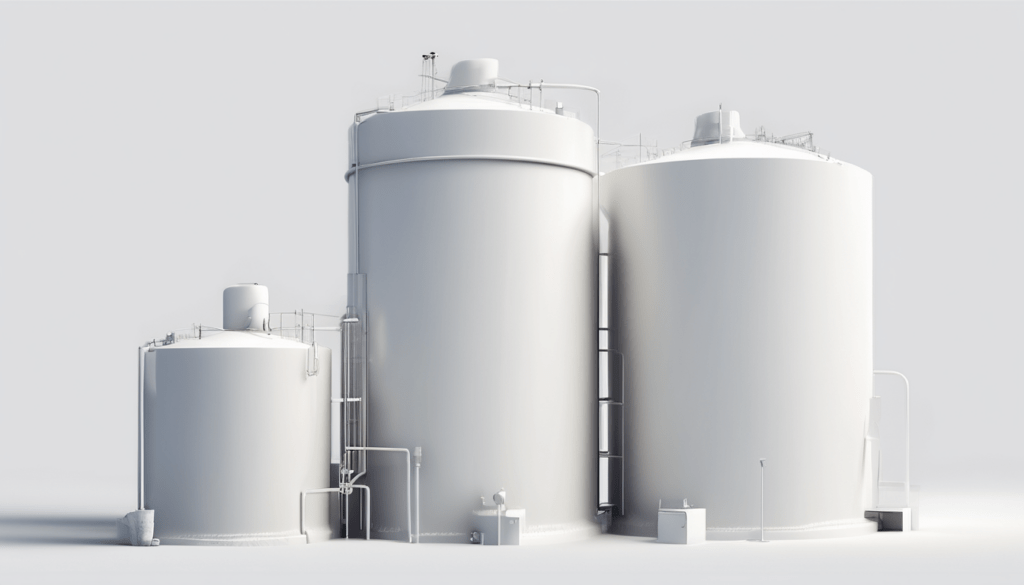
Water tank insulation methods for hot climate refer to the application of thermal barrier materials to prevent excessive heat absorption in water storage systems exposed to high ambient temperatures. In the UAE’s harsh desert environment, where summer temperatures regularly exceed 45°C, uninsulated water tanks can reach temperatures that promote bacterial growth, accelerate plastic degradation, and increase energy consumption for cooling. Effective Water Tank Insulation methods for hot climate are not merely optional but essential for maintaining water quality, extending tank lifespan, and reducing operational costs.
The extreme climate conditions across Dubai, Abu Dhabi, and other Emirates create unique challenges for water storage. Without proper water tank insulation methods for hot climate, water temperatures can rise to levels that encourage legionella bacteria proliferation, cause unpleasant odours, and degrade plastic tanks through accelerated UV exposure and thermal expansion. Concrete tanks, while more resistant to heat, still benefit significantly from insulation to maintain stable water temperatures and prevent condensation issues.
This comprehensive guide explores the most effective water tank insulation methods for hot climate conditions specific to the UAE. We will examine various insulation materials, application techniques, cost considerations, and maintenance requirements to help property owners, facility managers, and homeowners make informed decisions about protecting their water storage systems.
Understanding Water Tank Insulation Methods for Hot Climate
Water tank insulation methods for hot climate encompass various techniques designed to minimise heat transfer from the external environment to the stored water. The primary objective is to create a thermal barrier that reduces solar radiation absorption and convective heat gain. In the UAE context, where rooftop tanks are common and exposed to direct sunlight for most of the year, effective water tank insulation methods for hot climate must address both radiant heat and ambient temperature effects.
These methods typically involve wrapping tanks with insulating materials that have low thermal conductivity values. The insulation works by trapping air pockets that slow down heat transfer, much like how traditional building insulation operates. However, water tank insulation methods for hot climate require additional considerations regarding moisture resistance, UV protection, and durability against the extreme temperature fluctuations experienced in desert environments.
The effectiveness of water tank insulation methods for hot climate is measured by the insulation’s R-value, which indicates thermal resistance. Higher R-values provide better insulation performance. For UAE conditions, insulation materials with R-values between R-8 and R-12 are typically recommended for optimal performance against the extreme heat.
Key Principles of Thermal Protection
Effective water tank insulation methods for hot climate operate on three fundamental principles: reflection, resistance, and ventilation. Reflective surfaces, typically aluminium foil layers, bounce solar radiation away from the tank surface. Resistance layers, usually foam or fibreglass materials, slow down heat conduction through the tank walls. Ventilation considerations prevent heat buildup in the air space around insulated tanks, particularly important for rooftop installations in Dubai and Abu Dhabi.
Water Tank Insulation Methods For Hot Climate – Why Water Tank Insulation Matters in UAE Climate
Implementing proper water tank insulation methods for hot climate is critically important in the UAE for several compelling reasons. The extreme environmental conditions create unique challenges that make insulation not just beneficial but necessary for health, safety, and economic reasons. Without adequate water tank insulation methods for hot climate, water temperatures can reach levels that compromise both water quality and system integrity.
From a health perspective, warm water between 25°C and 45°C provides ideal conditions for bacterial growth, particularly legionella bacteria which can cause serious respiratory illnesses. Effective water tank insulation methods for hot climate help maintain water temperatures below this danger zone, reducing health risks for building occupants. This is especially important for residential buildings, hotels, and healthcare facilities where water safety is paramount.
Economically, water tank insulation methods for hot climate reduce energy consumption by maintaining cooler water temperatures. In air-conditioned buildings, which represent the vast majority of UAE structures, cooler incoming water requires less energy to chill for domestic use. Additionally, insulation extends tank lifespan by protecting plastic tanks from UV degradation and reducing thermal expansion stress on both plastic and concrete tanks.
Water Tank Insulation Methods For Hot Climate – Insulation Materials Comparison for Hot Conditions
Selecting appropriate materials is crucial for effective water tank insulation methods for hot climate. The UAE market offers several insulation options, each with distinct advantages and limitations. Understanding these materials helps in choosing the most suitable solution for specific tank types and installation conditions.
Closed-cell foam insulation, particularly polyurethane foam, offers excellent thermal performance with R-values typically between R-6 and R-7 per inch. This material provides superior moisture resistance, making it ideal for the humid coastal areas of Dubai Marina or Palm Jumeirah. However, professional application is required, and costs range from AED 800 to AED 1,500 for standard residential tanks.
Fibreglass insulation remains a popular choice for water tank insulation methods for hot climate due to its affordability and availability. With R-values around R-3 to R-4 per inch, fibreglass requires vapour barriers to prevent moisture absorption, which can reduce effectiveness. Installation costs typically range from AED 600 to AED 1,200 depending on tank size and accessibility.
| Material | R-Value per Inch | Cost Range (AED) | best For | Lifespan |
|---|---|---|---|---|
| Polyurethane Foam | R-6 to R-7 | 800-1,500 | All tank types | 15-20 years |
| Fibreglass | R-3 to R-4 | 600-1,200 | Concrete tanks | 10-15 years |
| Reflective Foil | R-3 to R-4 | 400-800 | Plastic tanks | 5-8 years |
| Polyethylene Foam | R-3.5 to R-4.5 | 700-1,300 | Underground tanks | 12-15 years |
Comparison of common insulation materials used in water tank insulation methods for hot climate applications in the UAE, showing thermal performance, cost ranges, and suitability for different tank types.
Plastic Water Tank Insulation Techniques
Plastic water tanks require specific water tank insulation methods for hot climate due to their material properties and common installation patterns. Most plastic tanks in the UAE are polyethylene and installed on rooftops, making them particularly vulnerable to solar heat gain. Effective water tank insulation methods for hot climate for plastic tanks must address both thermal protection and material compatibility.
The most effective approach involves using reflective insulation systems consisting of aluminium foil bonded to foam or bubble wrap layers. These materials provide excellent radiant heat reflection while adding minimal weight to the tank structure. Installation typically involves wrapping the tank completely and securing with UV-resistant straps or adhesive tapes designed for outdoor use in high temperatures.
For comprehensive protection, water tank insulation methods for hot climate should include covering the tank top, which receives the most direct sunlight. Many homeowners in communities like Arabian Ranches or Emirates Hills opt for custom-made insulated covers that provide complete enclosure while allowing access for maintenance. These covers typically cost between AED 300 and AED 800 depending on size and material quality.
Concrete Water Tank Insulation Approaches
Concrete water tanks present different challenges for water tank insulation methods for hot climate due to their mass, construction method, and typical below-grade or basement locations. While concrete has better inherent thermal mass properties than plastic, insulation remains important for maintaining stable temperatures and preventing condensation issues.
Exterior insulation is the most effective approach for concrete tanks, typically applied during construction or major renovation. Spray-applied polyurethane foam provides excellent adhesion to concrete surfaces and creates a seamless insulation layer. This method is particularly effective for underground tanks common in Dubai Hills Estate and similar developments, where soil temperatures can still transfer significant heat.
For existing concrete tanks, interior insulation using closed-cell foam boards offers a practical solution. These boards are cut to fit and adhered to the interior walls, providing thermal break between the water and concrete mass. This approach requires temporary tank emptying and thorough surface preparation, with costs typically ranging from AED 1,500 to AED 3,000 depending on tank size and accessibility.
Installation Costs and Considerations in UAE
Implementing water tank insulation methods for hot climate involves various cost factors that property owners should consider. Installation expenses vary significantly based on tank type, size, location, and chosen insulation material. Understanding these costs helps in budgeting and selecting the most cost-effective water tank insulation methods for hot climate applications.
For standard 500-gallon plastic rooftop tanks commonly found in Dubai villas, professional insulation installation typically costs between AED 800 and AED 1,500. This includes materials, labour, and basic weather protection. Larger commercial tanks of 2,000 gallons or more may cost AED 3,000 to AED 6,000 to insulate properly, depending on accessibility and complexity.
Several factors influence the final cost of water tank insulation methods for hot climate implementation. Tank accessibility plays a significant role, easily accessible rooftop tanks cost less to insulate than those in confined spaces or requiring special access equipment. The need for additional weatherproofing or custom fittings also increases costs, particularly in coastal areas like Dubai Marina where salt spray resistance is important.
Maintenance Best Practices for Insulated Tanks
Proper maintenance ensures the long-term effectiveness of water tank insulation methods for hot climate. Insulated tanks require periodic inspection and care to maintain their thermal performance and structural integrity.
Quarterly visual inspections should check for damage to the insulation surface, particularly from UV exposure, which can degrade materials over time. In the UAE’s intense sunlight, even UV-resistant materials may show signs of deterioration after several years. Look for fading, cracking, or peeling of reflective surfaces, and address any issues promptly to maintain thermal performance.
Annual professional inspections are recommended to assess the overall condition of both the insulation and the underlying tank. Professionals can identify moisture accumulation between the insulation and tank surface, which can reduce effectiveness and potentially cause corrosion or mold growth. These inspections typically cost AED 200 to AED 400 and provide peace of mind regarding your water tank insulation methods for hot climate investment.
Expert Tips for Effective Water Tank Insulation
Based on extensive experience with water tank insulation methods for hot climate in UAE conditions, several expert recommendations can significantly improve insulation effectiveness and longevity. These practical tips address common challenges and optimise performance for the specific environmental conditions encountered across the Emirates.
First, always ensure proper surface preparation before applying insulation. Clean the tank surface thoroughly to remove dust, dirt, and any biological growth. For plastic tanks, use appropriate cleaners that won’t damage the surface or affect water quality. Proper adhesion is crucial for long-term performance of water tank insulation methods for hot climate applications.
Consider adding a reflective rain cover over insulated tanks. While the insulation itself provides thermal protection, an additional reflective cover can further reduce solar heat gain by creating an air gap between the cover and insulation. This double-layer approach is particularly effective in extreme heat conditions and can improve overall performance by 15-20%.
Schedule insulation work during cooler months between November and March. Applying insulation in moderate temperatures ensures proper adhesion and allows materials to set correctly before facing extreme summer heat. This timing also typically coincides with lower demand for insulation services, potentially reducing installation costs.
For large installations or commercial properties, consider installing temperature monitoring systems. These systems track water temperature and can alert you to insulation failures or performance degradation. Modern wireless sensors cost between AED 300 and AED 600 and provide valuable data for maintaining optimal water tank insulation methods for hot climate performance.
FAQ: Water Tank Insulation in Hot Climate
How much temperature reduction can I expect from insulating my water tank?
Properly implemented water tank insulation methods for hot climate can reduce water temperature by 8°C to 15°C compared to uninsulated tanks during peak summer months. The actual reduction depends on insulation quality, tank colour, and exposure to direct sunlight.
Can I install insulation myself, or should I hire professionals?
While DIY insulation kits are available, professional installation is recommended for optimal results. Professionals ensure proper material selection, complete coverage, and secure installation that withstands UAE weather conditions. The investment in professional installation typically pays back through better performance and longevity.
How often should insulation be replaced?
Most quality insulation materials last 10-15 years in UAE conditions. Reflective foil systems may require replacement every 5-8 years due to UV degradation. Annual inspections help determine when replacement is needed for maintaining effective water tank insulation methods for hot climate performance.
Does insulation affect tank cleaning requirements?
Insulation does not significantly impact cleaning frequency but may require temporary removal for thorough cleaning access. Most professional cleaning services in Dubai are experienced in working with insulated tanks and can properly reinstall insulation after cleaning.
Conclusion
The extreme temperatures experienced across Dubai, Abu Dhabi, and other Emirates make insulation not just beneficial but necessary for responsible water storage management. By understanding the various materials, techniques, and maintenance requirements, property owners can make informed decisions that protect their investment and ensure safe water storage.
The choice of water tank insulation methods for hot climate should consider specific tank type, location, and budget constraints. Whether opting for spray foam insulation for concrete tanks or reflective systems for plastic tanks, the investment in proper thermal protection delivers significant returns through improved efficiency and reduced maintenance costs. Regular inspection and maintenance ensure that your insulation continues to perform effectively through the challenging UAE climate.