Water Tank Safety Standards and Regulations UAE Guide
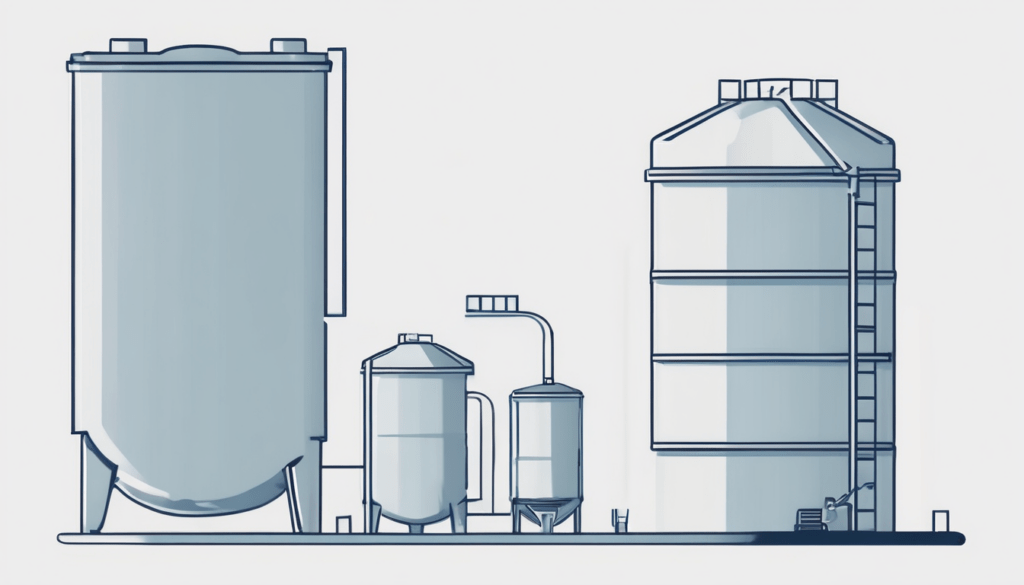
Water Tank Safety is a critical concern for every property owner in the UAE, where high temperatures and environmental conditions demand strict adherence to maintenance protocols. Understanding Water Tank Safety Standards and Regulations UAE requirements ensures your water storage system remains hygienic, functional, and compliant with local authorities. This guide provides a comprehensive overview of the mandatory standards, inspection requirements, and best practices that apply to residential and commercial properties across all seven emirates.
The UAE’s hot climate presents unique challenges for water storage, making proper tank maintenance essential for preventing bacterial growth, contamination, and system failures. Water Tank Safety Standards and Regulations UAE frameworks have been developed by municipalities in Dubai, Abu Dhabi, Sharjah, and other emirates to protect public health and ensure water quality meets established safety parameters. Whether you own a villa, apartment building, or commercial facility, compliance with these regulations is not optional—it’s a legal requirement with significant health implications.
This article will walk you through the complete Water Tank Safety Standards and Regulations UAE framework, including cleaning frequencies, material specifications, installation requirements, and documentation procedures. We’ll cover both the technical specifications and the practical implementation steps that property owners and facility managers need to follow to maintain compliance and ensure safe water quality for occupants.
Understanding Water Tank Safety Standards and Regulations UAE
The foundation of Water Tank Safety Standards and Regulations UAE begins with recognizing that water storage represents a critical point in the drinking water supply chain. These standards address multiple aspects of water tank management, including design specifications, installation requirements, maintenance protocols, and water quality monitoring. The regulations are designed to prevent contamination, minimize health risks, and ensure that stored water remains safe for consumption and domestic use.
Water Tank Safety Standards and Regulations UAE typically mandate specific materials that are approved for water contact surfaces, requiring non-toxic, corrosion-resistant materials that won’t leach harmful substances into the water. The standards also specify design features such as secure lids, proper ventilation, overflow prevention mechanisms, and accessibility for cleaning and inspection. These requirements apply to both underground and overhead tanks, though specific provisions may vary based on tank location and capacity.
Compliance with Water Tank Safety Standards and Regulations UAE involves regular water testing to monitor parameters such as bacterial content, chemical composition, and physical characteristics. Property owners must maintain records of cleaning activities, water test results, and any repairs or modifications made to the tank system. These documentation requirements are essential for demonstrating compliance during municipal inspections or when responding to tenant concerns about water quality.
Key Regulatory Authorities for Water Tank Safety Standards and Regulations UAE
Several authorities oversee Water Tank Safety Standards and Regulations UAE implementation, with each emirate maintaining its own municipal department responsible for enforcement. Other emirates including Sharjah, Ajman, Fujairah, and Ras Al Khaimah have their own municipal departments that establish and enforce local water tank regulations.
These authorities conduct random inspections of residential and commercial properties to verify compliance with Water Tank Safety Standards and Regulations UAE. Inspection teams check for proper tank maintenance, water quality, documentation of cleaning activities, and overall system condition. Properties found non-compliant may receive violation notices, fines, or in severe cases, water supply disconnection until corrective actions are completed. The inspection frequency varies by emirate and property type, with commercial and multi-unit residential buildings typically facing more frequent checks.
In addition to municipal authorities, the UAE Federal Authority for Standardization and Metrology (ESMA) provides national standards that influence Water Tank Safety Standards and Regulations UAE framework. ESMA standards cover materials, construction specifications, and performance requirements for water storage tanks sold and installed in the UAE. These standards ensure that tanks meet minimum quality and safety benchmarks before they enter the market, providing a foundation for municipal regulations.
Mandatory Cleaning Frequency Requirements Under Water Tank Safety Standards and Regulations UAE
Water Tank Safety Standards and Regulations UAE specify minimum cleaning frequencies based on tank type, usage, and location. For most residential properties, comprehensive cleaning and disinfection are required at least once every six months. Commercial properties, hotels, hospitals, and food service establishments typically face stricter requirements, with mandatory cleaning every three to four months due to higher usage volumes and increased public health responsibility.
The timing of cleaning under Water Tank Safety Standards and Regulations UAE often correlates with seasonal changes, with many property owners scheduling cleanings before and after the summer months when bacterial growth rates peak. Additional cleanings may be required following tank repairs, contamination incidents, or periods of extended non-use. Property owners must maintain records of all cleaning activities, including dates, methods used, and the professionals who performed the work.
Water Tank Safety Standards and Regulations UAE also mandate immediate cleaning following specific events such as flood exposure, visible contamination, or water quality complaints from occupants. In these cases, simply following the regular schedule is insufficient—property owners must address the issue promptly and may need to conduct additional water testing to verify that the problem has been resolved before returning the tank to service.
Water Tank Material Specifications in Water Tank Safety Standards and Regulations UAE
Water Tank Safety Standards and Regulations UAE include detailed specifications for approved tank materials to ensure they don’t compromise water quality. Food-grade polyethylene is the most common material for plastic tanks, while concrete tanks must use specific sealing compounds that prevent leaching and bacterial growth. Stainless steel tanks are also permitted but must meet corrosion resistance standards suitable for the UAE’s water chemistry and climate conditions.
The material requirements in Water Tank Safety Standards and Regulations UAE extend beyond the tank itself to include all components that contact stored water. Pipes, valves, fittings, and seals must all meet approved material standards to prevent contamination. Additionally, tanks must feature dark-colored or opaque materials to prevent sunlight penetration, which can promote algae growth and degrade water quality over time.
Water Tank Safety Standards and Regulations UAE also address installation specifications that vary by material type. Plastic tanks require proper support structures to prevent deformation, while concrete tanks need adequate foundations to avoid cracking. Underground tanks must include secondary containment measures in some emirates, and all tanks must have secure, tight-fitting lids that prevent insect and rodent entry while allowing proper ventilation.
Professional Cleaning Procedures Under Water Tank Safety Standards and Regulations UAE
Water Tank Safety Standards and Regulations UAE specify that cleaning must be performed by trained professionals using approved methods and disinfectants. The standard procedure begins with complete drainage of the tank, followed by thorough scrubbing of all interior surfaces using specialized equipment. Professionals must remove all sediment, biofilm, and visible contamination before applying approved disinfectants that eliminate microorganisms without leaving harmful residues.
The cleaning process under Water Tank Safety Standards and Regulations UAE requires specific safety protocols, including confined space entry procedures, proper ventilation, and use of personal protective equipment. After cleaning and disinfection, tanks must be thoroughly rinsed to remove cleaning agents before refilling. The first fill after cleaning is typically discarded or used for non-potable purposes to ensure any residual disinfectant is flushed from the system.
Water Tank Safety Standards and Regulations UAE mandate post-cleaning water testing to verify that the process was effective. Testing typically includes checks for bacterial contamination (total coliform and E. coli), turbidity, chlorine residual levels, and pH balance. Only when water tests meet established safety parameters can the tank be considered properly cleaned and ready for use. Professional cleaning companies must provide certificates documenting the cleaning process and test results for property records.
Documentation and Compliance Certification for Water Tank Safety Standards and Regulations UAE
Proper documentation is a critical component of Water Tank Safety Standards and Regulations UAE compliance. Property owners must maintain detailed records of all maintenance activities, including cleaning dates, service providers, water test results, and any repairs performed. These records must be available for inspection by municipal authorities upon request and typically should be kept for at least two years to demonstrate ongoing compliance.
After each professional cleaning service, property owners should receive a compliance certificate that documents the work performed. This certificate should include the company details, date of service, cleaning methods used, disinfectants applied, and water test results. Many municipalities provide standardized certificate templates that cleaning companies must use to ensure consistency and completeness of documentation across the industry.
Water Tank Safety Standards and Regulations UAE also require property owners to maintain records of any consumer complaints about water quality and the actions taken to address them. This documentation trail demonstrates due diligence and responsive management of water safety concerns. For commercial properties and residential buildings with multiple units, maintaining transparent records helps build trust with occupants who rely on safe water daily.
Expert Tips for Maintaining Water Tank Safety Standards and Regulations UAE Compliance
Maintaining compliance with Water Tank Safety Standards and Regulations UAE requires ongoing attention beyond scheduled cleanings. First, establish a preventive maintenance schedule that includes visual inspections between professional cleanings. Look for signs of lid damage, sediment accumulation, or unusual water discoloration that might indicate developing problems needing attention before the next scheduled service.
Second, work only with certified professionals who understand Water Tank Safety Standards and Regulations UAE requirements thoroughly. Verify that your service provider holds appropriate licenses from the municipality where your property is located and carries adequate insurance coverage. Reputable companies will provide detailed documentation including method statements, safety protocols, and compliance certificates after each service.
Third, consider installing additional protective measures that exceed minimum Water Tank Safety Standards and Regulations UAE requirements. UV sterilization systems, additional filtration stages, and automatic tank monitoring systems can provide extra protection against contamination between cleanings. While these systems don’t replace mandatory cleaning, they can help maintain water quality and provide early warning of developing issues.
Frequently Asked Questions About Water Tank Safety Standards and Regulations UAE
What are the penalties for non-compliance with Water Tank Safety Standards and Regulations UAE?
Penalties vary by emirate but typically include fines ranging from AED 500 to AED 5,000 for initial violations, with higher penalties for repeat offenses or serious health risks. In extreme cases, municipalities may disconnect water supply until compliance is verified through re-inspection.
How often should water testing be conducted under Water Tank Safety Standards and Regulations UAE?
Water testing is required after each cleaning and additionally whenever water quality concerns arise. Some commercial properties may require quarterly testing regardless of cleaning schedule, while residential properties typically test biannually aligned with cleaning cycles.
Can property owners perform their own tank cleaning to meet Water Tank Safety Standards and Regulations UAE?
Most municipalities require professional cleaning by licensed companies for compliance documentation. DIY cleaning typically doesn’t meet certification requirements and may not properly address safety protocols, especially for confined space entry.
Complying with Water Tank Safety Standards and Regulations UAE is essential for protecting public health and avoiding regulatory penalties. By understanding the requirements, maintaining proper documentation, and working with qualified professionals, property owners can ensure their water storage systems provide safe, clean water for all occupants. Regular maintenance not only meets legal obligations but also extends tank lifespan and prevents costly emergency repairs.