
Why Is My AC Dripping Water Inside the House in Dubai?
An AC unit dripping water inside the house is one of the most common call-outs Saniservice receives across Dubai, Sharjah, and Abu Dhabi. The causes range…
Read on →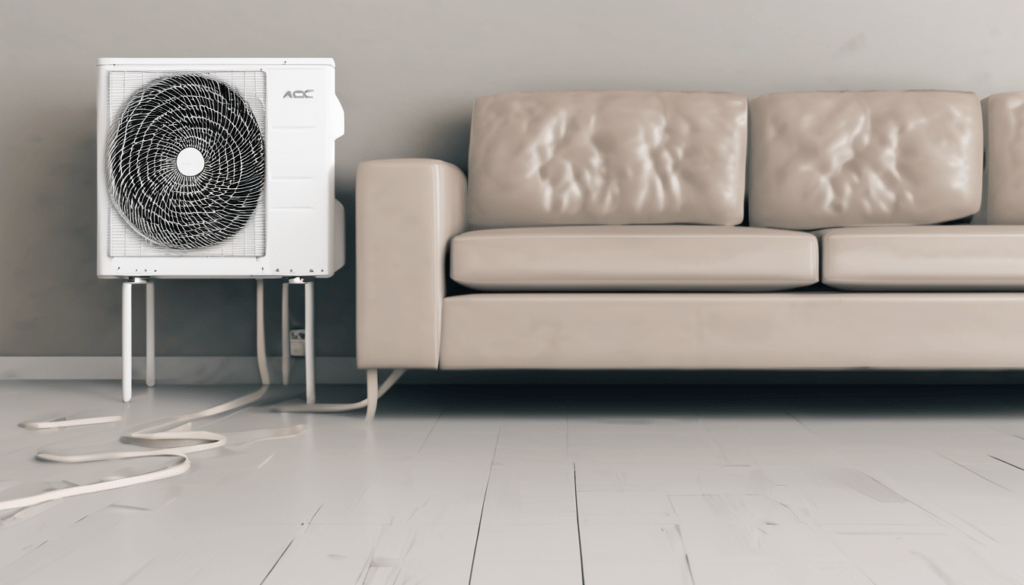
When Does an AC Water Leak Mean a Refrigerant Problem?
Not every AC water leak traces back to a blocked drain or a dirty filter. When an AC water leak means a refrigerant problem, the underlying…
Read on →
Mold and Indoor Air Quality in Abu Dhabi Apartments
A case study from an Abu Dhabi residential tower reveals how mold and indoor air quality issues develop silently behind walls, inside AC units, and along…
Read on →
AC Duct Cleaning vs AC Deep Cleaning in Dubai
AC duct cleaning and AC deep cleaning are related but distinct services — understanding the difference helps Dubai homeowners choose the right scope of work. Duct…
Read on →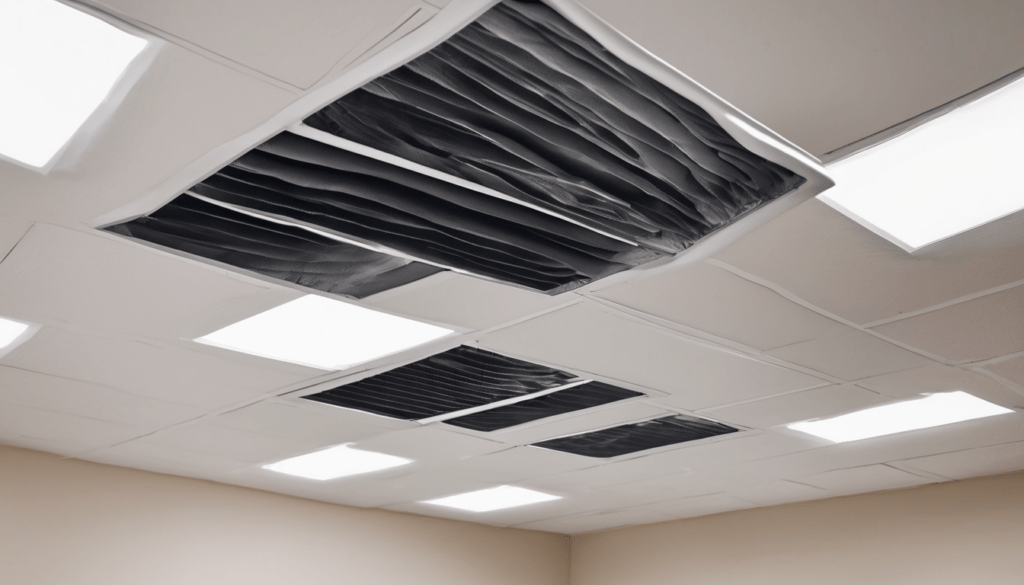
Top 10 AC Duct Cleaning Service Companies Guide
Choosing among the many AC duct cleaning service companies in Dubai means looking beyond price lists to certifications, methodology, and documented outcomes. This guide covers what…
Read on →
What Does a Professional Mold Inspection Involve in Dubai?
A professional mold inspection is a structured assessment that identifies the presence, extent, and root cause of mold growth inside a building. In Dubai's climate, where…
Read on →
Are Cockroach Baits Safer Than Sprays Indoors?
When it comes to indoor cockroach control in Dubai, gel baits are generally safer and more effective than broadcast insecticide sprays. Baits work by targeting cockroaches…
Read on →
Does a New UAE Property Need Indoor Air Quality Testing?
New UAE properties often carry hidden indoor air quality concerns that occupants cannot see or smell. From construction off-gassing to contaminated ductwork, the risks are real…
Read on →
Why Does My AC Smell Bad After Cleaning in Dubai?
A bad smell from your AC after cleaning is more common than most homeowners expect, and it nearly always points to something specific: residual moisture, disturbed…
Read on →
How Often Should AC Ducts Be Cleaned in UAE?
In the UAE, AC duct cleaning frequency depends on climate conditions, building type, occupancy, and what a professional assessment finds inside the system. Most residential properties…
Read on →