Best Water Tank Capacity for Dubai Homes Guide
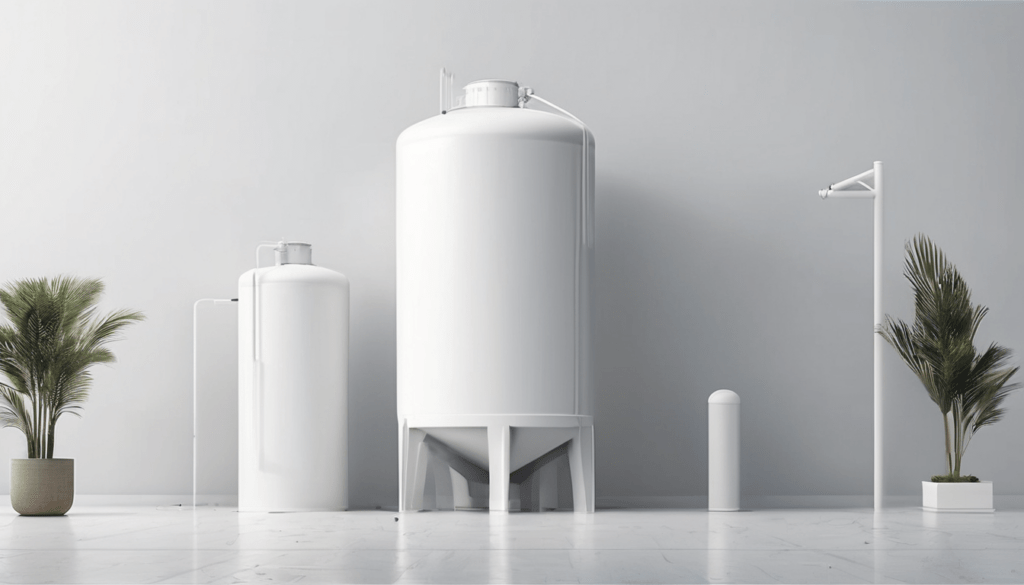
Selecting the best water tank capacity for Dubai homes is a critical decision that impacts daily comfort, water security, and maintenance requirements. In Dubai’s unique climate, where temperatures regularly exceed 40°C and municipal water supply interruptions can occur, having adequate water storage is not just convenient but essential. The best Water Tank capacity for Dubai homes balances current consumption needs with future requirements while considering space constraints and local regulations.
Dubai’s rapid urban development and extreme weather conditions create specific challenges for water storage. Unlike temperate climates, Dubai homes require tanks that can withstand high temperatures, resist algae growth, and maintain water quality despite external heat. The best water tank capacity for Dubai homes must account for these environmental factors while providing sufficient reserve for the household’s daily activities, including bathing, cooking, cleaning, and outdoor irrigation.
This comprehensive guide explores the key factors determining the best water tank capacity for Dubai homes, including family size, property type, consumption patterns, and local building regulations. Whether you live in a villa in Emirates Hills, an apartment in Dubai Marina, or a townhouse in Arabian Ranches, understanding these principles will help you make an informed decision about your water storage needs.
Understanding Best Water Tank Capacity for Dubai Homes
The best water tank capacity for Dubai homes begins with understanding basic consumption patterns and emergency preparedness. An average Dubai resident uses approximately 550 litres of water per day, according to Dubai Electricity and Water Authority (DEWA) statistics. This figure includes drinking, cooking, bathing, laundry, and other household activities. However, this consumption can vary significantly based on lifestyle, garden irrigation needs, and the presence of swimming pools.
For most Dubai homes, the minimum recommended capacity provides at least 24-48 hours of water autonomy. This means your tank should hold enough water to sustain your household for one to two days without municipal supply. This buffer is particularly important in Dubai, where infrastructure work or maintenance can occasionally interrupt water supply. The best water tank capacity for Dubai homes also considers peak usage times, such as weekends or holidays when more family members may be home and water consumption increases.
Another critical factor in determining the best water tank capacity for Dubai homes is the availability of space for installation. Villa properties typically have more flexibility for larger tanks, while apartments and townhouses may have space constraints that limit tank size. Roof-mounted tanks are common in Dubai, but ground-level installations are also possible with proper planning and municipal approval.
Best Water Tank Capacity For Dubai Homes – Family Size and Water Consumption Calculations
Calculating the best water tank capacity for Dubai homes requires careful assessment of your household’s specific water needs. A family of four typically requires between 2,000 and 3,000 litres per day for basic activities. This calculation forms the foundation for determining appropriate storage capacity.
Here’s a breakdown of typical daily water consumption for Dubai households:
| Activity | Water Consumption (Litres) | Frequency |
|---|---|---|
| Showering | 60-80 per person | 1-2 times daily |
| Toilet flushing | 6-9 per flush | 4-6 times daily |
| Cooking and drinking | 10-15 per person | Daily |
| Dishwashing | 30-40 | 2-3 times daily |
| Laundry | 100-150 | Every 2-3 days |
| Garden irrigation | 500-2,000 | Daily (varies by garden size) |
Based on these consumption patterns, the best water tank capacity for Dubai homes can be determined using these guidelines: single residents or couples typically need 1,000-1,500 litre tanks; families of 3-4 require 2,000-3,000 litre capacity; larger families of 5-6 need 3,500-5,000 litres; and homes with extensive landscaping or pools may require 5,000-10,000 litres or more.
Best Water Tank Capacity For Dubai Homes – Dubai Property Types and Tank Capacity Requirements
The best water tank capacity for Dubai homes varies significantly based on property type and layout. Dubai’s diverse residential landscape includes high-rise apartments, townhouses, villas, and luxury estates, each with different constraints and requirements.
Apartments and High-Rise Buildings
Most Dubai apartments have built-in water tanks as part of the building’s infrastructure, typically ranging from 500-1,500 litres. These are usually located on building rooftops or in dedicated utility rooms. Residents generally cannot modify these tanks but should understand their capacity to plan for potential water shortages.
Townhouses and Cluster Homes
Townhouses in communities like The Springs, Meadows, or Jumeirah Village Circle often have roof spaces that can accommodate 1,000-2,000 litre tanks. The best water tank capacity for Dubai homes of this type typically ranges from 1,500-2,500 litres, depending on family size and garden requirements.
Villas and Standalone Homes
Villas offer the most flexibility for water storage solutions. Properties in Emirates Hills, Arabian Ranches, or Mirdif can typically accommodate 3,000-10,000 litre tanks, either on rooftops, in gardens, or underground. The best water tank capacity for Dubai villas often includes multiple tanks plumbed together to achieve the desired total capacity.
Climate Considerations for Water Storage in UAE
Dubai’s extreme climate significantly impacts water storage decisions. Summer temperatures regularly exceed 40°C, and direct sunlight can heat water tanks to uncomfortable temperatures while promoting algae growth. These factors influence both tank capacity selection and material choice.
The best water tank capacity for Dubai homes must account for increased water consumption during summer months. Water usage typically increases by 30-50% during peak summer due to more frequent showers, increased drinking water needs, and additional irrigation requirements to maintain gardens in the intense heat. This seasonal variation means your tank should have extra capacity to handle these peak demand periods.
High temperatures also affect water quality and evaporation rates. Larger water volumes tend to maintain more stable temperatures and experience lower percentage evaporation loss. For this reason, the best water tank capacity for Dubai homes often errs on the larger side to maintain water quality and reduce the frequency of refilling during hot periods.
The regulations are designed to ensure public health, structural safety, and environmental protection.
Tanks must be properly sealed to prevent contamination from insects, dust, or other pollutants. Installation must follow structural safety standards, particularly for roof-mounted tanks where weight distribution is critical.
While there are no specific mandated minimum capacities for residential properties, Dubai Civil Defence regulations require that buildings have adequate water storage for firefighting purposes. For villas, this typically means at least 1,000 litres dedicated exclusively to fire safety, which should be considered separately from domestic water storage when calculating the best water tank capacity for Dubai homes.
<h2 id="comparing-plastic-vs-concrete-tank-options”>Comparing Plastic vs Concrete Tank Options
When determining the best water tank capacity for Dubai homes, material selection is equally important as size. The two most common options are plastic (polyethylene) tanks and concrete tanks, each with distinct advantages and limitations in Dubai’s environment.
Plastic Water Tanks
Plastic tanks are lightweight, easy to install, and resistant to corrosion. They typically range from 500-10,000 litres in capacity and are available in various shapes to fit different spaces. Modern plastic tanks often include UV inhibitors to protect against Dubai’s intense sunlight. The best water tank capacity for Dubai homes using plastic options typically involves multiple interconnected tanks to achieve desired capacity.
Concrete Water Tanks
Concrete tanks offer superior insulation properties, keeping water cooler in Dubai’s heat. They are typically built on-site and can be customized to any capacity, making them ideal for large villas with significant water needs. However, they require professional construction, proper sealing to prevent leakage, and regular maintenance to prevent algae growth. The best water tank capacity for Dubai homes using concrete often involves single large tanks of 5,000-20,000 litres.
| Feature | Plastic Tanks | Concrete Tanks |
|---|---|---|
| Installation Cost | AED 1,500-5,000 | AED 8,000-20,000+ |
| Lifespan | 10-15 years | 20-30 years |
| Maintenance | Low | Moderate to High |
| Temperature Control | Poor (requires insulation) | Excellent (natural insulation) |
| Customization | Limited to standard sizes | Fully customizable |
Installation and Maintenance Considerations
Proper installation and maintenance are crucial for achieving the best water tank capacity for Dubai homes. Even the perfectly sized tank will underperform if not installed correctly or maintained regularly.
Installation considerations include placement location (rooftop vs ground level), structural support requirements, accessibility for maintenance, and connection to existing plumbing systems. Rooftop installations provide natural water pressure but require structural assessment to ensure the roof can support the weight when full. Ground-level installations may require pumping systems but offer easier access for maintenance.
Maintenance directly impacts the effective capacity of your water tank. Sediment buildup, algae growth, and scaling can reduce usable capacity over time. Dubai’s hard water conditions accelerate mineral deposition, making regular cleaning essential. The best water tank capacity for Dubai homes maintains its effectiveness through biannual inspections and annual professional cleaning to remove sediment and disinfect surfaces.
Expert Tips for Optimal Water Tank Selection
Based on years of experience with water systems in Dubai homes, here are expert recommendations for selecting the best water tank capacity:
- Calculate realistically: Track your actual water usage for a week before deciding on capacity. Don’t rely on theoretical calculations alone.
- Consider future needs: Plan for family expansion, additional bathrooms, or landscape projects that might increase water demand.
- Prioritize quality: Invest in tanks with UV protection, food-grade materials, and robust construction to withstand Dubai’s climate.
- Think about redundancy: Consider multiple smaller tanks instead of one large tank to maintain some water supply if one tank develops issues.
- Factor in maintenance access: Ensure your tank placement allows for easy cleaning and inspection access.
- Check municipal pressure: Understand your area’s water pressure patterns to determine if you need booster pumps for optimal performance.
- Insulate properly: Regardless of tank material, proper insulation reduces evaporation and keeps water cooler in summer months.
- Plan for overflow: Ensure proper drainage for overflow situations, particularly during rare heavy rainfall events in Dubai.
Frequently Asked Questions
How often should water tanks be cleaned in Dubai?
Water tanks in Dubai should be professionally cleaned at least annually, with visual inspections every six months. The intense heat and dust conditions accelerate contamination, making regular maintenance essential for water quality.
Can I install a water tank myself in Dubai?
What is the average cost of installing a water tank in Dubai?
Installation costs vary significantly by capacity and material. Basic plastic tank installations start around AED 1,500 for 1,000 litre tanks, while custom concrete installations can exceed AED 20,000 for large capacity systems.
How does water tank capacity affect my DEWA bill?
Your tank capacity doesn’t directly affect your water bill, which is based on actual consumption. However, larger tanks may encourage more conscious water usage patterns as you become more aware of your consumption.
Conclusion: Making the Right Capacity Choice
Selecting the best water tank capacity for Dubai homes requires careful consideration of multiple factors unique to the UAE environment. From family size and consumption patterns to property type and local regulations, each element plays a crucial role in determining the optimal storage solution. The extreme climate, with its high temperatures and occasional supply interruptions, makes adequate water storage not just a convenience but a necessity for comfortable living in Dubai.
Remember that the best water tank capacity for Dubai homes balances current needs with future requirements, prioritizes water quality through proper material selection and maintenance, and complies with local regulations. Whether you choose plastic or concrete, rooftop or ground installation, the right capacity will provide peace of mind and reliable water security for your household. Consult with professional water tank specialists in Dubai to assess your specific situation and make the most informed decision for your home’s water storage needs.