When Do Signs Your AC Unit Needs Cleaning Show Up?
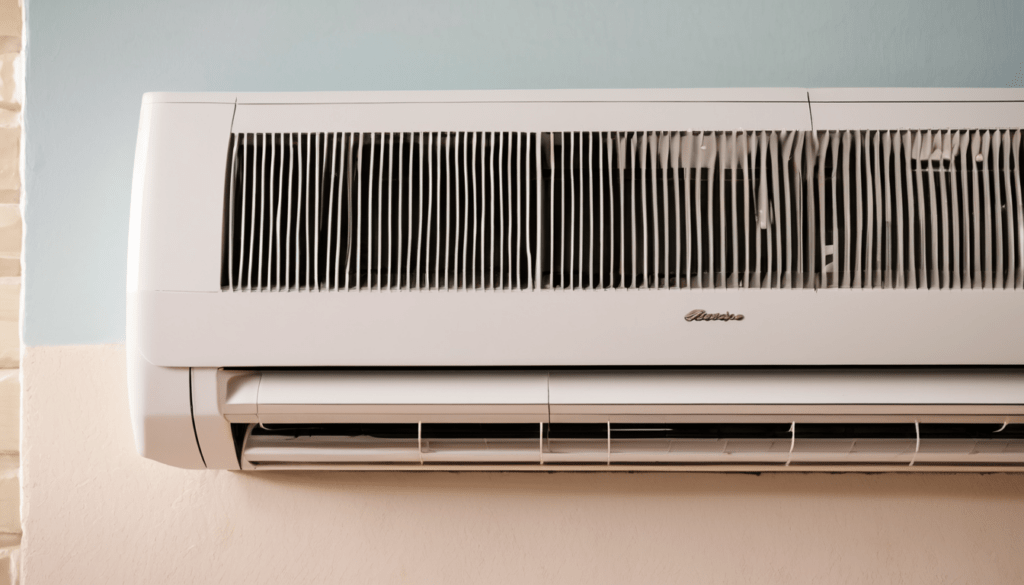
Signs Your AC unit needs cleaning now are defined as observable changes in air quality, system performance, or physical condition that indicate accumulated contamination inside the unit or ductwork. In Dubai’s climate, where air conditioning runs continuously — often twelve to sixteen hours a day — these signs appear faster than in temperate regions. Recognising them early can prevent minor contamination from becoming a costly system failure or an indoor air quality problem that affects the people inside the building.
The challenge is that most of these indicators develop gradually. There is rarely a single dramatic moment when an AC unit announces it needs attention. Instead, there is a slow drift — air that feels less fresh, rooms that take longer to cool, utility bills that inch upward without obvious cause. Left unaddressed, that drift becomes a measurable problem in the system’s microbial load, airflow efficiency, and coil condition.
What follows is a structured account of the most reliable indicators, drawn from field investigations across Dubai villas, apartment towers, hotels, and commercial spaces. Each sign points to a specific underlying issue, and understanding the connection between symptom and cause is what separates an informed decision from a reactive one.
Reduced Airflow From Vents
One of the earliest and most consistent warning signs is a noticeable reduction in the volume of air coming from supply vents. When Dubai’s fine desert dust accumulates on filters, coil surfaces, and inside ductwork, it creates physical resistance that the fan must work against. The result is less air reaching the room, even though the system is running at the same setting.
Hold your hand near a supply vent while the system is running. The airflow should feel steady and consistent. If it feels weak, intermittent, or noticeably reduced compared to previous experience, dust accumulation on the filter or coil is the most likely cause. Cleaning the filter is a first step; if the problem persists after that, the coil or ductwork is almost certainly involved.
Musty or Stale Odours When the AC Runs
A musty smell when the AC starts is one of the most commonly reported signs that a system needs professional attention. In Dubai’s high-humidity months — typically May through September — moisture accumulates on evaporator coils and inside drain pans. When that moisture is combined with accumulated dust and organic material, it creates conditions where microbial growth can take hold on internal surfaces.
The smell itself is not always dramatic. It may be described as stale, earthy, or slightly damp — the kind of subtle background note that is easy to dismiss as a “building smell.” However, that odour is an indicator of what is circulating through the system and into occupied space. A NADCA-certified duct cleaning and disinfection service is the appropriate response, not a temporary masking treatment.
Why Dubai’s Climate Accelerates This Process
Dubai’s combination of high outdoor humidity and continuous air conditioning creates a specific risk profile. The evaporator coil is constantly cycling between cold and warm states, which means moisture condenses on it repeatedly throughout the day. If the drain pan is partially blocked or the coil surface is coated in dust, that moisture has nowhere to go and nothing to protect the surface from microbial activity. This is a recurring finding in field assessments across older villas in areas such as Jumeirah and Mirdif, as well as newer apartment buildings where maintenance schedules have not kept pace with system load.
Rising Electricity Bills Without an Obvious Cause
An AC system working against accumulated contamination consumes more energy to deliver the same output. Dust on the evaporator coil acts as an insulating layer, reducing the coil’s ability to transfer heat efficiently. The compressor compensates by running longer cycles, drawing more power in the process.
If DEWA bills have increased noticeably over a billing period without a corresponding change in usage patterns — no additional occupants, no new appliances, similar outdoor temperatures — the AC system is worth investigating first. Energy consumption is a measurable proxy for system efficiency, and a system that is consuming more to deliver less is demonstrating one of the clearest signs that cleaning is overdue.
Uneven Cooling Across Rooms
When some rooms in a villa or apartment cool efficiently while others remain warm, the most common causes are duct blockages, dirty diffusers, or imbalanced airflow resulting from partial obstructions inside the ductwork. In Dubai’s residential towers, where flexible ducting is common and installation geometry is often complex, dust accumulation tends to concentrate at bends, joints, and return air grilles.
Uneven cooling is frequently attributed to the AC unit itself, leading to unnecessary repair calls or thermostat adjustments. In many cases, a professional duct inspection reveals the actual cause: a section of ductwork carrying significantly higher particulate load than the rest of the system. Addressing the ductwork resolves the symptom more effectively than adjusting the unit’s settings.
Visible Dust Around Vents and Grilles
Dust accumulation around supply and return air grilles is a visible and reliable indicator of what is happening inside the system. If the surfaces immediately surrounding the vents show consistent grey or brown dust deposits — particularly shortly after cleaning — the system is circulating more particulate matter than a clean system would.
In Dubai properties, this is often most visible on white or light-coloured walls adjacent to supply diffusers. The pattern of deposition follows the airflow direction, leaving a characteristic fan-shaped stain. While this is sometimes dismissed as a cosmetic issue, it represents a measurable change in what occupants are breathing with every hour the system runs.
AC Unit Running Continuously Without Reaching Set Temperature
A system that runs almost without stopping but never quite brings the room to the thermostat’s set point is working inefficiently. In most cases, this points to a dirty evaporator coil, a restricted filter, or a combination of both. The coil cannot extract heat from the air effectively when its surface is insulated by dust, so the system compensates by running longer — without achieving the intended outcome.
This pattern is particularly common at the start of Dubai’s summer season, when systems that have been running through a dusty spring begin the high-load period in a compromised state. Annual pre-summer AC cleaning — ideally completed before April — is the standard recommendation for Dubai properties precisely because of this cycle.
Water Leaking From the Indoor Unit
Visible water dripping from or pooling beneath an indoor AC unit is a sign that the condensate drainage system is not functioning as intended. The most common causes are a blocked drain line, an overflowing drain pan, or ice forming on the coil — all of which are typically associated with a dirty or restricted system.
A clogged drain line is often the result of accumulated dust, debris, and biological material in the pan. When the drain is partially blocked, water backs up and eventually overflows. This can cause damage to ceilings, walls, and flooring in Dubai apartments and villas, where units are frequently located in ceiling voids or utility spaces. The water leak is the visible symptom; the underlying cause is almost always a system that has not been cleaned within the recommended interval.
Allergy or Respiratory Symptoms That Improve Away From Home
Occupants who notice persistent symptoms — sneezing, nasal congestion, irritated eyes, or a dry cough — that improve when they leave the property for extended periods may be experiencing the effects of what is circulating through the AC system. This pattern is commonly observed during professional assessments when occupants report that symptoms appeared gradually over months and are most noticeable shortly after the AC activates.
It is important to note that this is a qualitative indicator, not a diagnostic one. A proper assessment of indoor air quality requires professional testing rather than symptom observation alone. Saniservice’s Indoor Sciences laboratory in Al Quoz provides in-house microbial analysis, ERMI mold profiling, and particulate assessments that can quantify what is present in the air rather than relying on self-reported experience.
Expert Observations From the Field
Across field investigations in Dubai, Abu Dhabi, and Sharjah properties, several patterns appear consistently. Systems that have not been professionally cleaned within twelve months show measurably higher particulate loads at the return air grille. Properties in areas with active construction nearby — common in Dubai’s growing residential districts — show faster filter saturation and higher duct contamination rates. And buildings where the water tank and AC system have not been maintained on aligned schedules frequently show compounding indoor air quality issues, since moisture pathways in the building affect both systems.
The minimum-effective-chemical principle that guides Saniservice’s approach means that cleaning decisions are made based on what the assessment actually reveals — not on a default assumption that chemical disinfection is always required. Mechanical cleaning, coil treatment, and drain line flushing resolve the majority of cases without the need for broad-spectrum chemical application.
Key Takeaways for Dubai Property Owners
- Reduced airflow, musty odours, and rising energy bills are the three most consistently reliable early indicators.
- Dubai’s continuous AC operation and dusty environment mean these signs can appear within six to twelve months of the last professional service.
- Water leakage from indoor units should be treated as an urgent maintenance issue, not a cosmetic one.
- Uneven cooling is rarely a thermostat or unit problem — ductwork is the more likely cause.
- Occupant symptoms that improve away from the property warrant a professional indoor air quality assessment, not just a filter change.
- Pre-summer cleaning, completed before April in Dubai, is the most practical timing for annual AC maintenance.
Frequently Asked Questions
How often should AC units be professionally cleaned in Dubai?
For most Dubai residential properties, professional AC cleaning once per year is the standard recommendation. Properties near active construction sites, high-occupancy buildings, or those with occupants who have respiratory sensitivities may benefit from more frequent service. The high dust load and continuous operation characteristic of Dubai’s climate accelerate contamination compared to temperate regions.
What does a musty smell from an AC unit indicate?
A musty or stale odour when the AC runs typically indicates microbial activity on internal surfaces — most commonly the evaporator coil, drain pan, or ductwork lining. In Dubai’s humid summer months, moisture accumulates on these surfaces and, combined with dust, creates conditions where organic matter can develop. Professional cleaning and disinfection with a Dubai Municipality-approved bio-sanitiser addresses the source rather than masking the odour.
Can a dirty AC system affect health in Dubai apartments?
A contaminated AC system circulates whatever is on its internal surfaces — dust, particulates, and biological material — into occupied space with every hour it runs. Occupants who spend significant time in poorly maintained indoor environments may notice respiratory irritation, allergy-like symptoms, or general discomfort. A professional indoor air quality assessment, including microbial sampling, is the only way to quantify what is actually present in the air.
Why is my AC running constantly but not cooling properly?
Continuous operation without reaching the set temperature is a common indicator of a dirty evaporator coil. Dust on the coil’s surface acts as an insulating layer, reducing its ability to absorb heat from the air. The compressor compensates by running longer cycles, consuming more energy without delivering the intended cooling output. Cleaning the coil typically resolves this issue without the need for refrigerant or mechanical repairs.
Is water leaking from an indoor AC unit a serious problem in Dubai villas?
Water leaking from an indoor unit should be addressed promptly, particularly in Dubai villas where units are often located in ceiling voids above finished rooms. The most common cause is a blocked condensate drain line — a direct result of accumulated debris in the drain pan. Left unaddressed, it can cause ceiling and wall damage. Professional drain line flushing as part of a routine AC cleaning service prevents this outcome.
What is the best time of year to book AC cleaning in Dubai?
Pre-summer cleaning, completed before April in Dubai, is the optimal timing. This ensures the system enters the high-load summer period in clean condition, without the efficiency penalties of a contaminated coil or restricted ductwork. Post-construction and post-renovation cleaning is also recommended for any property where building work has taken place, regardless of the time of year.
Do the signs of AC contamination differ between villas and apartments in Dubai?
The underlying indicators are consistent, but the specifics differ. Dubai villas often have larger, more complex duct systems that accumulate contamination unevenly across zones. Apartments in residential towers may share building-wide ventilation characteristics that affect individual units differently. A professional inspection scoped to the specific property type provides a more accurate picture than a generic checklist.
When to Act on What You Notice
Signs your AC unit needs cleaning now rarely arrive as a single dramatic signal. They accumulate — a slightly stale room, a bill that is a little higher, a vent that seems less forceful than it was. In Dubai’s built environment, where residents spend well over 90% of their time indoors and AC systems run for most of the year, the indoor environment is only as clean as the systems conditioning it.
The appropriate response is professional assessment followed by targeted service — not a reactive deep clean after a problem becomes impossible to ignore. NADCA-certified methodology, documented protocols, and a service approach grounded in finding the source before treating it represent the standard that protects both occupants and the long-term performance of the system.
If the signs described above are present in your property, the practical next step is to contact a certified AC cleaning provider for a property-specific assessment. Variables including system age, duct configuration, occupancy load, and recent construction activity all affect the scope of service required — and a professional assessment determines that scope accurately, rather than a fixed package applied regardless of actual condition. Understanding Signs Your AC Unit Needs Cleaning Now is key to success in this area.