How Often Should AC Ducts Be Cleaned in UAE?
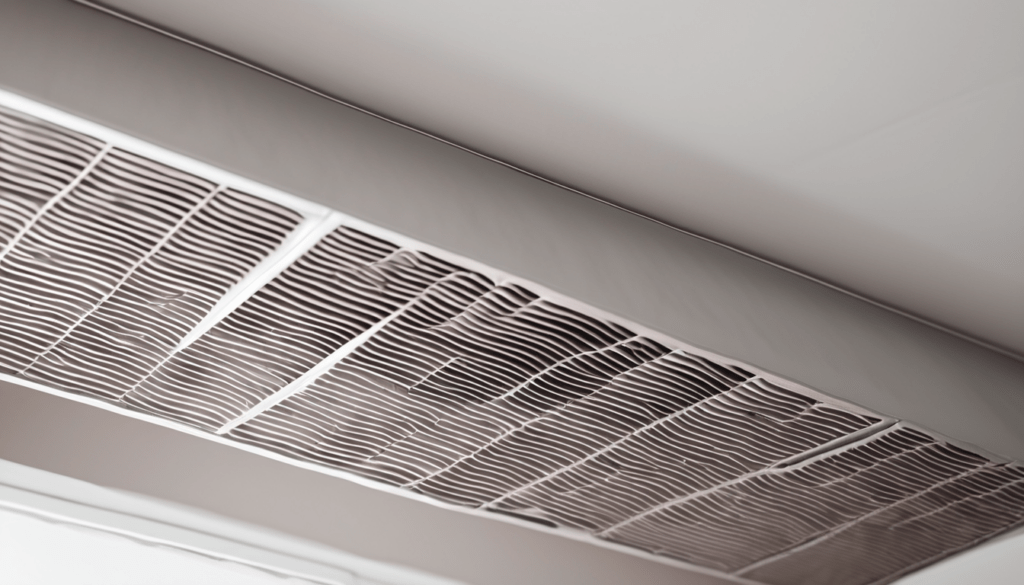
Understanding How Often Should AC Ducts Be Cleaned in UAE is essential. In the UAE, how often should AC ducts be cleaned is not a question with a single universal answer. Most residential properties benefit from a thorough duct clean every one to two years, though several factors, climate, occupancy, building age, and what a professional assessment actually finds inside the system, can bring that interval forward significantly. Understanding what drives contamination in UAE ductwork is the only honest starting point.
The UAE’s operating conditions are unlike those in temperate climates. Air conditioning runs continuously for eight to ten months of the year in most emirates. Systems cycle desert dust, humidity spikes during transitional seasons, and the biological load that accumulates inside ducts over time. These are not incidental variables. They are the reason duct cleaning frequency in Dubai or Abu Dhabi cannot be copied directly from guidance written for European or North American buildings.
What follows is a structured explanation of the factors that genuinely shape cleaning intervals, the signs that suggest a system should not wait for its scheduled service, and the professional methodology that makes a duct clean worth doing properly.
Why the UAE Climate Changes Everything
Continuous air conditioning is the defining variable. A duct system in Dubai may run for ten or more hours a day across most months, compared to seasonal use in cooler climates. The longer a system runs, the more particulate matter it draws in, the more moisture it cycles, and the faster biological material accumulates on duct surfaces.
Dubai Municipality air quality data consistently reflects elevated fine particulate concentrations, particularly during shamal winds and seasonal dust events. Those particles enter the duct system through return-air grilles and settle along internal surfaces where moisture from cooling coils creates the conditions for microbial growth. This combination, dust, moisture, and continuous operation, is the signature of UAE duct contamination and the reason annual or biennial inspection is the responsible default.
Humidity is a secondary but critical factor. Coastal cities including Dubai, Sharjah, Ajman, Umm Al Quwain, and Fujairah experience periods of elevated relative humidity, particularly between May and September. When duct insulation absorbs moisture and surfaces remain damp during shutdown periods, the window for microbial colonisation widens. Properties in these areas may need shorter cleaning intervals than inland locations such as Al Ain.
Residential Properties, What the Interval Looks Like
Villas in Dubai and Abu Dhabi
Dubai and Abu Dhabi villas typically operate large central ducted systems serving multiple zones. The duct runs are longer, the return-air surface area is greater, and the systems often serve rooms that vary significantly in occupancy. Field investigations in UAE villas commonly reveal accumulations of fine dust, debris from construction or renovation activity, and in some cases biological growth on flexible duct liner material.
For a villa with no recent renovation history, stable occupancy, and a well-maintained HVAC system, a professional duct clean every twelve to eighteen months is a defensible interval. For a villa that has undergone recent fit-out work, houses pets, or has not been serviced in over two years, professional assessment should happen before committing to any interval assumption.
Apartments and High-Rise Units
Apartment duct systems in UAE high-rise towers are typically shorter in run length but share central air handling units with other floors. Cross-contamination risk from shared systems is a genuine consideration. Tenant turnover in furnished rental apartments compounds this; each change of occupancy can introduce new biological load, particularly if the property was vacant for a period with limited air circulation.
For apartments, a thorough duct clean at each significant change of tenancy, and at minimum every twelve months in occupied properties, reflects what field evidence from UAE residential towers commonly supports.
Commercial Properties, Different Pressures, Shorter Intervals
Hotels, restaurants, clinics, schools, and office buildings in the UAE face a different contamination profile. Higher foot traffic means greater particulate load. Kitchen environments introduce grease and biological contamination into ductwork that residential systems never encounter. Healthcare settings demand IAQ standards where contamination in ductwork carries direct patient safety implications.
NADCA-aligned methodology, the standard applied by certified duct cleaning professionals, recommends that commercial systems be inspected at least annually, with cleaning intervals determined by contamination findings rather than calendar dates alone. In restaurant and hotel environments, semi-annual inspection is frequently warranted.
Factors That Bring the Interval Forward
Several conditions justify cleaning ahead of a standard interval. These are recurring findings in professional assessments across UAE properties and should prompt a duct inspection rather than a wait-and-see approach.
- Recent construction or renovation: Fit-out work generates gypsum dust, silica, adhesive particulates, and debris that enters duct systems regardless of temporary covers. Post-handover IAQ assessment and duct cleaning should be standard practice in any UAE property following significant construction activity.
- Visible mold growth at grilles or registers: Surface mold at supply or return grilles is an indicator, not a cause. The cause is typically inside the system. Professional inspection and cleaning, coordinated across HVAC and mold remediation disciplines, is the appropriate response.
- Persistent odour from supply air: A musty, dusty, or chemical odour from supply registers after filter changes suggests contamination on duct surfaces or coil components rather than a filter problem. This should not be addressed with fragrance or masking products.
- Occupants reporting respiratory symptoms: Increased respiratory irritation, allergy-like symptoms, or recurring illness in occupants that correlates with time spent indoors warrants IAQ assessment before the next scheduled duct clean.
- Pets in the property: Pet dander accumulates in duct systems and can reduce cleaning intervals from eighteen months to twelve or less, depending on the number of animals and the duct system’s design.
- System idle for more than sixty days: A ducted system left unused, in a vacant villa or a seasonally unoccupied property, can accumulate biological growth during shutdown. Inspection before restart is advisable.
What a Professional Assessment Actually Involves
A credible answer to the cleaning interval question comes from inspection, not from a standard calendar recommendation applied without seeing the system. NADCA-certified professionals use internal duct inspection, typically with camera or visual access at multiple points, to determine actual contamination levels before prescribing cleaning scope.
Saniservice specialists conducting duct assessments across UAE properties document what is present: particulate accumulation depth, any biological growth on liner surfaces, coil condition, and drain pan status. This documentation is the basis for a cleaning recommendation, not a generic interval transferred from a product brochure.
The cleaning methodology matters as well. The Swiss-developed bio-sanitiser formulations used in Saniservice’s documented protocol are selected for surface contact efficacy and low residual chemistry, consistent with the minimum-effective-chemical approach that governs all service divisions.
The Role of Filters and Coils Between Cleans
Duct cleaning does not exist in isolation. The interval between professional cleans is directly influenced by how well the rest of the HVAC system is maintained. A blocked or degraded filter bypasses particulates into the duct system. A fouled evaporator coil introduces moisture and biological load. A dirty drain pan creates a reservoir for microbial growth that eventually expresses through supply air.
UAE HVAC maintenance best practice includes filter inspection monthly during peak cooling season (May through September) and coil cleaning at minimum annually. Properties where these maintenance steps are consistently observed can reasonably expect a longer duct cleaning interval. Properties where filter changes have been irregular or coil maintenance has been deferred will typically find a shorter interval appropriate after professional inspection confirms it.
Building Age and Duct Material
Older UAE buildings, particularly those constructed before 2005, may contain flexible duct liner material that degrades over time. Fibreglass insulation on duct interiors can deteriorate, creating surface irregularities that trap particulates and resist mechanical cleaning. Galvanised steel ductwork in good condition is more cleanable and less susceptible to biological colonisation than degraded flexible duct.
For buildings over fifteen years old that have not had duct inspection as part of a planned maintenance programme, a professional assessment is worthwhile before committing to any interval. The condition of duct material, not just the surface contamination, determines what cleaning can achieve and whether replacement of sections is the more appropriate recommendation.
Practical Guidance for Property Owners and Facility Managers
The following represents the considered position drawn from field experience across UAE residential and commercial properties.
- For occupied UAE residences with no recent renovation, no visible mold, and regular filter maintenance: professional duct inspection and cleaning every twelve to eighteen months is appropriate.
- For properties post-renovation, post-handover, or following a period of vacancy: professional assessment before the next regular interval, regardless of when the last clean occurred.
- For commercial properties, hospitality, food service, healthcare, education: annual inspection as a minimum, with cleaning scope determined by contamination findings. Semi-annual inspection in high-load environments.
- For any property where occupants report symptoms or where supply air carries persistent odour: IAQ assessment alongside duct inspection, not duct cleaning alone.
The interval is a starting point. What the inspection finds determines the actual recommendation.
Frequently Asked Questions
How often should AC ducts be cleaned in UAE homes?
For most occupied UAE residences, a professional duct clean every twelve to eighteen months is the appropriate baseline. This interval can shorten depending on renovation history, pet occupancy, visible contamination, or occupant health concerns. A professional inspection determines the actual scope rather than a fixed calendar date.
Does Dubai’s climate mean ducts get dirty faster than in Europe?
Yes. Continuous air conditioning operation, elevated fine particulate concentrations from desert dust events, and coastal humidity combine to accelerate contamination in UAE duct systems compared to temperate climates where systems run seasonally. This is why European cleaning intervals should not be applied directly to Dubai or Abu Dhabi properties.
What signs indicate a Dubai property’s ducts need cleaning sooner?
Key indicators include visible dust or debris at supply registers, a persistent musty or dusty odour from the supply air, visible mold at grille surfaces, recent renovation or construction in the property, irregular filter maintenance, or occupants reporting increased respiratory irritation when indoors. Any of these warrants professional inspection ahead of the standard interval.
For residential properties, there is no single mandated frequency, but regulatory expectations for commercial operators make annual inspection the practical compliance standard in regulated sectors. Professional documentation of cleaning is increasingly expected across commercial categories.
Does duct cleaning include the AC coil and drain pan?
A thorough professional duct clean should assess and address the full air path: duct surfaces, coil condition, and drain pan status. Contamination in any one component affects the others. Saniservice assessments cover the complete air handling system rather than duct surfaces in isolation, because each component’s condition influences cleaning interval and scope.
How long does an AC duct clean take in a typical UAE villa?
Duration depends on the duct system’s size, complexity, and contamination level. A typical UAE villa with a central ducted system across two to three zones commonly requires a half-day to full-day service for a thorough clean following NADCA-aligned methodology. Properties requiring additional biological treatment or coil work will require additional time on site.
Can I delay duct cleaning if I change filters regularly?
Regular filter maintenance is important and does reduce particulate load reaching duct surfaces. However, it does not eliminate accumulation on duct walls, coil surfaces, or drain pans over time. In UAE conditions, filter maintenance extends the cleaning interval but does not replace professional duct inspection and cleaning. Both are part of a complete HVAC maintenance programme.