How Does Mold Grow Inside AC Units in the UAE?
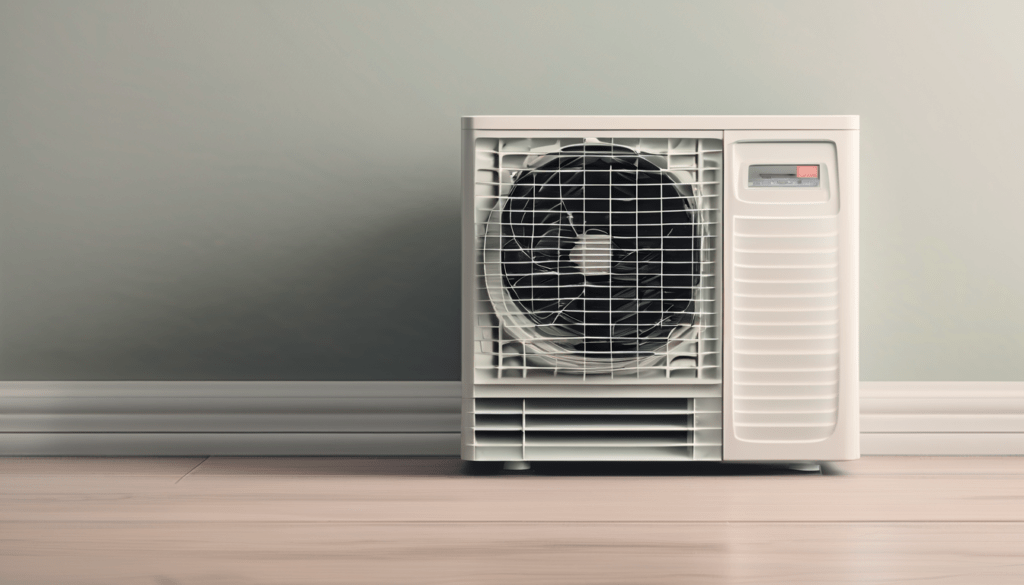
Mold inside an AC unit is not an accident. It is the predictable result of three conditions converging in one enclosed space: moisture, organic debris, and warm stagnant air. Understanding How Mold Grows inside AC units in the UAE requires looking at all three simultaneously, because removing only one of them rarely resolves the problem. In a climate where air conditioning runs continuously for eight to ten months of the year, the internal environment of an AC unit becomes one of the most biologically active spaces in any building.
What makes the UAE context distinctive is not simply humidity. It is the combination of high ambient humidity during certain seasons, fine desert dust loading the air intake, and the thermal cycling that occurs every time a unit switches on and off. Each cycle creates a brief window of condensation on evaporator coils — and that condensation, mixed with the organic particles carried by recirculated air, provides everything mold spores need to colonise a surface.
This article covers the mechanics of that process in detail: where mold establishes itself first, which building and system variables accelerate growth, and how a professional assessment determines the scope of remediation required.
Why UAE Conditions Create Ideal Mold Conditions
The UAE’s climate is not uniformly humid. Coastal areas — Dubai Marina, Abu Dhabi’s Corniche, Sharjah’s waterfront districts — experience sustained relative humidity levels that frequently exceed 70% between June and September. Inland areas such as Al Ain or Ras Al Khaimah’s interior valleys have lower humidity for much of the year but experience sharp overnight drops in temperature that trigger condensation events inside ducted systems.
What both environments share is the consequence of continuous mechanical cooling. When an AC system runs for extended periods, the evaporator coil surfaces maintain temperatures well below ambient dew point. Moisture from the air condenses on those surfaces constantly. The drain pan downstream of the coil is designed to remove that condensate, but partial blockages — caused by dust accumulation, algae buildup, or debris — allow standing water to persist. Standing water in a warm, enclosed space is the primary incubator for mold in any AC system.
Additionally, the UAE’s fine desert particulate — PM2.5 and PM10 dust from construction sites and open desert — carries organic material including fungal spores, bacteria, and decomposed plant matter. Standard AC filters capture a portion of this loading, but filter maintenance intervals in many residential and commercial buildings are extended beyond manufacturer recommendations, allowing saturated filters to become a nutrient source in themselves.
Where Mold First Establishes Itself in an AC System
The Evaporator Coil Surface
The evaporator coil is the most common primary colonisation point. Its corrugated aluminium fins present a high surface-area environment that stays wet throughout operating cycles. When dust and organic debris accumulate in the microscopic gaps between fins, the combination of moisture and nutrient material allows mold to establish a biofilm within days under favourable temperatures.
Once a biofilm is established on coil surfaces, it is not visible as a classic fuzzy growth. It presents as a grey-black smear or a slick coating that reduces heat exchange efficiency — which is why reduced cooling performance is often the first measurable sign of mold presence, even before any odour becomes apparent.
The Drain Pan and Drain Line
The condensate drain pan sits directly below the evaporator coil and collects the moisture that drips off the fins. In a well-maintained system, this pan drains continuously. In practice, field investigations frequently identify partial or complete drain line blockages caused by algae, mold growth within the drain pipe itself, or debris from the building’s ceiling void.
Standing water in a drain pan at 25–28°C is a near-perfect mold incubator. The species most commonly identified in this location include Aspergillus, Cladosporium, and Penicillium — all of which are capable of releasing spores into the airstream that the blower fan then distributes throughout the property.
Duct Surfaces and Flexible Ductwork
Mold that originates at the coil or drain pan does not remain there. The same airstream that delivers cooling to occupied spaces also carries spores from a contaminated coil downstream into ductwork. Flexible duct sections — which are standard in most UAE residential and mid-rise construction — have an internal lining that is more porous than rigid sheet metal, and once mold establishes on that lining, mechanical removal becomes significantly more involved.
Duct mold in UAE buildings is frequently observed at supply diffusers, where the temperature differential between cold air and warm ambient air creates a localised condensation zone on the duct surface just upstream of the grille. Discolouration around ceiling grilles is one of the most visible signs of this process — and it is commonly misidentified as dust rather than mold growth.
The Role of Occupancy Patterns and Building Age
Occupancy patterns significantly affect how mold grows inside AC units in the UAE. Properties that are vacant for extended periods — a common scenario in the UAE’s investment property and short-term rental markets — are particularly vulnerable. When a unit is vacant and air conditioning is switched off or set to minimal operation, humidity rises unchecked inside the building envelope. Spores settle on every surface including coil fins and duct linings. When the system restarts, it draws those settled spores into recirculation immediately.
Building age is an equally significant variable. Systems installed more than five years ago without documented coil cleaning or drain pan servicing carry a substantially higher mold load than regularly maintained systems. Original installations in some older UAE residential towers used duct materials and sealant compounds that degrade over time, creating cavities and surface irregularities where moisture accumulates and mold persists despite surface-level cleaning.
High-occupancy properties — labour accommodations, serviced apartments, hotel guestrooms — introduce a compounding variable: higher CO₂ levels, elevated moisture from cooking and bathing, and reduced ventilation effectiveness per occupant. All three elevate the likelihood of mold establishing inside AC systems faster and more extensively than in standard residential settings.
How Mold Spreads Once Established
Once mold colonises the coil or drain pan, the blower fan becomes the distribution mechanism. Every operating cycle circulates spores from the contaminated component through the duct network and into occupied rooms. This is why mold in AC units rarely presents as a single-room problem — occupants in multiple rooms of the same property often report symptoms simultaneously without connecting them to the AC system.
The spore load distributed by a contaminated AC unit accumulates on soft furnishings, bedding, carpets, and porous surfaces throughout the property. In high-humidity conditions, those secondary deposits can themselves become colonisation points if sufficient moisture is present. This is the mechanism by which an AC mold problem becomes a whole-property mold problem over time — the system that was supposed to control the indoor environment becomes the primary vector of contamination.
Variables That Affect Remediation Scope
A professional assessment determines scope because no two contamination situations are identical. The variables that affect what remediation involves — and therefore what is quoted — include the following.
- System type: Cassette units, ducted split systems, fan coil units, and central AHUs each require different access and cleaning methodology. A single-room split unit and a 20-zone ducted system in a villa represent entirely different scopes.
- Contamination depth: Surface mold on accessible coil fins is a different scope from mold that has penetrated flexible duct lining or established behind duct insulation.
- Property size and number of units: A studio apartment and a five-bedroom villa with a separate majlis and guest wing have fundamentally different surface areas, duct runs, and access points.
- Building age and original specification: Older installations may require drain pan replacement, duct lining replacement, or sealant reapplication that newer systems do not.
- Concurrent water damage: Mold inside an AC unit that has been caused or worsened by a water leak — from a blocked drain or a failed condensate line — requires addressing the leak source as part of the remediation scope, not separately from it.
- Certification and documentation requirements: Commercial properties, schools, clinics, and hotel properties typically require documented post-remediation verification. This adds a structured clearance protocol to the scope that residential jobs may not require.
Factors that affect quoted scope are assessed during a site visit, not estimated remotely. Requesting a property-specific assessment — rather than accepting a generic package price — is the only way to ensure that the remediation specified is proportionate to the actual contamination present.
Chemical Versus Non-Chemical Remediation
A significant question in any mold remediation engagement is whether chemical treatment is necessary. At 800-MOLDS, the Saniservice mold remediation division certified by both IICRC and IAC2, non-chemical remediation is offered as a standard option where the contamination level and surface type support it. This reflects the minimum-effective-chemical principle that governs all Saniservice divisions: identify the contamination first, choose mechanical or biological intervention where evidence supports it, and apply chemistry only where it is the most effective available response.
For AC mold specifically, mechanical cleaning — HEPA-vacuuming, coil brushing, drain pan scrubbing, and duct sanitisation using electrostatic application of Dubai Municipality-approved bio sanitisers — addresses the vast majority of residential contamination scenarios without broad-spectrum chemical application inside the air path.
Where chemical treatment is warranted — typically in severe colonisation cases, healthcare facilities, or post-flood scenarios — every chemistry used is documented at the concentration applied, and the rationale is explained to the client before application begins. Transparency in chemistry is not a courtesy; it is a standard.
Inspection Frequency as a Prevention Strategy
The most cost-effective approach to AC mold in the UAE is not remediation — it is prevention through scheduled inspection. Field investigations consistently identify mold at an early, contained stage in properties that undergo annual AC system inspections, whereas properties with no inspection history present with significantly advanced contamination requiring more extensive intervention.
The recommended inspection frequency varies by property type. High-occupancy or high-humidity properties — coastal villas, ground-floor apartments, properties with known drainage history, hotel guestrooms, and nursery classrooms — benefit from semi-annual inspection of coils, drain pans, and duct surfaces. Standard residential properties in well-maintained buildings are typically assessed annually, ideally before the summer operating season begins in late April or early May.
An inspection is not a cleaning. It is a documented assessment of what is present, where it is located, and what intervention — if any — is warranted. The output should be a written report, not a verbal reassurance.
Key Takeaways for Property Owners and Facility Managers
- Mold in AC units develops through a predictable process involving condensation, organic debris, and warm stagnant air — all three conditions are present in UAE AC systems during normal operation.
- The evaporator coil, drain pan, and flexible ductwork are the primary colonisation points; visible discolouration around ceiling grilles is a commonly observed early sign.
- Vacant properties and older systems without documented maintenance history carry a disproportionately elevated mold risk.
- Remediation scope is determined per property after a professional assessment — contact Saniservice or 800-MOLDS for a site visit and a property-specific quote.
- Non-chemical remediation is available and appropriate for the majority of residential scenarios when contamination is identified early.
- Scheduled inspection is more cost-effective than reactive remediation; the appropriate frequency depends on building type, occupancy, and history.
Frequently Asked Questions
How does mold start growing inside an AC unit?
Mold begins when moisture from condensation accumulates on the evaporator coil or drain pan and combines with organic particles — dust, skin cells, pollen — carried by recirculated air. This creates a nutrient-rich, wet surface at a temperature favourable to fungal growth. In UAE conditions, this process can establish a visible biofilm within days if the drain pan is not clearing correctly.
Is AC mold common in Dubai apartments?
Yes. Field investigations by Saniservice specialists regularly identify mold at various stages in Dubai apartments, particularly in older buildings, coastal-facing units with high ambient humidity, and properties where AC maintenance has not been performed on a documented schedule. Ground-floor units and those with north-facing evaporator coils exposed to limited airflow are commonly observed to present earlier colonisation.
What are the first signs that an AC unit has mold?
The earliest signs are typically a musty odour when the unit first switches on, reduced cooling efficiency despite the unit running normally, and discolouration — usually grey or black — around ceiling supply diffusers. These signs frequently appear before any occupant-level health symptoms, making them useful early indicators that warrant a professional assessment.
Can you clean AC mold without chemicals?
In most residential scenarios where contamination is identified early, mechanical cleaning — HEPA vacuuming, coil brushing, drain pan scrubbing — combined with electrostatic application of a Dubai Municipality-approved bio sanitiser addresses the issue without broad-spectrum chemical application. 800-MOLDS, the Saniservice mold remediation division, offers non-chemical remediation as a standard option where the contamination level and surface type support it.
How often should AC units in UAE villas be inspected for mold?
For most UAE villas, annual inspection before the summer season — ideally before the end of April — is the minimum recommended frequency. Coastal villas, properties with a history of drainage problems, or large ducted systems serving five or more rooms benefit from semi-annual inspection. A professional assessment determines whether the current condition warrants cleaning, monitoring, or no intervention.
Does leaving an AC off while a property is vacant increase mold risk?
Yes. When a UAE property is vacant and air conditioning is switched off or minimised, indoor relative humidity rises significantly. Airborne spores settle on coil fins, drain pans, and duct surfaces. When the system restarts, it immediately recirculates those settled spores. Properties returning from extended vacancy — particularly during or after the summer season — should be inspected before regular occupation resumes.
What does a professional AC mold assessment cover?
A thorough assessment covers visual inspection of the evaporator coil, drain pan condition, drain line flow, blower fan surfaces, accessible duct sections, and supply diffusers. It should produce a written report identifying contamination location, estimated extent, and recommended intervention. Scope — and therefore quoted cost — is determined from this assessment, not from a generic package price applied before inspection.
Understanding how mold grows inside AC units in the UAE is the starting point for every effective remediation or prevention strategy. The physics of the process are consistent; the variables that determine severity are specific to each property. A professional site assessment is the only reliable way to understand what is present, what caused it, and what will resolve it — permanently rather than temporarily. Contact Saniservice or 800-MOLDS to arrange a property-specific inspection at a time that suits your schedule.