What Causes a Clogged Condensate Drain in a Dubai AC?
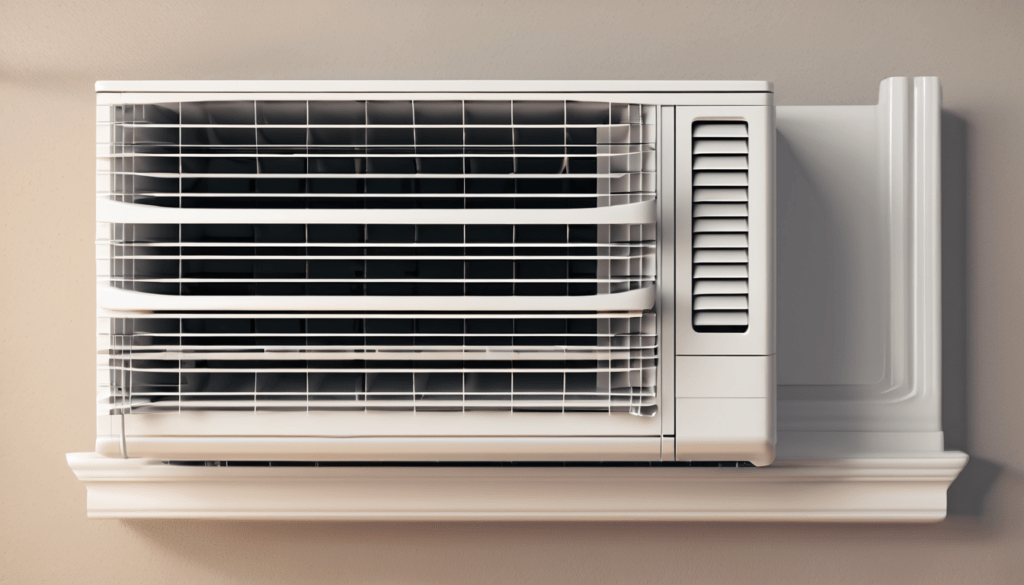
What Causes a clogged condensate drain in an AC unit is not always obvious from the outside. Water dripping from an indoor unit, a wet ceiling panel, or a saturated drain pan are the visible symptoms — but the actual blockage often begins weeks or months earlier, in conditions specific to how UAE buildings are used and how their air conditioning systems are maintained. In Dubai’s climate, where AC systems run continuously for the better part of the year, condensate drainage is under more pressure than in almost any comparable built environment globally.
Understanding the underlying causes — rather than simply clearing the immediate blockage — is what separates a lasting fix from a repeat service call three months later. Each cause has a different remediation pathway, and several of them interact. A dust-laden air stream, a system that hasn’t been serviced since handover, and an undersized drain line can compound one another into a blockage that bypasses the drain pan and causes real structural damage.
This article examines each cause in depth, explains how Dubai’s operating conditions amplify the risks, and outlines the variables that determine the scope of professional assessment and remediation.
How Condensate Drainage Works
When warm, humid air passes over an AC evaporator coil — which is cold — moisture condenses on the coil surface and drips into a collection pan directly below it. That pan empties through a condensate drain line, typically a PVC pipe routed to a floor drain, external wall, or building drainage system.
In a properly functioning system, this process is invisible. The pan stays dry between cycles. The drain line flows freely. In Dubai, however, the volume of condensate produced is significantly higher than in cooler climates. Outdoor humidity levels regularly exceed 80% during summer months, meaning the system extracts a substantial volume of water from the indoor air every hour it operates.
That continuous high-volume flow creates the conditions for blockage. Anything slowing or interrupting drainage — biological growth, debris, installation issues — accumulates faster and causes overflow sooner than it would in a system running at lower capacity.
Biological Growth Inside the Drain Line
The single most common cause of condensate drain blockage is microbial growth — specifically algae and biofilm — forming inside the drain pipe and pan. The condensate drain environment is ideal for microbial colonisation: dark, perpetually moist, and fed by organic particulates carried in the airstream.
Algae accumulation
Algae grows as a slimy, gelatinous mass that can progressively narrow and eventually seal a drain line. In Dubai’s AC systems, which run without extended off-periods for months at a time, algae colonies are rarely interrupted by drying cycles that would naturally suppress growth in temperate climates. A partially blocked line slows drainage velocity, which in turn accelerates further accumulation.
Biofilm and microbial mats
Beyond algae, bacterial biofilm forms on the interior surfaces of PVC drain lines and on drain pan surfaces. As the biofilm thickens, it catches dust and particulate matter, forming a composite plug. Biofilm-associated blockages are commonly observed during professional assessment in systems that have not been cleaned for more than twelve months — which, in the UAE, describes a significant proportion of residential units.
Dust and Particulate Accumulation
Dubai’s outdoor air carries fine desert dust year-round, with concentrations peaking during shamal wind events and summer months. Even with a functioning air filter, fine particulates enter the evaporator section and settle on coil fins and drain pan surfaces. Over time, this dust mixes with condensate moisture and forms a sediment layer.
When sediment in the drain pan becomes thick enough, it enters the drain line at every drain cycle, progressively narrowing the pipe bore. If the air filter has been neglected — a recurring finding in residential properties across Dubai, Sharjah, and Abu Dhabi — the dust load entering the system is substantially higher. Properties in older buildings with single-skin façades, or those near construction activity, carry additional particulate risk.
Dust accumulation on the evaporator coil itself also matters. A coated coil reduces heat transfer efficiency, which can cause the coil to operate at lower surface temperatures and produce more condensate than the drain system was originally sized to handle.
Drain Pan Condition and Overflow Risk
The drain pan is designed as a temporary collection point, not a reservoir. If the drain line is partially blocked, water in the pan rises rather than draining cleanly. A pan that sits with standing water becomes a secondary growth site for algae and bacteria, accelerating the same microbial processes described above.
In older AC units — particularly those in Dubai villas and apartment buildings that have not undergone AC replacement since original handover — drain pans may show cracking, corrosion, or warping. A compromised pan can develop leaks at its edges before the drain line is fully blocked. This is frequently misidentified as a refrigerant leak or structural water ingress when the actual source is a slow pan overflow.
The age and material of the pan, its installation angle, and the position of the float switch (where fitted) are all variables a professional assessment will examine before attributing cause.
Installation and Drainage Design Issues
Not all condensate drain blockages originate from biological or particulate causes. A proportion are structural — the result of drainage lines that were incorrectly installed or have shifted over time.
Incorrect pipe gradient
Condensate drain lines rely on gravity. A correctly installed line falls at a consistent gradient toward the discharge point. In practice, drain lines in UAE buildings are sometimes installed with insufficient fall, with sagging sections, or with horizontal runs that exceed recommended lengths without adequate slope. Water that moves slowly through a drain line deposits sediment faster, and standing water in a low point is a near-certain algae growth site.
Air locks and venting failures
Condensate lines that lack proper venting can develop air locks, preventing water from draining even when the pipe bore is physically clear. This is a less common cause but is observed in certain multi-storey buildings where drain lines share vertical risers or where plumbing design has been modified post-handover. It is typically identified during a drain flow test rather than visual inspection alone.
Evaporator Coil Icing
A frozen evaporator coil is a separate AC fault condition, but it produces a condensate drainage problem when the ice melts. When a coil freezes — due to low refrigerant charge, restricted airflow, or a dirty filter — and then defrosts, it releases a rapid surge of meltwater that can overwhelm both the drain pan and a partially obstructed drain line simultaneously.
The result is sudden indoor water overflow that appears to be a catastrophic drain failure. In reality, the condensate system may have been managing a partial blockage for weeks; the coil icing event simply exceeded its residual capacity. Addressing only the drain line without investigating why the coil iced leaves the root cause unresolved.
How Dubai’s Climate Amplifies Every Risk Factor
Dubai’s operating environment accelerates condensate drain problems in ways that do not apply to temperate climates. AC systems here run continuously from May through September, and in many residential properties, year-round. There is no seasonal shutdown period that would naturally slow biological growth or allow drain components to dry and reset.
Outdoor humidity in summer regularly creates conditions where an indoor unit producing 15–20 litres of condensate per day is not unusual for a larger residential system. That volume, flowing through a partially narrowed drain line continuously, converts a minor restriction into a full blockage far faster than intermittent operation would allow.
Additionally, fine desert particulates suspended in outdoor air infiltrate even well-maintained filtration systems during periods of high dust load, contributing consistently to sediment accumulation in the drain pan. Properties across Sharjah’s industrial belt, areas of Ajman adjacent to construction zones, and older residential buildings in Deira and Bur Dubai face elevated particulate exposure compared to newer, better-sealed developments in Dubai Marina or Downtown Dubai.
What a Professional Assessment Examines
Understanding what causes a clogged condensate drain in an AC unit in any specific property requires more than visual inspection of the drain line. A thorough assessment examines the full condensate pathway: evaporator coil condition, drain pan integrity, drain line gradient and length, discharge point condition, and airflow across the coil.
Variables that affect quoted scope for professional remediation include the type of AC system (split, ducted, cassette, chilled water), the number of indoor units, the last service date and service history, the accessibility of drain lines, and the degree of biological or particulate contamination found during inspection. Properties with no documented service history since handover typically require more comprehensive intervention than those on a regular annual maintenance schedule.
Saniservice specialists assess all of these variables before confirming the remediation approach. A professional assessment determines scope — request a site visit for an accurate, property-specific quote rather than a generic package price, which cannot account for the condition variables unique to your unit and installation.
Practical Steps Before a Professional Visit
While a professional service is the appropriate response to an active blockage or water overflow, property owners can take several preparatory steps. Switching the AC to fan-only mode stops the system producing additional condensate while the fault is investigated. Placing an absorbent mat or towels below a dripping unit limits water damage to flooring and cabinetry.
Do not attempt to clear a drain line with high-pressure air or improvised tools without understanding the pipe routing. Incorrectly applied pressure can dislodge joints or force debris deeper into the line. Note whether the overflow is constant or intermittent — constant overflow suggests a full blockage or pan integrity issue, while intermittent overflow can indicate a partial restriction exacerbated by high condensate production during the hottest parts of the day.
Documenting when the problem started and whether a recent service has been performed gives the attending technician useful diagnostic context. If visible mould growth is present on or near the drain pan, mention this when booking — the remediation scope changes when microbial contamination has spread beyond the drain line itself.
Key Takeaways for UAE Property Owners
- Biological growth — algae and biofilm — is the most frequently identified cause of condensate drain blockage in UAE AC systems.
- Fine desert dust combines with condensate moisture to form sediment that progressively narrows drain pipes.
- Incorrect installation gradient and venting issues can cause blockages independent of contamination.
- Dubai’s continuous AC operation accelerates every blockage mechanism compared to temperate climates.
- A frozen coil that subsequently defrosts can trigger sudden overflow in a system that has been managing a partial blockage for weeks.
- Professional assessment examines the full condensate pathway — not the drain line in isolation.
- Annual maintenance aligned with pre-summer season (ideally completed before May) is the most effective preventive measure available to UAE property owners.
Frequently Asked Questions
How do I know if my AC has a blocked condensate drain?
Common signs include water dripping from the indoor unit, a wet ceiling panel beneath a concealed unit, water pooling around the base of a split unit, or a musty smell coming from the air vents. A float switch, where fitted, may shut the system down before overflow occurs — if your AC stops cooling without an obvious fault, a triggered float switch is worth investigating.
How often should condensate drain lines be serviced in Dubai?
Industry practice and field observation both point toward annual servicing as a minimum for Dubai properties, with pre-summer cleaning — completed before May — being the most critical interval. Properties with older AC systems, high occupancy, or documented dust exposure benefit from more frequent inspection. Some commercial operators and hospitality facilities schedule condensate drain checks quarterly given the volume of continuous operation.
Is a blocked condensate drain covered by a standard AC maintenance contract?
This varies by contract type and provider. Some standard maintenance contracts include condensate drain flushing as a line item; others treat it as an additional service. Reviewing the scope of works in your maintenance agreement is advisable. If condensate drainage is not explicitly listed, clarify with your service provider before assuming it is included.
Can a blocked condensate drain cause mould growth in a Dubai home?
Yes. When condensate overflows the drain pan and reaches wall cavities, ceiling materials, or flooring substrates, the moisture creates conditions that support mould colonisation. Dubai’s indoor humidity levels — particularly in rooms with restricted airflow — mean that damp building materials can develop visible mould growth within days of a significant overflow event. If water has reached concealed spaces, a separate mould assessment is warranted alongside the AC repair.
What is biofilm and why does it block AC drain lines?
Biofilm is a structured community of microorganisms — primarily bacteria — that adheres to surfaces in moist environments and secretes a protective matrix. Inside AC condensate drain lines, biofilm develops on PVC surfaces and thickens over time, catching dust and particulate matter. The resulting mass progressively narrows the pipe bore until water can no longer drain freely. Biofilm is resistant to flushing with plain water and typically requires a chemical or biological treatment to fully break down.
Does the type of AC unit affect the risk of condensate drain blockage in Dubai?
Yes. Cassette units installed in ceilings are more susceptible to overflow damage when drains block because any overflow reaches the ceiling cavity directly. Ducted systems with long drain line runs have more opportunity for gradient errors and low points where sediment accumulates. Split wall units are generally easier to inspect and service. The specific risk profile depends on system type, installation quality, and service history — all factors a professional assessment considers.
What variables affect the cost of clearing a blocked condensate drain?
Professional assessment determines scope. Variables that affect quoted scope include the AC system type and number of units, accessibility of the drain line, degree of biological or particulate contamination, whether the drain pan requires replacement or repair, and whether mould remediation is needed beyond the drain system itself. Request a site visit for an accurate, property-specific assessment rather than relying on a generic package figure.
Knowing what causes a clogged condensate drain in an AC unit is the first step toward preventing one. In the UAE’s built environment — where AC systems carry an unusually heavy operational load year-round — the condensate drainage system deserves the same planned maintenance attention as the filters, coils, and refrigerant charge. A blocked drain discovered in July is rarely a sudden failure; it is almost always the endpoint of a process that began during the quieter months. Addressing the system before that process completes is the most cost-effective, least disruptive path available.