Bed Bug Treatment Guide
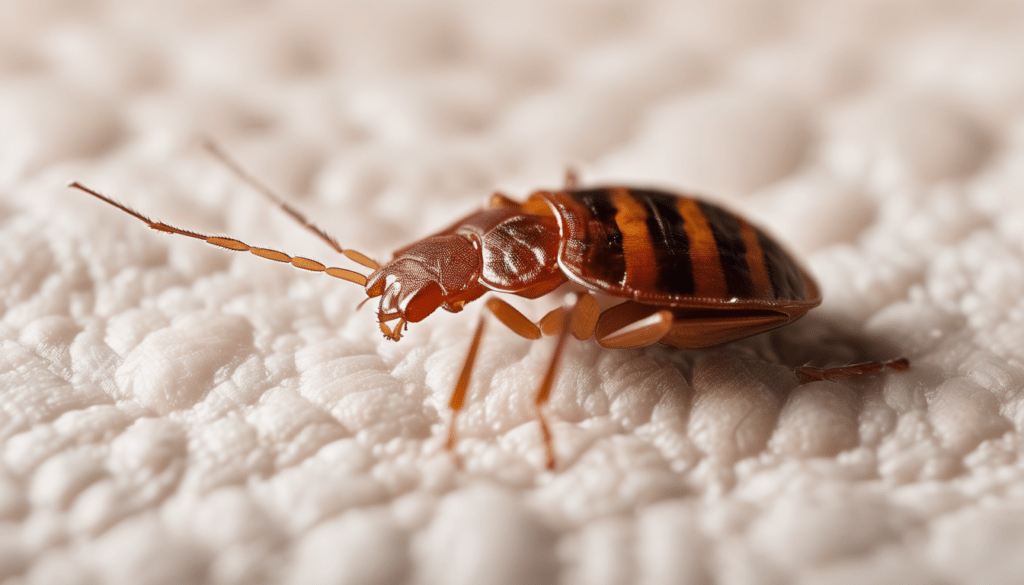
Understanding Bed Bug Treatment: What the Process Actually Involves is essential. Bed bug treatment is a multi-stage professional process that involves inspection, occupant preparation, targeted heat or chemical application, and structured follow-up, not a single visit with a spray canister. Understanding what the process actually involves helps homeowners in Dubai, Abu Dhabi, Al Ain, and across the UAE ask the right questions before they accept any service proposal. Done properly, each stage has a defined purpose. Done poorly, bed bugs survive, reproduce, and return.
Bed bugs are among the most resilient urban pests encountered in UAE properties. They survive inside mattress seams, behind skirting boards, within electrical socket casings, and deep inside upholstered furniture. They do not respond to surface-level disinfection. They require a methodical, evidence-based treatment protocol that addresses both visible populations and harbourage zones that are easy to miss without thermal imaging or a trained inspection eye.
The numbered stages below reflect how a professional bed bug treatment is structured when it is executed to a documented standard. Each stage builds on the one before it. Skipping any step is the most common reason infestations persist after treatment.
Stage 1: The Initial Inspection
Every properly conducted bed bug treatment begins with a thorough inspection before any product is selected or applied. Saniservice specialists conduct room-by-room assessments that cover mattress seams, bed frames, headboards, skirting boards, carpet edges, and wall fixtures. The inspection is not a formality. It determines the extent of the infestation, identifies all harbourage zones, and informs the treatment method chosen.
In UAE villas and apartments, bed bugs commonly spread from shared laundry facilities, luggage from international travel, and second-hand furniture. Al Ain properties, particularly multi-room villas with labour accommodation, present a higher risk of multi-room infestations that are not apparent without a systematic inspection. An inspection report should document exactly where live insects, shed skins, or faecal spotting were found.
Stage 2: Occupant Preparation Requirements
Preparation is the homeowner’s contribution to treatment success. A professional service will issue a written preparation checklist before the visit. This typically includes laundering all bedding, pillowcases, and curtains at a minimum of 60°C, clearing clutter from floors and under beds, vacuuming the mattress surface, and bagging personal items that cannot be treated. Failure to prepare correctly is one of the most common reasons bed bug populations survive the initial treatment and re-establish.
In UAE households with live-in domestic staff or shared accommodation, preparation must cover every sleeping area, not just the primary bedroom. A missed room or untreated mattress becomes the repopulation source. Written preparation guidance protects both the occupant and the technician by establishing shared accountability for the outcome.
Stage 3: Identification of the Treatment Method
Not every bed bug infestation requires the same approach. The treatment method should be selected after inspection, not before. There are three primary professional methods used in UAE properties.
Heat Treatment
Thermal remediation raises the ambient temperature of an affected room to above 50°C, sustained for a defined period. This approach penetrates deep harbourage zones that chemical treatments cannot reach. It is particularly effective in furnished bedrooms where dismantling furniture is impractical. No chemical residue is left behind, which makes it suitable for properties with young children or occupants with chemical sensitivities.
Chemical Treatment
Residual insecticide application uses Dubai Municipality-approved formulations applied in a targeted pattern across harbourage zones: mattress seams, bed frames, skirting boards, and furniture joints. The residual chemistry continues to act on bed bugs that emerge after the treatment visit. Multiple visits are typically required because chemical treatments do not penetrate eggs effectively, necessitating a follow-up application timed to the egg hatching cycle.
Combined Protocol
Severe or multi-room infestations often require a combined heat-and-chemical protocol. Heat addresses the immediate population and deep harbourage zones. Chemical residuals manage any survivors that emerge over the following weeks. Saniservice’s minimum-effective-chemical philosophy means the chemistry is targeted, disclosed, and applied at documented concentrations, not used as a blanket substitute for a thorough inspection.
Stage 4: Room Preparation by the Technician
Before treatment begins, the attending technician prepares the space according to the chosen method. For chemical treatment, this involves moving furniture away from walls to expose skirting boards, removing mattress protectors, and identifying any items that need to be removed or bagged. For heat treatment, it involves sealing the room envelope, removing heat-sensitive items such as aerosols and certain electronics, and positioning heat distribution equipment for uniform coverage.
This stage is where the difference between a professional service and an unstructured visit becomes visible. A technician who skips room preparation and simply applies product to accessible surfaces will achieve a fraction of the treatment efficacy of one who follows a documented protocol.
Stage 5: Targeted Application or Heat Deployment
The treatment itself is the stage most occupants associate with the entire process, but it is only one of eight or more steps. For chemical application, the technician uses application equipment suited to the treatment area, applying residual insecticide to all identified harbourage zones, with particular attention to seams, crevices, and hidden surfaces. The application time for a thorough single-room chemical treatment is typically 45 to 90 minutes, not the 10 to 15 minutes often seen in under-resourced service calls.
For heat treatment, the room temperature is raised progressively and maintained at the lethal threshold for the defined dwell time, which is typically between two and four hours depending on room volume and furniture density. A technician monitors temperature probes placed in the coldest zones of the room to confirm that the lethal threshold has been reached throughout, not just at the surface level.
Stage 6: Post-Treatment Documentation
A professional bed bug treatment generates a service report. This document records the rooms treated, the method used, the products applied (including active ingredients and concentrations for chemical treatments), the application date, and the follow-up schedule. This documentation is the occupant’s record of what was done and the technical basis for the follow-up visit.
In UAE rental properties and hotel accommodation, post-treatment documentation also supports compliance records for Dubai Municipality inspections. Properties that cannot produce service documentation face a higher administrative and reputational risk if a complaint is raised by an occupant or a municipality inspector.
Stage 7: Follow-Up Visit and Efficacy Assessment
A single treatment visit, regardless of method, should always be followed by a scheduled assessment. The follow-up visit typically occurs 10 to 14 days after the initial treatment. This timing is deliberate: it aligns with the bed bug egg hatching cycle, ensuring that newly emerged nymphs are identified and treated before they mature and reproduce. A follow-up visit without an efficacy assessment, meaning a genuine inspection for signs of surviving population activity, is not a follow-up. It is a second application without evidence of need.
Read more: How Do Desert Pests Behave Differently in Inland UAE?
If the follow-up inspection identifies continued activity, the treatment protocol is adjusted. This may mean a second chemical application, a targeted heat top-up, or an inspection for a repopulation source that was not identified in the initial assessment, such as a shared wall cavity in an apartment building.
Stage 8: Long-Term Prevention Guidance
The final stage of bed bug treatment is advice, not application. A professional technician should leave the occupant with documented guidance on preventing re-infestation. This includes mattress encasement recommendations, luggage management protocols for frequent travellers, guidance on inspecting second-hand furniture before it enters the property, and specific advice for UAE conditions such as shared laundry facilities in apartment towers.
In Al Ain villas with external worker accommodation, prevention guidance should also address the accommodation block specifically, since infestations frequently transfer between sleeping quarters through shared linen or personal belongings. A technician who leaves without providing this guidance has completed a transaction, not a service.
Key Takeaways for UAE Property Owners
- Request a written inspection report before any treatment begins. If a provider cannot produce one, that tells you something important about the depth of their process.
- A professional service can answer this without hesitation.
- Confirm that a follow-up visit is included in the quoted scope, not offered as an add-on.
- Understand that heat treatment costs more per room than chemical treatment but typically achieves single-visit efficacy in suitable properties. The right method depends on your property, not on what is easiest to deliver.
- Prepare the property exactly as instructed. Occupant preparation failure accounts for a significant proportion of retreatment cases observed in field investigations across UAE residential properties.
Frequently Asked Questions
How many treatment visits are typically needed to resolve a bed bug infestation?
Most professional bed bug treatments require a minimum of two visits: the initial treatment and a follow-up assessment 10 to 14 days later. Severe or multi-room infestations may require a third visit. Heat treatment on a contained room can sometimes achieve resolution in a single visit, but a follow-up inspection is still recommended to confirm efficacy.
Is heat treatment or chemical treatment better for Dubai apartments?
The best method depends on the infestation severity, the room layout, and whether the property has occupants with chemical sensitivities. Heat treatment is more suitable for furnished rooms with heavy harbourage zones. Chemical treatment with a residual insecticide is effective for lighter infestations or follow-up applications. A professional inspection determines which approach is appropriate.
How long should occupants vacate the property after bed bug treatment?
For heat treatment, re-entry is typically possible once the room has cooled to a safe ambient temperature, which is usually within the same day. The treating technician should provide specific re-entry guidance in writing.
Can bed bugs return after professional treatment in Al Ain villas?
Re-infestation is possible even after a successful treatment if the source of introduction is not addressed. In Al Ain villas with multiple sleeping areas or adjacent accommodation, a bed bug population can re-establish from an untreated room or through shared linen. A thorough inspection of all sleeping areas and a documented prevention protocol significantly reduces this risk.
What should I do with bedding and clothing before bed bug treatment?
All bedding, pillowcases, and washable clothing should be laundered at a minimum of 60°C and placed in sealed bags immediately after washing, before the treatment visit. Items that cannot be laundered should be sealed in plastic bags and discussed with the technician during the preparation stage. This step is essential — untreated linen is a common reason infestations survive the initial treatment.
Are the chemicals used in UAE bed bug treatment safe for children and pets?
Heat treatment is a chemical-free alternative that may be more suitable for sensitive households. A professional service will disclose all active ingredients used and provide specific safety guidance before and after the treatment visit.
How do I know if my bed bug treatment has worked?
The follow-up inspection 10 to 14 days after treatment is the primary efficacy check. Absence of live insects, fresh faecal spotting, or shed skins during that inspection indicates a successful outcome. Persistent activity at follow-up should prompt a protocol review, not simply a repeat application of the same method.
Bed bug treatment, done properly, is not a quick fix. It is a structured, documented process that requires professional inspection, occupant preparation, a method matched to the infestation, and a genuine follow-up assessment. Understanding what the process actually involves is the most effective protection against under-resourced service calls that leave infestations intact. If you are managing a property in Dubai, Al Ain, Abu Dhabi, or elsewhere in the UAE and have identified signs of bed bug activity, a thorough professional assessment is the correct first step — not a booking made before the extent of the infestation is understood. Understanding Bed Bug Treatment: What the Process Actually Involves is key to success in this area.