What Happens If You Skip Annual AC Maintenance in Sharjah
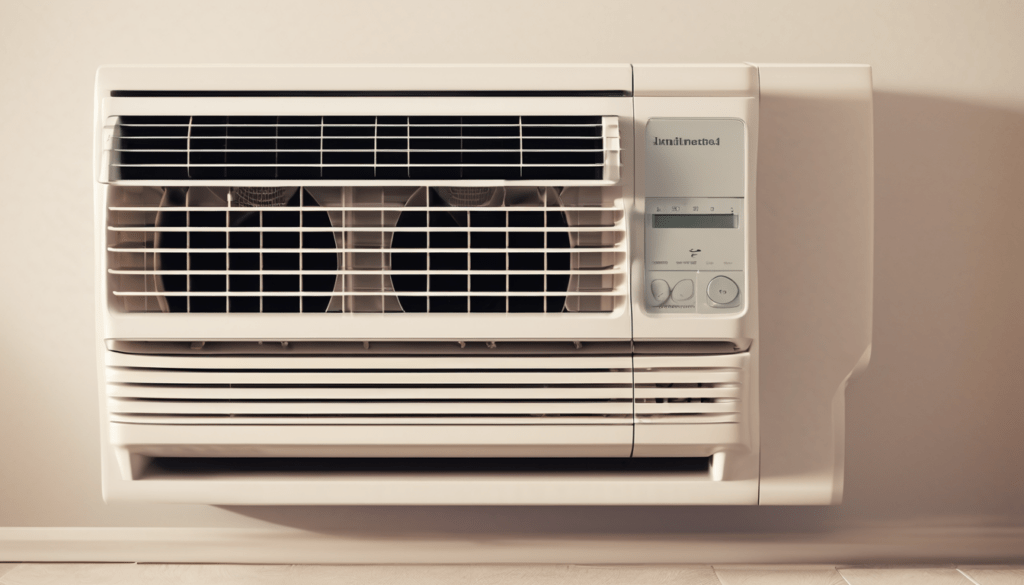
What Happens If You Skip Annual AC Maintenance is not a hypothetical concern in Sharjah. It is a pattern that Saniservice technicians document repeatedly across apartments, villas, and commercial fit-outs throughout the emirate. The short answer: when annual service is deferred, the system accumulates biological contamination, loses thermal efficiency, strains mechanical components, and begins redistributing that contamination into every room it serves. In Sharjah’s climate, where air conditioning runs for nine to ten months of the year and indoor humidity regularly creates conditions that favour microbial growth, the consequences arrive faster than most occupants expect.
This guide walks through each consequence in sequence, explains the underlying mechanism, and sets out a practical maintenance approach that prevents the cycle from repeating. Whether you are managing a single apartment in Al Nahda or a residential tower in Al Majaz, the framework applies.
Why Sharjah’s Climate Makes Skipped Maintenance More Consequential
Sharjah sits in a coastal humidity band that brings persistent moisture into every building envelope. During summer months, outdoor relative humidity frequently exceeds 70 to 80 per cent, and air conditioning systems work continuously to extract that moisture from indoor air. The evaporator coil — the cold surface inside each indoor unit — becomes the primary site where moisture condenses.
When that coil carries a layer of accumulated dust, bio-film, or debris, the condensate cannot drain cleanly. Water pools. Biological material finds a warm, wet surface on which to establish. By the time an occupant notices something is wrong, the contamination has typically been developing for several months.
This is not unique to Sharjah, but the combination of extended cooling seasons, fine desert dust that enters through balcony doors and building facades, and high humidity creates conditions where the consequences of deferred maintenance compound more quickly than in temperate climates.
Step One — Recognise the Early Warning Signs
Before walking through what deferred maintenance produces mechanically, it is worth identifying the signals that appear before any visible damage occurs. These are the system’s early indicators that something is accumulating inside.
Reduced airflow from vents
If airflow from supply grilles feels weaker than it did six months ago, the most common cause is a blocked filter or fouled evaporator coil. Both restrict the volume of conditioned air reaching the room, forcing the system to run longer cycles to achieve the set temperature. Occupants often adjust the thermostat downward rather than identifying the real cause.
Unusual odours on start-up
A musty or stale smell in the first few minutes after the unit switches on is a consistent indicator of microbial accumulation on the coil, in the drain pan, or inside the ductwork. This is one of the most commonly reported complaints in Sharjah’s humidity, and it correlates directly with the interval since the last professional service.
Condensate water appearing where it should not
Water marks on walls or ceilings near indoor units, or pooling on the floor below a cassette unit, indicate that the condensate drain line is partially or fully blocked. This blockage almost always originates from biological build-up in the drain pan — something that professional maintenance resolves during a full-service visit.
Step Two — Understand What Accumulates Inside the System
Knowing what is actually building up inside a neglected AC system helps property owners make maintenance decisions based on evidence rather than assumption. Field investigations across Sharjah properties commonly reveal the following.
Particulate fouling on the evaporator coil
Sharjah’s ambient air carries fine silica dust, construction particulates from nearby development sites, and organic material. Over a cooling season, the evaporator coil acts as an unintentional filter, accumulating this material between its aluminium fins. As the layer thickens, heat transfer efficiency drops, and the compressor must work harder to achieve the same cooling output.
Microbial growth in the drain pan and drain line
The drain pan is permanently wet and warm — conditions that suit microbial colonisation. Without annual cleaning and treatment, bio-film establishes in the pan and extends into the drain line. Over time, this restricts drainage and contributes to the odour profile that occupants describe as the AC “smelling bad.” A NADCA-aligned service protocol addresses this at the source rather than masking it.
Duct interior contamination
In ducted split and central systems, the interior of supply and return ducts accumulates dust, fibres, and, in persistently humid conditions, biological material. When the system runs, this contamination becomes airborne and is distributed into occupied spaces. This is the mechanism that connects skipped maintenance to occupant respiratory discomfort — not immediately visible, but consistently present in field assessments.
Step Three — Track the Mechanical Consequences Over Time
Each season of deferred maintenance adds to the cumulative load on the system’s mechanical components. The progression follows a broadly predictable sequence.
Coil icing and compressor short-cycling
A heavily fouled evaporator coil loses its ability to absorb heat at the intended rate. In some conditions this causes the coil surface to drop below freezing, resulting in ice formation. When ice accumulates, the system detects abnormal conditions and short-cycles, switching off before completing a full cooling run. Compressors subjected to repeated short-cycling experience elevated wear on start-up components and reduced service life.
Refrigerant pressure imbalance
Restricted airflow across a fouled coil alters the operating pressures in the refrigerant circuit. Over extended periods, this stress can lead to refrigerant line issues that require professional diagnosis and, in some cases, recharging. Refrigerant work requires a certified technician and cannot be addressed through DIY cleaning.
Compressor failure
Compressor replacement is among the most significant repair costs in a residential or light-commercial AC system. The majority of premature compressor failures that Saniservice technicians encounter during service calls trace back to a history of restricted airflow, unaddressed refrigerant pressure issues, or both — consequences that originate with consistently skipped annual maintenance.
Step Four — Assess the Indoor Air Quality Impact
The mechanical consequences are measurable and costly, but the indoor air quality impact is what affects occupants directly. Understanding this link is important for property managers and residents who may not immediately connect occupant complaints to the AC system’s maintenance history.
When biological material accumulates on coil surfaces and in drain infrastructure, and when duct interiors carry settled particulates, every hour the system operates circulates that contamination. In a Sharjah apartment with windows kept closed against heat and dust, the air exchange rate depends almost entirely on the mechanical ventilation provided by the AC system. A contaminated system is the primary route through which airborne biological material reaches occupants.
Saniservice’s Indoor Sciences laboratory — the only in-house indoor environmental microbiology lab operated by a service company in the UAE — regularly analyses air and surface samples taken before and after professional AC service. Microbial counts from neglected systems frequently show contamination profiles that would not be present in a system maintained on an annual schedule.
Step Five — Calculate What Deferred Maintenance Actually Costs
A common reason property owners defer annual service is the perception that the cost is avoidable. The actual cost comparison is rarely framed correctly.
Professional annual AC maintenance for a standard Sharjah apartment involves filter cleaning, coil treatment, drain pan clearing, drain line flushing, electrical connection inspection, and refrigerant pressure verification. The cost of this service, assessed property-specifically, is a fraction of a single compressor replacement, a professional mould remediation engagement, or the cost of an emergency call-out during peak summer when technician availability is under pressure.
Beyond equipment costs, there is the question of energy consumption. A fouled coil running on reduced thermal efficiency draws more power than a clean one. In a climate where air conditioning represents the majority of residential electricity consumption, that inefficiency accumulates as a measurable increase on the DEWA or SEWA bill every month the system runs in a degraded state.
Step Six — Structure a Maintenance Schedule That Prevents the Pattern
Prevention is more straightforward than remediation. A structured maintenance schedule for Sharjah conditions typically includes the following elements.
- Annual full-service visit — coil cleaning, drain system clearing, filter replacement or deep clean, refrigerant pressure check, electrical inspection. This is the foundational service interval.
- Filter inspection every four to six weeks during peak cooling season — in Sharjah’s dust environment, filters reach their recommended replacement interval faster than manufacturers’ standard guidance suggests.
- Condensate drain verification before summer — ideally in March or early April, before the system enters its heaviest operating period. A blocked drain identified before summer avoids a water-damage event during July or August.
- Duct inspection every two to three years — for ducted systems, a visual or camera-assisted duct inspection on this cycle identifies accumulation before it reaches the level that requires full mechanical cleaning.
Saniservice AC technicians working across Sharjah, Dubai, and the wider UAE operate under NADCA certification standards, which define method and verification requirements for both duct cleaning and system service. This certification framework is what separates a documented protocol from an informal visit.
Expert Observations From Field Assessments
Several patterns emerge consistently from Saniservice field assessments in Sharjah properties where maintenance has been deferred for two or more years.
First, the coil fouling in coastal-area properties — particularly along the Corniche and Khalid Lagoon zones — tends to carry a higher biological load than properties further inland. Proximity to water sources combined with continuous AC operation creates conditions that accelerate microbial establishment on coil surfaces.
Second, properties that have changed tenants without a documented end-of-tenancy AC service frequently present with drain pans in an advanced state of fouling. This is a gap in many property handover processes, and it means incoming tenants begin occupancy in a property where the AC system has received no verified service for an indeterminate period.
Third, cassette-type units installed in false ceilings are disproportionately likely to have undetected condensate issues. The drain infrastructure is less visible, and small leaks or partial blockages can affect ceiling materials for months before becoming apparent to occupants.
Frequently Asked Questions
How often should AC maintenance be done in Sharjah?
A full professional service once per year is the standard recommendation for Sharjah’s climate. Given the extended cooling season and high particulate load, filter inspection every four to six weeks during summer, and a condensate drain check before the peak season begins in April, are also advisable for most residential and light-commercial properties.
Why does my AC smell bad in Sharjah’s humidity?
Musty or stale odours from AC units in Sharjah are most commonly caused by microbial growth on the evaporator coil, in the drain pan, or in the duct interior. These areas remain wet and warm when the system runs in humid conditions, and without annual professional cleaning, biological material establishes and becomes airborne each time the unit operates.
What happens if the AC drain line is not cleaned regularly?
A blocked drain line causes condensate water to overflow from the drain pan. In cassette and ceiling-mounted units, this water migrates into ceiling void materials, wall cavities, and flooring. Over time, persistent moisture in these locations creates conditions for structural deterioration and biological contamination that requires professional remediation to address properly.
Can skipping AC maintenance increase electricity bills in UAE apartments?
Yes. A fouled evaporator coil reduces heat transfer efficiency, which means the compressor runs for longer cycles to reach the set temperature. In a climate where air conditioning represents the largest share of residential electricity consumption, this inefficiency produces a measurable and consistent increase in monthly SEWA or DEWA billing.
Is there a difference between a standard AC filter clean and a professional full service?
Significant difference. A filter clean removes surface particulates from the accessible filter element, which is a useful maintenance step but does not address coil fouling, drain pan contamination, drain line blockage, refrigerant pressure, or electrical integrity. A professional full service addresses all of these components in a single documented visit under a verified protocol.
How do I know if my AC coil needs professional cleaning in Sharjah?
Reduced airflow, longer cooling cycles, musty odours on start-up, and visible discolouration on the indoor unit’s front panel are all indicators. If the system has not received a professional coil clean in the last twelve months, it is reasonable to assume cleaning is due regardless of visible symptoms, given Sharjah’s ambient dust and humidity levels.
What is the risk of not servicing AC units in a rented Sharjah apartment?
In rented properties, both tenants and landlords carry a stake in the outcome. Unserviced systems produce poorer indoor air quality for occupants. They also carry greater risk of water damage from blocked drains and higher repair costs from component wear. Maintenance history documentation is increasingly requested during lease renewals and property inspections as awareness of indoor environmental quality grows across the UAE.
Closing Thoughts
What Happens If You Skip Annual AC Maintenance resolves, ultimately, into a straightforward cause-and-effect sequence: contamination accumulates, efficiency drops, components wear, and occupants experience the consequences in the air they breathe and the bills they pay. In Sharjah’s operating environment, that sequence moves faster than in most climates, and the consequences are proportionally more significant.
The corrective approach is not complicated. It requires a professional service on a documented annual schedule, a filter inspection rhythm calibrated to Sharjah’s dust load, and a drain system check before each peak season. Saniservice AC technicians operate across Sharjah and the wider UAE under NADCA certification, applying a consistent protocol that produces a verifiable outcome — not a surface clean, but a system that performs as it was designed to. If annual maintenance has been deferred, the right time to reset the schedule is before the next summer cooling season begins. Understanding What Happens If You Skip Annual AC Maintenance is key to success in this area.