What Does AC Maintenance Service Sharjah Actually Cover?
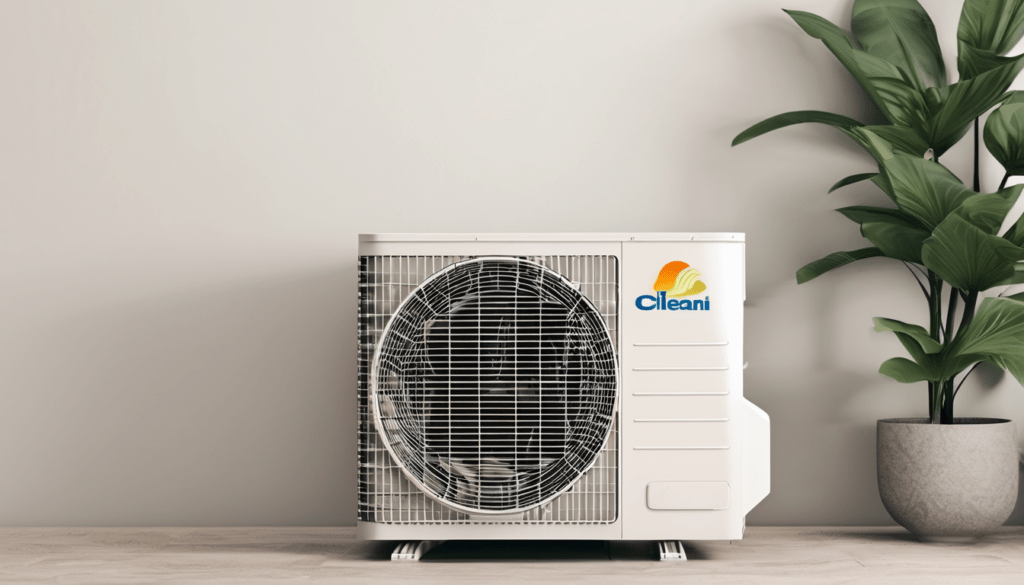
AC Maintenance Service Sharjah is not a single task performed once a year. In a city where ambient temperatures routinely exceed 42°C and cooling systems operate almost continuously, maintenance is an ongoing discipline that determines indoor air quality, energy efficiency, and the long-term reliability of expensive equipment. The scope of a professional service is determined by the system type, the building’s age, the dust load inside the ductwork, and what a technician finds when the unit is actually opened and inspected — not by a standardised checklist applied uniformly to every property.
Sharjah’s indoor environment presents a specific combination of pressures. The emirate sits at the intersection of coastal humidity from the Arabian Gulf and desert particulate from the surrounding terrain. That combination accelerates microbial growth inside evaporator coils, promotes biofilm formation in drain pans, and fills ductwork with a particularly fine, adhesive dust that cannot be addressed by filter replacement alone. Professional maintenance accounts for each of these factors systematically.
This guide covers what a thorough maintenance programme looks like, why Sharjah’s climate creates specific demands, how different system types require different approaches, and what property owners should expect in terms of documentation, frequency, and quality assurance.
Why Sharjah’s Climate Places Unusual Demands on AC Systems
Most regions experience four distinct seasons. Sharjah does not. The cooling season runs from late March through October, with temperatures routinely above 38°C and relative humidity levels that regularly exceed 80% along the coast. During these months, AC systems run almost without interruption, accumulating contamination at a rate that temperate climates never produce.
The consequence is measurable. Evaporator coils that might stay reasonably clean for 18 months in a European climate can become fully blocked in six months in Sharjah, particularly in ground-floor apartments and villas where dust ingress is highest. A blocked coil reduces heat transfer efficiency, forces the compressor to work harder, raises electricity consumption, and begins to harbour microbial growth as the surface stays permanently damp.
Humidity and Microbial Growth
Evaporator coils operate at temperatures below the dew point of the incoming air. This means moisture condenses on the coil surface constantly during operation. In Sharjah’s high-humidity environment, that moisture load is sustained and substantial. Without routine cleaning, the coil surface accumulates an organic film — a combination of dust, skin particles, and moisture — that supports bacterial and fungal growth.
This is not a theoretical concern. Field investigations consistently identify microbial contamination on evaporator coil surfaces in buildings that have not followed a structured maintenance schedule. The air passing over a contaminated coil carries those particles directly into the occupied space. Occupants often notice this as a musty odour on first start-up, but the contamination continues even after the smell fades.
Desert Dust and Ductwork Accumulation
Sharjah’s proximity to open desert terrain means that fine particulate — silica-based, sub-micron in size — enters buildings through every gap, including fresh-air inlets on rooftop AHUs. This dust is not captured by standard filters designed for coarser particulates. It passes through, settles in ductwork, and forms a compressed layer on supply and return grilles that gradually restricts airflow.
Restricted airflow means longer run times to achieve the set-point temperature, higher electricity consumption, and uneven cooling across rooms. It also creates a surface environment inside the duct that retains moisture and supports biological growth over time.
What a Professional Service Actually Includes
A professional AC maintenance programme in Sharjah covers multiple components that interact with each other. Addressing only one — for example, cleaning the filter and checking the refrigerant level — while ignoring the coil, the drain pan, the ductwork, and the outdoor condenser produces incomplete results.
Filter Inspection and Cleaning
Filters are the first line of defence against particulate ingress. In Sharjah’s environment, filters in residential split units typically require inspection every four to six weeks during the peak season, and cleaning or replacement at intervals that a technician determines based on the actual dust load found. Filters that are left uncleaned beyond capacity become a source of particulate contamination rather than a barrier against it, as the accumulated material begins to bypass the filter edges.
Evaporator Coil Cleaning
The evaporator coil is the most critical component from both an efficiency and an indoor air quality perspective. Professional coil cleaning requires the unit to be partially disassembled to access the coil surface directly. A qualified technician uses approved chemical agents and controlled rinsing methods to restore the coil surface without damaging the aluminium fins or the refrigerant tubing beneath them.
The distinction between surface cleaning and deep coil cleaning matters. A surface spray without mechanical action rarely penetrates the compressed dust layer that forms between fin rows. NADCA-aligned methodology specifies the contact time, agent concentration, and rinse procedure required to achieve genuine coil restoration rather than cosmetic cleaning.
Drain Pan and Condensate Line Clearance
The drain pan collects condensate from the evaporator coil and channels it away through a condensate drain line. In Sharjah’s humidity, drain pans carry a continuous water load during the operating season. Algae and biofilm form in stagnant sections of the pan and in the drain line, eventually causing blockages that result in water leakage — one of the most frequently reported maintenance problems in UAE residential buildings.
Professional maintenance includes visual inspection of the pan for standing water and biological growth, mechanical clearance of the drain line, and the application of a slow-release biocide tablet where appropriate to inhibit regrowth between service visits.
Outdoor Condenser Unit Maintenance
The outdoor condenser coil dissipates the heat extracted from the indoor space. In Sharjah, condenser units installed on balconies, rooftops, and building plant rooms are exposed to continuous sand and dust, particularly during shamal wind events. A condenser coil that is partially blocked by compacted dust must work significantly harder to reject heat, which increases electricity consumption and accelerates compressor wear.
Condenser cleaning involves controlled washing of the coil fins, inspection of the fan motor and blade assembly, and verification that the unit is properly levelled and has adequate clearance for airflow on all sides. This work is typically performed as part of a scheduled annual or biannual maintenance visit rather than every routine service call.
Refrigerant Check
Refrigerant does not deplete through normal operation. A system that requires repeated refrigerant top-ups has a leak that needs to be located and repaired, not masked by adding more refrigerant. A professional maintenance inspection includes a check of suction and discharge pressures against the manufacturer’s specification for the installed refrigerant type, which identifies undercharge conditions that indicate a leak without simply defaulting to a top-up charge.
Electrical and Control Inspection
Capacitor condition, contactor contacts, thermostat calibration, and the integrity of electrical connections deteriorate over time in Sharjah’s heat. A loose connection that generates resistance heat inside a junction box in a 45°C plant room is a fire risk, not just an efficiency concern. Professional maintenance includes a check of electrical component condition and a verification that the system’s control sequence — including defrost cycles on inverter units — is operating within the manufacturer’s parameters.
Duct Cleaning as Part of the Maintenance Cycle
Split units with independent refrigerant circuits do not have shared ductwork. However, a significant proportion of Sharjah’s residential and commercial building stock — particularly apartments and villas built before 2010 — uses central air handling units (AHUs) with supply and return duct networks. These systems require periodic duct cleaning as a distinct service alongside the regular mechanical maintenance of the AHU itself.
Duct cleaning to NADCA standards involves source removal using negative air machines, mechanical agitation of duct interior surfaces, and a post-cleaning inspection to verify that the internal surface has been restored. This is a significantly more involved process than filter cleaning, and properties with central ducted systems should treat duct cleaning as a scheduled component of their maintenance programme rather than an emergency response to visible contamination or odour.
When Duct Cleaning Is Indicated
Common indicators include visible dust discharge from supply registers, a persistent musty odour that persists after routine AC cleaning, a documented history of respiratory symptoms among occupants with no identified medical cause, and post-renovation situations where construction dust has entered the duct system. A professional assessment evaluates actual internal duct conditions before recommending the scope of cleaning required, which avoids both under-treatment and unnecessary cost.
Maintenance Frequency — What Sharjah Properties Actually Need
The appropriate maintenance frequency depends on the system type, the building’s occupancy profile, the level of dust exposure, and the age of the equipment. Generic annual-service recommendations do not reflect the actual operating conditions found in Sharjah properties.
Residential Villas and Townhouses
Villas with multiple split units typically benefit from a full service twice per year: once before the peak cooling season begins in late March, and a second visit mid-season in July or August when dust accumulation from the spring months has reached its maximum level. Properties in areas with direct desert exposure or high foot traffic may require filter cleaning at four-to-six-week intervals during the peak season.
Apartments and Flats
Apartments on higher floors typically accumulate less ground-level dust than ground-floor or podium-level units. However, apartments with balcony-mounted condensers facing prevailing wind directions may have significantly higher condenser dust loads than sheltered units in the same building. A professional assessment identifies which units in a building require more frequent attention based on actual exposure conditions.
Commercial and Office Properties
Commercial properties with continuous occupancy — offices, retail units, medical clinics — typically require more frequent maintenance than residential properties because the system’s operating hours are longer and the occupant density is higher. ASHRAE 62.1 ventilation standards and WELL Building Standard requirements both establish minimum maintenance protocols for commercial indoor air quality, and Sharjah-based commercial operators with international tenants or healthcare occupants should align their maintenance schedules with these frameworks.
Hospitality and F&B
Hotel properties and food-and-beverage outlets in Sharjah operate under Dubai Municipality-equivalent inspection standards. HVAC systems in these environments are subject to audit, and documented maintenance records form part of compliance evidence. A professional service provider issues detailed service reports after each visit that can be archived as part of the property’s compliance documentation.
Recognising the Signs That Maintenance Is Overdue
AC systems communicate their condition through a set of observable indicators that most property occupants can identify without technical training. None of these indicators should be dismissed as normal operation in a building that follows a proper maintenance schedule.
- Reduced cooling output — the unit runs continuously but the room temperature does not reach the set point, indicating reduced heat transfer efficiency from a dirty coil or low refrigerant charge.
- Musty or stale odour — a smell that appears when the unit starts or persists during operation, indicating microbial growth on the evaporator coil or in the drain pan.
- Water leakage — water dripping from the indoor unit, indicating a blocked condensate drain line, typically from biofilm accumulation.
- Visible dust from registers — fine dust discharge from supply grilles, indicating filter bypass or excessive duct contamination.
- Unusual noise — rattling, buzzing, or grinding from the indoor or outdoor unit, indicating mechanical wear in the fan assembly or electrical component degradation.
- Higher electricity consumption — a measurable increase in DEWA consumption during comparable weather periods, indicating reduced system efficiency from any combination of the above causes.
The Documentation Standard That Separates Professional from Non-Professional Service
A professional AC maintenance service in Sharjah produces documentation. This is not an administrative nicety — it is the mechanism that enables a property owner, facility manager, or compliance officer to track system condition over time, identify deterioration patterns, and demonstrate due diligence in the event of an equipment failure or insurance claim.
Documentation from a properly conducted service visit includes: a pre-service condition assessment noting any defects or contamination observed; a record of every component inspected, cleaned, or tested; the results of electrical checks and refrigerant pressure readings; any recommendations for remedial work identified during the visit; and a post-service condition summary confirming the work completed.
Saniservice’s NADCA-certified and triple-ISO-certified (9001, 14001, 45001, verified by Bureau Veritas) operational framework means that every service visit generates a documented protocol. This aligns with ISO 9001’s requirement for documented evidence of quality management across all service activities — a standard that distinguishes a certified provider from an operator offering informal service without a quality management system.
What to Look for When Selecting a Service Provider
The Sharjah and broader UAE market contains a wide spectrum of AC service operators, ranging from certified specialists with documented protocols and in-house technical teams to informal operators with no equipment, no certification, and no accountability. The difference in service quality is significant, and the consequences of inadequate maintenance — reduced equipment lifespan, elevated electricity consumption, and degraded indoor air quality — are real and cumulative.
Certification and Standards
Ask whether the provider’s duct cleaning methodology aligns with NADCA standards and whether the company holds third-party certification. NADCA certification is specific to duct systems; it is not a general-purpose cleaning credential, and a provider claiming NADCA certification should be able to demonstrate this with documentation rather than a verbal assurance.
Technician Training and Equipment
Professional coil cleaning and duct work requires specific equipment: negative air machines for duct source removal, calibrated pressure gauges for refrigerant checks, and appropriate chemical agents with documented safety data sheets. A technician arriving with a vacuum cleaner and a spray bottle is not equipped to perform a professional service on a commercial AHU or a multi-split villa system.
Service Reporting
A provider that does not issue a written service report after the visit is providing an informal service with no accountability trail. For facility managers and building operators, this creates a compliance gap. For homeowners, it means there is no record of what was done, what was found, and what was recommended — information that is essential when managing equipment maintenance over a multi-year period.
Expert Observations from Field Practice
Based on field investigations across Sharjah residential and commercial properties, several patterns emerge consistently across different building types and system ages.
Drain pan contamination is almost universally underestimated. Property owners often contact a service provider when they notice water leakage, but the underlying drain blockage has typically been developing for months before it becomes visible. A scheduled maintenance programme that includes drain pan inspection and clearance prevents the majority of these calls before they occur.
Condenser units on Sharjah balconies facing north or northwest — the direction of prevailing shamal winds — accumulate dust at roughly twice the rate of sheltered units. Identifying this exposure pattern during the initial assessment allows the maintenance schedule to be calibrated accordingly, rather than applying a uniform frequency to all units in a property regardless of actual exposure.
Post-renovation indoor air quality is a frequently overlooked issue. Construction and fit-out work generates fine particulate that penetrates HVAC systems through return air inlets. A property that has undergone renovation without duct cleaning typically has a measurably elevated particulate load in its indoor air for six to twelve months after work is completed. Pre-handover or post-renovation assessment by a qualified IAQ specialist is the appropriate response, not a standard routine service call.
Frequently Asked Questions
How often should AC maintenance be carried out in Sharjah?
In Sharjah’s climate, most residential properties benefit from a full service at least twice a year — before the peak season in March and again mid-season in July or August. Commercial properties, hospitality venues, and buildings with central AHU systems typically require more frequent scheduled visits, determined by system type and occupancy intensity rather than a fixed calendar.
What is the difference between an AC service and an AC duct cleaning?
An AC service covers the mechanical and electrical components of the unit itself — the coil, filter, drain pan, refrigerant charge, fan motor, and outdoor condenser. Duct cleaning is a separate, more involved process that addresses the internal surfaces of the supply and return duct network in centrally ducted systems. Properties with split units do not have shared ductwork, but central systems in older Sharjah buildings require both services on separate schedules.
Why does my AC smell musty when it first starts up?
A musty odour on start-up typically indicates microbial growth on the evaporator coil surface or in the condensate drain pan. This is a common finding in Sharjah properties where the system has operated through a long humid season without coil cleaning. Professional coil cleaning with an approved bio-sanitiser resolves the odour at its source rather than masking it with a fragrance applied to the filter.
Is water dripping from my indoor AC unit a serious problem?
Water leakage from the indoor unit indicates a blocked condensate drain line, which is a direct consequence of delayed drain pan maintenance. Left unaddressed, drain overflows cause water damage to ceilings, walls, and flooring. It is a correctable maintenance issue, not a fault requiring unit replacement, but it requires professional clearance of the condensate line rather than simply wiping the unit exterior.
What certifications should a professional AC maintenance provider hold in the UAE?
For duct cleaning specifically, NADCA certification is the relevant industry standard. For general AC maintenance in the UAE, providers operating across all seven emirates should hold Dubai Municipality approval for applicable service categories. ISO 9001 certification by an accredited body such as Bureau Veritas demonstrates a documented quality management system, which is particularly relevant for commercial and institutional clients who require compliance evidence.
Can poor AC maintenance affect indoor air quality in Sharjah homes?
Yes, and field investigations consistently confirm this. A contaminated evaporator coil, a blocked drain pan with biological growth, or ductwork carrying years of compressed dust all contribute measurable particulate and microbial material to the air supply of the occupied space. In Sharjah’s climate, where windows remain closed for most of the year and occupants rely almost entirely on mechanical ventilation, the condition of the AC system directly determines the quality of the air being breathed indoors.
Does higher electricity consumption mean my AC needs maintenance?
Increased DEWA consumption during comparable weather periods is one of the clearest indicators of reduced AC efficiency. A dirty evaporator coil, a blocked condenser, a failing capacitor, or an undercharged refrigerant circuit all increase the energy the system requires to achieve the same cooling output. Professional maintenance that restores system components to their operating specification typically results in a measurable reduction in electricity consumption in the weeks following the service.
Conclusion
AC maintenance service Sharjah is most accurately understood as an integrated programme rather than a single annual event. In a climate where cooling systems carry the full weight of indoor comfort for the majority of the year, and where humidity and desert dust create specific contamination pressures that are not found in temperate environments, the depth and frequency of maintenance directly determines indoor air quality, energy efficiency, and equipment longevity.
A property that follows a professionally structured maintenance programme — calibrated to its specific system type, building age, and exposure conditions — will consistently outperform a comparable property running on reactive repairs. The documentation produced by a certified provider builds a maintenance history that protects equipment warranty, supports insurance claims, and gives facility managers the evidence they need to demonstrate compliance with applicable standards.
If you are reviewing the condition of your Sharjah property’s cooling systems and want a professional assessment rather than a generic service estimate, AC maintenance service Sharjah delivered by a NADCA-certified and triple-ISO-certified operator gives you the technical accountability that informal service providers cannot match. Contact Saniservice for a property-specific assessment and documented service scope.