Why Mold Grows in AC Units and What to Do About It
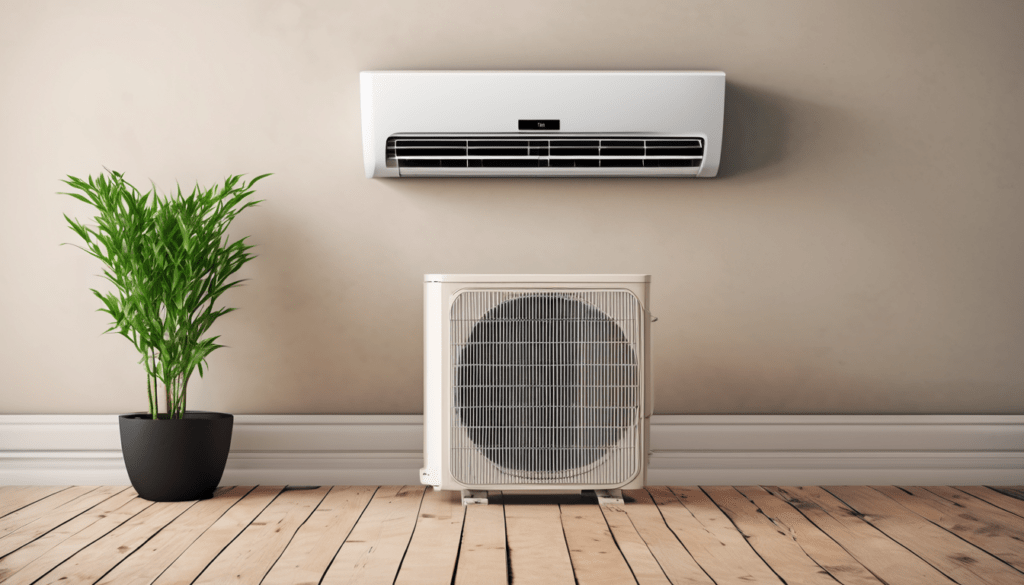
Understanding Mold in AC Units: Causes and What to Do Next is essential. Mold in AC units, the causes and what to do next, is a question that surfaces repeatedly in Dubai and across the UAE — and for good reason. Air conditioning systems here run continuously for months at a stretch, cycling warm humid air through cold metal components that create near-perfect conditions for microbial colonisation. When mold establishes itself inside a fan coil unit, an evaporator coil, or the ductwork beyond, the system stops delivering clean conditioned air and starts distributing spores into every room it serves.
The problem is invisible by design. Most residents notice a musty smell, an uptick in allergy symptoms, or a fine dark residue around the supply vents — but rarely connect those signals back to the unit itself. By the time the contamination is visible, it has usually been present and circulating for weeks or months. Understanding why this happens, and what a proper response looks like, is the foundation of doing something about it that actually holds.
This article draws on direct field experience across residential, hospitality, and commercial properties throughout the UAE. It covers the conditions that allow mold to take hold in AC systems, the difference between surface cleaning and genuine remediation, and the standard that separates a durable outcome from a repeat call six months later.
Why AC Systems Are Vulnerable to Mold
An air conditioning system is, at its core, a dehumidification device. As warm air passes over the cold evaporator coil, moisture condenses onto the coil surface and drips into the drain pan below. That condensation process is intentional — it removes humidity from the air. But it also creates a persistently wet surface inside a dark, enclosed space with an abundant food source: the dust, skin cells, and organic debris that accumulate on every coil and duct surface.
In the UAE, this vulnerability is amplified by several factors. Outdoor humidity regularly exceeds 80% during summer months, placing a higher moisture load on every unit. Indoor-outdoor temperature differentials are extreme, meaning coils run cold for longer periods. Many buildings have older HVAC systems where drain lines have partially blocked, drain pans have corroded, or insulation has degraded — each condition increasing the time that moisture remains in contact with surfaces where mold can grow.
The result is that mold in AC systems is not a rare or extreme occurrence here. It is a predictable maintenance outcome when service intervals stretch beyond the system’s exposure level.
Where Mold Actually Develops Inside a Unit
The evaporator coil and drain pan
The evaporator coil and the drain pan directly below it are the two most consistently contaminated components identified during professional assessment. The coil surface collects airborne particulates carried in by the return air stream. Combined with continuous condensation, this creates a biofilm layer — a structured microbial community that includes mold species alongside bacteria — that standard filter maintenance alone does not reach.
Blocked or slow-draining drain pans allow standing water to accumulate. Standing water in a warm, dark enclosure is one of the most reliable conditions for mold amplification found in any indoor environment. Field investigations across UAE properties frequently identify Cladosporium, Aspergillus, and Penicillium species in drain pan swab cultures, alongside the occasional detection of more problematic genera depending on building age and prior water events.
The blower wheel and fan housing
The blower wheel draws return air through the filter and over the coil. Any filter gap, incorrectly sized filter, or period of operation without a filter allows unfiltered air to bypass the barrier and coat the blower wheel with a layer of dust-laden organic material. Over time, that layer becomes damp from proximity to the coil and provides another surface for microbial colonisation.
Contaminated blower wheels are particularly significant because they sit directly in the airstream. Every rotation distributes particles — including spores — into the conditioned air supply. This is one reason why occupants in rooms served by contaminated units can develop symptoms even when the unit itself appears clean from the outside.
Supply ducts and diffusers
Mold in AC ducts typically begins at the first metre or two of supply ductwork immediately downstream of the fan coil unit. As cooled, sometimes over-humidified air leaves the unit and enters the duct system, condensation can form on duct interior surfaces — particularly in poorly insulated sections or where duct joints have separated. Over time, the combination of organic debris and intermittent moisture allows mold to establish across the internal duct lining.
Recognising the Signs in Your Property
The most reported early indicator is a musty or earthy odour when the AC runs — a smell that fades when the system is switched off and returns when it starts again. This pattern almost always points to contamination inside the unit or immediately downstream of it, rather than a general household mold issue.
Visible dark spotting around supply diffusers is another consistent signal. This is often attributed to dust, and some of it may be. But diffuser staining that reappears within days of cleaning, or that has a circular or radial pattern following the airflow path, frequently contains mold components. A surface sample tested under laboratory conditions clarifies this quickly.
Occupant symptoms — persistent nasal congestion, dry throat, eye irritation, or worsening asthma — that correlate with time spent in a specific room, or that improve significantly when a building is vacated, are worth taking seriously as IAQ indicators rather than dismissing as seasonal allergies. This is particularly relevant for properties with young children, elderly residents, or anyone with a compromised respiratory system.
What a Professional Mold Assessment Involves
A credible assessment of mold in an AC unit begins with a structured inspection rather than a quote. A qualified technician should examine the evaporator coil, drain pan, blower wheel, and accessible ductwork, documenting conditions with photographs and noting moisture readings, visible contamination extent, and drain line status.
Where contamination is suspected but not visually confirmed, surface swab sampling or air sampling provides objective data. At Saniservice, Indoor Sciences — the only in-house indoor environmental microbiology laboratory operated by a service company in the UAE — processes those samples directly, returning results the same day and producing a microbial profile that identifies the genera present, not just whether “mold is there.” That specificity matters for remediation planning, particularly in properties where occupants have documented health sensitivities.
Any provider that skips the assessment stage and moves directly to quoting a clean is working from assumption rather than evidence. In mold remediation, that gap between assumption and evidence is where repeat contamination originates.
The Difference Between Cleaning and Remediation
This distinction is worth understanding clearly. AC cleaning — the routine maintenance service — involves filter replacement, coil brushing or foaming, drain pan clearing, and blower wheel wiping. Performed regularly and correctly, it prevents the conditions that allow mold to amplify. It is not, however, a remediation procedure.
Mold remediation of an AC unit involves physically removing the established microbial colony, treating the affected surfaces with an appropriate biocidal agent, verifying that drainage is restored and functional, and confirming clearance either visually or through post-treatment sampling. Where contamination has extended into the ductwork, the duct system requires separate treatment to NADCA-aligned standards rather than a surface-only clean.
800-MOLDS, Saniservice’s dedicated mold remediation division, holds both IICRC and IAC2 certifications — making it the first mold remediation company in the UAE to hold both simultaneously. That credential combination means the remediation protocol is drawn from the most current evidence-based standards, not a proprietary checklist. Non-chemical remediation options are offered as standard where contamination scope and surface type support them, consistent with the minimum-effective-chemical principle that governs all Saniservice divisions.
Why Mold in AC Units Comes Back
Recurrence after treatment is the most common client frustration, and it nearly always has one of three causes. The first is incomplete source removal: the surface was treated but the underlying biofilm or contaminated drain pan liner was not fully addressed. The second is unresolved moisture: the drain line that caused the original amplification was cleared but not repaired, and it blocked again within weeks. The third — and most important — is the absence of a maintenance programme that prevents re-amplification.
In the UAE climate, an AC unit that is professionally cleaned and then left untreated for eighteen months will, under the right occupancy and humidity conditions, return to a contaminated state. This is not a failure of the remediation; it is the predictable result of the operating environment. Preventive service intervals, calibrated to the system type and building conditions rather than a generic annual schedule, are the mechanism that breaks the cycle.
Post-Remediation Considerations
Following confirmed remediation, a documented service report should record what was found, what was treated, what products were used at what concentrations, and what the post-treatment condition of each component was. This record is both a quality assurance document and a baseline for the next service visit.
Where mold in the AC unit was extensive, or where an occupant has experienced significant symptoms, post-treatment air quality sampling provides confirmation that spore counts have returned to acceptable levels before the system is returned to normal use. This step is sometimes considered optional; in properties with medically vulnerable occupants, it is not optional — it is the standard.
Drain line maintenance, ideally quarterly in high-use periods, combined with coil surface treatment using a Dubai Municipality-approved bio-sanitiser, is the maintenance posture that keeps remediated systems clean in the long term.
Key Takeaways for Property Owners and Facility Managers
- Mold in AC units is a predictable outcome of the UAE’s operating conditions, not an exceptional event.
- The evaporator coil, drain pan, and blower wheel are the primary sites of colonisation — none are visible during a standard visual check from the room.
- Musty odour on start-up, recurring diffuser staining, and occupant respiratory symptoms that correlate with specific rooms are the three most reliable early indicators.
- Assessment before treatment is not optional — the species present and the contamination extent determine the correct response.
- Remediation and routine cleaning are different procedures with different standards, tools, and outcomes.
- Recurrence is prevented by addressing the moisture source and establishing a calibrated maintenance interval, not by increasing the strength of the chemical used.
Frequently Asked Questions
How do I know if mold is inside my AC unit and not just on the wall?
The most reliable indicator is the timing of the smell — if a musty odour appears specifically when the AC switches on and fades when it is off, the source is inside the unit rather than on surrounding surfaces. A technician can confirm with a direct inspection of the evaporator coil, drain pan, and blower wheel, supplemented by swab sampling where visual assessment is inconclusive.
Is mold in an AC unit dangerous to health?
The health significance depends on the species present, the spore concentration being distributed, and the sensitivity of the occupants. Genera such as Aspergillus and Cladosporium are commonly identified in contaminated UAE AC systems and can trigger respiratory symptoms, nasal congestion, and eye irritation — particularly in children, elderly residents, and anyone with asthma or immune sensitivities. Professional assessment identifies the species and informs the appropriate response.
Can I clean mold from my AC unit myself?
Surface-accessible components such as the external casing and accessible filter housing can be wiped down. However, the evaporator coil, drain pan, and blower wheel — the components where mold most commonly amplifies — require specialist tools and access for effective treatment. Disturbing an established mold colony without containment measures can temporarily increase airborne spore counts. Professional remediation is the appropriate response for confirmed contamination.
How often should AC units be professionally serviced in Dubai to prevent mold?
In Dubai’s climate, where units run near-continuously from April through October, a minimum of two professional service visits per year is commonly recommended — one before the peak cooling season and one following it. Properties with documented prior mold issues, high-occupancy buildings, or systems serving sensitive-use areas such as nurseries or clinics warrant more frequent intervals, determined by the condition found at each visit rather than a fixed calendar.
Does mold in an AC unit affect the whole apartment or just one room?
In a centralised HVAC system, a contaminated air handling unit can distribute spores to every room connected to that system. In split or multi-split configurations, contamination is typically concentrated in the zones served by the affected unit. The extent of spread depends on system type, ductwork condition, and how long the contamination has been present — another reason why early investigation produces a more contained and manageable outcome.
What certifications should a mold remediation company in Dubai hold?
IICRC certification (specifically the Applied Microbial Remediation Technician or AMRT standard) and IAC2 certification are the two internationally recognised credentials most relevant to mold remediation work. In the UAE, Dubai Municipality certification for the relevant service scope is required for compliant operation. 800-MOLDS holds both IICRC and IAC2 certifications, making it the first mold remediation company in the UAE to carry both designations simultaneously.
What happens if mold in an AC unit is left untreated in UAE buildings?
Untreated mold in an AC unit continues to amplify as long as moisture and organic material are available. Over time, the contamination typically spreads from the coil into the drain pan lining, the blower housing, and downstream ductwork. Spore distribution into occupied spaces increases proportionally. In commercial properties, prolonged contamination can also affect HVAC efficiency, increase energy consumption, and create compliance exposure under Dubai Municipality environmental health standards.
Conclusion
Mold in AC units, the causes and what to do next, is not a mystery — it is a well-documented outcome of specific conditions that are unusually common in the UAE built environment. Continuous cooling demand, high ambient humidity, accumulated organic debris, and maintenance intervals that were designed for less demanding climates combine to create a reliable pathway from clean coil to contaminated system.
The response that produces a durable outcome is sequential: assess first, identify the species and the extent, address the moisture source, remediate to a documented standard, and establish a maintenance interval that reflects the property’s actual exposure level rather than a generic annual assumption. Anything shorter than that sequence treats the symptom rather than the cause, and the cause returns.
If you are observing any of the indicators described here — persistent odour, diffuser staining, or occupant symptoms correlated with specific rooms — a professional inspection is the appropriate first step. Saniservice’s 800-MOLDS division and Indoor Sciences laboratory operate together to move from initial observation to confirmed assessment and, where required, to documented clearance. If the time is right to have the question answered properly, that conversation is available. Understanding Mold in AC Units: Causes and What to Do Next is key to success in this area.