AC Maintenance, Repair & Duct Cleaning Services Guide
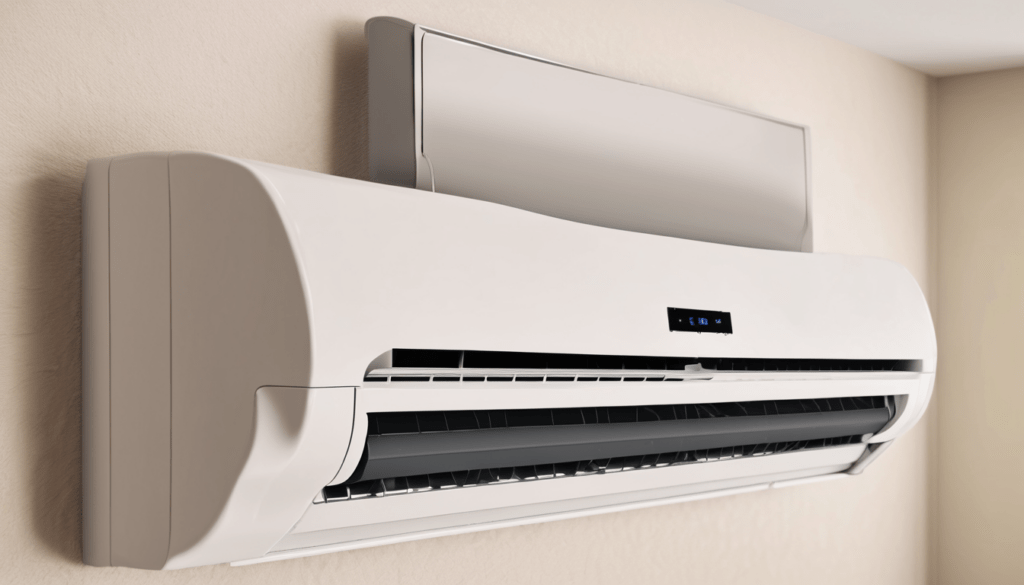
Understanding AC Maintenance, Repair & Duct Cleaning Services in Dubai, Abu is essential. In the UAE, air conditioning is not a comfort feature — it is infrastructure. Systems run continuously for nine to ten months of the year, pulling ambient air through ducts, across coils, and into living spaces where people spend the majority of their time. AC Maintenance, Repair & Duct Cleaning Services in Dubai, Abu Dhabi, and across the wider Emirates are therefore not discretionary: they sit at the intersection of building performance, indoor air quality, and occupant wellbeing. The condition of an AC system is, in practical terms, the condition of the air your family or team breathes every day.
What makes this particularly important in the UAE is the operating environment. Outdoor temperatures regularly reach 45°C or above during peak summer. Fine desert dust, saline air from coastal proximity, and high relative humidity during the spring and autumn months all place exceptional demand on AC components. A system that is not maintained to a documented standard does not simply underperform — it becomes a cumulative source of microbial contamination, reduced air flow, and unnecessary energy consumption.
This article draws on field experience across Dubai, Abu Dhabi, Sharjah, Ajman, Ras Al Khaimah, and Fujairah to give property owners, facility managers, and building engineers a thorough understanding of what professional AC service actually entails — and why the distinction between a documented protocol and a quick spray-and-leave visit matters considerably.
Why UAE Climate Conditions Make Professional Service Non-Negotiable
The UAE’s climate creates a combination of stressors that is genuinely unusual by global standards. High daytime temperatures force AC systems to run at or near capacity for extended periods. When a system runs continuously, dust accumulates on filters and coils faster than in temperate climates. That accumulated dust is not merely a performance issue — it is a substrate. Airborne particulates, particularly in areas with active construction or proximity to desert, carry organic matter on which microbial growth can establish if moisture is also present.
Moisture is rarely in short supply inside an AC system. Evaporator coils operate below dew point by design, producing condensate. If that condensate does not drain efficiently — because the drain pan is contaminated, the drain line is partially blocked, or the coil surface is fouled — moisture migrates into duct surfaces. This is a commonly observed finding during professional duct inspections across residential towers and villas in Dubai and Abu Dhabi alike.
The result is a system that circulates conditioned air through a network of surfaces that may carry accumulated dust, microbial loading, or both. The occupant experiences this not as a technical failure, but as a persistent musty odour, increased allergy or respiratory symptoms, or a room that simply never feels quite right. The cause is almost always upstream of the supply grille — inside the duct network, at the coil, or in the air handling unit itself.
What AC Maintenance Actually Covers
Preventive maintenance is the foundation of every other AC service. Carried out on a scheduled basis — quarterly at minimum for most residential and commercial properties in the UAE — it addresses the components most likely to degrade under continuous load.
Filter and Grille Cleaning
Return air filters and supply grilles are the first line of defence against particulate accumulation in the duct network. In properties with older HVAC systems or inadequate filtration specification, grilles clog within weeks during peak dust periods. Cleaning or replacing filters on a scheduled basis is the single most cost-effective maintenance action available to any property owner.
Coil Inspection and Cleaning
Evaporator and condenser coils lose heat transfer efficiency as dust and organic residue accumulate on fin surfaces. A fouled evaporator coil reduces cooling capacity, increases compressor load, and elevates energy consumption — sometimes significantly. Coil cleaning should be part of every scheduled maintenance visit, not reserved for reactive calls.
Condensate Drain and Pan Inspection
The condensate drain pan and drain line are among the most frequently neglected components in residential AC systems across the UAE. A blocked or partially blocked drain line causes water to back up into the pan, which then overflows — producing the water leaks that damage ceilings, walls, and stored property below. Clearing and flushing the drain line during maintenance prevents the majority of AC water leak calls.
Electrical and Mechanical Component Checks
Contactors, capacitors, fan motors, and electrical connections all operate under thermal stress during UAE summers. A maintenance visit that does not include a functional check of these components is incomplete. Identifying a weakening capacitor during a scheduled visit is substantially less disruptive — and less expensive — than an emergency repair during a heatwave.
Understanding AC Repair Services
Repair calls are almost always the downstream consequence of deferred maintenance. The most common repair scenarios encountered across Dubai villas, apartment towers, and commercial properties in Abu Dhabi share a recognisable pattern: a component that showed early warning signs during previous service visits was not addressed, and the system has now failed under load.
Refrigerant Faults
An AC system that is not cooling adequately is frequently diagnosed as a refrigerant issue. Low refrigerant charge can result from a slow leak at a joint or valve, or from improper charging during a previous service. A reputable technician will test for leak points before recharging — simply topping up refrigerant without identifying the source of the loss is not a repair, it is a temporary measure.
Compressor Issues
The compressor is the most expensive component in the refrigeration circuit. Compressor failure is commonly preceded by sustained periods of high load caused by fouled coils, low refrigerant charge, or inadequate airflow — all conditions that preventive maintenance is designed to detect. In the UAE context, compressor stress begins to accumulate from April and peaks through August and September.
Thermostat and Control Faults
Thermostat faults, communication errors between indoor and outdoor units, and control board failures present as erratic behaviour — systems that short-cycle, fail to respond to set-point changes, or run continuously without reaching temperature. These faults require systematic diagnostic work rather than component replacement by process of elimination.
Fan and Blower Motor Failures
Fan motor failures in indoor units reduce airflow across the evaporator coil, which accelerates coil icing and can trigger safety cut-outs. Outdoor unit fan failures compromise condenser heat rejection, driving up head pressure and stressing the compressor. Both are identifiable during routine maintenance before they reach failure stage.
AC Duct Cleaning — What the Process Should Look Like
Duct cleaning is the most misunderstood element of AC Maintenance, Repair & Duct Cleaning Services in Dubai, Abu Dhabi, and the wider UAE. It is frequently marketed as a routine cleaning service but is, in practice, an indoor environmental intervention with measurable outcomes. The distinction matters because a duct system that is cleaned without a proper inspection beforehand — and without verification of condition afterwards — has not been professionally serviced. It has been visited.
Pre-Cleaning Inspection
A professional duct cleaning engagement begins with a camera or visual inspection of accessible ductwork. The purpose is to characterise what is present: accumulated dust, organic debris, microbial growth signatures, mechanical damage, or evidence of pest activity. This inspection determines which cleaning methods are appropriate and whether additional interventions — such as coil cleaning, air handler sanitisation, or mould assessment — are needed before ductwork is addressed.
Mechanical Extraction
The NADCA-aligned standard for duct cleaning specifies that all accessible system components must be cleaned using mechanical means — typically high-powered negative-pressure extraction combined with contact agitation tools. The objective is source removal: dislodging and capturing accumulated contamination rather than redistributing it into the occupied space. Providers who rely solely on compressed air blowdown without negative pressure collection are not meeting this standard.
Air Handler and Coil Treatment
Ductwork cannot be cleaned in isolation. The air handling unit — including the coil, drain pan, blower wheel, and internal surfaces — must be addressed as part of the same scope. Cleaning ducts while leaving a contaminated air handler in place is the equivalent of cleaning downstream of a continuing source. The result will be recontamination within weeks.
Disinfection and Sanitisation
Where microbial loading is confirmed — either visually or through air sampling — disinfection of internal duct surfaces is appropriate after mechanical cleaning. The chemistry used matters. At Saniservice, the minimum-effective-chemical principle governs every application: the disinfectant is selected to address the confirmed contamination type, applied at documented concentration, and chosen from Dubai Municipality-approved formulations. Broad-spectrum chemical application as a substitute for mechanical cleaning is not a professional standard.
Post-Cleaning Verification
A service that cannot demonstrate its outcome is difficult to evaluate. Post-cleaning verification — whether through visual inspection, air sampling, or supply airflow measurement — gives property owners and facility managers objective evidence that the work was completed to specification. This is particularly relevant for commercial properties, schools, healthcare facilities, and hotel environments in Dubai and Abu Dhabi where indoor air quality has direct compliance and reputational implications.
How These Services Connect Across a Property
One of the most important observations from working across Saniservice’s full range of divisions is that AC system condition rarely exists in isolation from other indoor environmental factors. A duct system that repeatedly accumulates microbial growth despite regular cleaning is almost always linked to a moisture source — a drain line that is not fully clearing, a condensate pan that retains standing water, or in some cases, a water ingress point in the building fabric near the air handler.
Similarly, pest pressure within an AC system — particularly cockroaches in indoor unit cavities or in ductwork associated with kitchen areas — is both a contamination concern and a signal about building conditions that extend beyond the duct network. Addressing the duct without understanding the pest pressure that contributed to organic loading inside it means the service will be repeated sooner than it should be.
This is why a professional assessment of AC and duct condition in a UAE property should consider the whole indoor environment rather than treating each system as a separate problem. Water, air, surface, and pest conditions interact. The technician who understands those interactions will produce a more durable outcome than one who addresses only the immediate complaint.
Service Intervals Relevant to UAE Properties
Service intervals for UAE properties are best understood by property type and occupancy pattern rather than by calendar convention alone. The following reflects field experience across the Emirates rather than generic manufacturer guidance, which is typically written for temperate climates with seasonal off-periods that simply do not apply here.
Residential Villas and Townhouses
Ducted split or central systems in Dubai villas and Abu Dhabi townhouses typically warrant a full maintenance service every three months during the April to October period, with a comprehensive duct inspection and clean at least once per year. Properties with children, elderly occupants, or any household member with respiratory conditions should consider twice-yearly duct cleaning as a baseline.
Apartment Units
Cassette units and fan coils in apartment towers accumulate dust and organic debris faster than many occupants expect, particularly in properties with open kitchen layouts or high occupancy. Filter cleaning should be performed monthly by occupants where accessible, with a professional coil and pan service at least twice per year and duct inspection on a twelve-month cycle.
Commercial and Hospitality Properties
Hotels, offices, restaurants, and retail environments in Dubai and Abu Dhabi operate under continuous occupancy and often under regulatory inspection schedules. Duct cleaning and air handling unit maintenance for these property types typically follows a six-month or quarterly cycle, with documentation requirements that a provider holding ISO 9001 certification is best placed to meet. Dubai Municipality compliance requirements for food and beverage operators make documented AC hygiene maintenance a commercial obligation, not merely best practice.
Schools and Healthcare Facilities
Schools and nurseries across Dubai, Sharjah, and Abu Dhabi should treat duct cleaning and air handler maintenance as a pre-term obligation — carried out before occupancy resumes after the summer break, when systems have been running at maximum load through the hottest months. Healthcare facilities have specific infection control requirements that demand documented, protocol-driven AC hygiene management aligned with their accreditation standards.
What to Look for in a Professional AC Service Provider
The UAE market for AC maintenance, repair, and duct cleaning is large and variable in quality. The markers that distinguish a credentialled provider from an informal operator are consistent across all property types and service categories.
NADCA membership and certified technicians are the baseline standard for duct cleaning work. NADCA-aligned methodology specifies source removal, system component access, and post-service verification as minimum requirements — not optional add-ons. A provider unable to articulate how their process meets these requirements has likely not been trained to them.
Dubai Municipality certification is required for specific service categories in the UAE, including disinfection work. A provider operating across the seven emirates should hold DM certification and apply DM-approved chemistry at documented concentrations — and should be able to produce that documentation on request.
ISO certification, particularly ISO 9001 for quality management systems, establishes that the service provider operates to a documented, auditable standard. This is particularly relevant for commercial clients, property developers, and facility managers who need verifiable records of service completion for their own compliance obligations.
Transparency about chemistry is a practical test of professional standards. A provider who cannot name the disinfectant they apply, state its active concentration, or confirm its regulatory approval is not operating to a documented protocol.
Key Considerations When Planning AC Service
Planning AC maintenance, repair, or duct cleaning across a UAE property is most effective when the scope is determined by assessment rather than assumption. The following considerations consistently affect scope and outcomes across the properties Saniservice works with.
- System age and service history: A system with no documented service history is a different scope proposition from one with quarterly maintenance records. Older systems, particularly those installed during original handover in properties built before 2010, may have ductwork in significantly different condition from what the building schematic suggests.
- Occupancy patterns: A property that has been vacant over summer, with the AC running on standby or shut down entirely, may have different contamination characteristics from one under continuous occupancy. Vacant properties are a commonly observed context for elevated microbial loading on return to occupancy.
- Recent construction or renovation work: Construction dust — particularly fine silica-bearing particulates — bypasses standard filtration and accumulates on coil surfaces and within duct networks. Post-renovation duct cleaning and coil servicing is a standard recommendation for any property where building work has been carried out while systems were running.
- Specific occupant sensitivities: Properties housing individuals with asthma, allergies, or immunocompromised conditions warrant a more thorough baseline assessment and a more conservative service interval than a standard residential property.
Expert Takeaways for Property Owners and Facility Managers
The most durable outcomes in AC service come from prevention, not reaction. A property whose AC system is maintained on a documented quarterly schedule, with annual duct inspection and cleaning, and where coils and drain lines are addressed as a matter of routine, will rarely generate the emergency repair calls, water leak incidents, or indoor air quality complaints that characterise under-maintained buildings.
The cost of prevention is consistently lower than the cost of remediation — not only in direct service fees, but in the secondary costs that accumulate around a neglected system: ceiling and wall damage from condensate leaks, energy over-consumption from fouled coils, accelerated component failure, and the occupant health and productivity impacts of poor indoor air quality.
For facility managers overseeing multiple properties or large commercial assets in Dubai or Abu Dhabi, a service partner who can provide documented, ISO-compliant maintenance records across all systems is not a premium — it is a risk management requirement. The alternative — managing multiple informal operators with inconsistent documentation — creates compliance exposure that grows with portfolio size.
Frequently Asked Questions
How Often Should AC Ducts Be Cleaned in Dubai?
For most Dubai residential properties, a professional duct cleaning and inspection should be completed at least once per year, with twice-yearly service recommended for properties with children, pets, elderly occupants, or any history of microbial growth. Commercial properties, hotels, and schools typically require more frequent service aligned with occupancy cycles and regulatory inspection schedules.
What is included in a professional AC maintenance visit in Abu Dhabi?
A professional AC maintenance visit in Abu Dhabi should include filter cleaning or replacement, evaporator and condenser coil inspection and cleaning, condensate drain pan and drain line clearing, refrigerant pressure check, electrical and mechanical component inspection, and a functional performance test. A visit that omits any of these elements is not a complete maintenance service.
Why does my AC smell musty after cleaning?
A persistent musty odour after AC cleaning typically indicates that the source of microbial growth — most often the evaporator coil, drain pan, or internal duct surfaces — was not fully addressed during the service. A thorough inspection of all accessible system components, followed by appropriate mechanical cleaning and, where confirmed necessary, targeted disinfection, is required to resolve the underlying cause rather than the symptom.
Is AC duct cleaning different from AC maintenance in Dubai?
Yes. AC maintenance covers operational components — filters, coils, refrigerant, electrical systems, and drain lines — to keep the system running efficiently. Duct cleaning is specifically an indoor environmental intervention addressing the accumulated contamination inside the ductwork and air handling unit. Both are necessary, but they address different aspects of system condition and should be carried out by technicians trained in each discipline.
How do I know if my AC ducts need cleaning in a UAE villa?
Common indicators in UAE villas include a musty or stale odour from supply grilles, visible dust discharge from vents during system start-up, increased dust accumulation on surfaces despite regular cleaning, unexplained allergy or respiratory symptoms among occupants, or a history of no documented duct service since handover. A professional camera inspection will confirm the internal condition of accessible ductwork.
Does Dubai Municipality regulate AC duct cleaning and disinfection services?
Dubai Municipality regulates disinfection services and requires approved chemistry and certified operators for licensed disinfection work in the UAE. For commercial properties, food and beverage operators, and healthcare facilities, documented AC hygiene maintenance forms part of a broader regulatory compliance framework. Service providers should be able to produce their DM certification and confirm the approval status of any chemistry applied.
What questions should I ask a UAE AC service provider before booking?
Ask whether their duct cleaning methodology aligns with NADCA standards, which specific certifications their technicians hold, whether they provide a written service report with pre- and post-service documentation, which disinfectants they use and at what concentration, and whether those products carry Dubai Municipality approval. A provider who cannot answer these questions clearly is not operating to a documented professional standard.
Closing Perspective
AC Maintenance, Repair & Duct Cleaning Services in Dubai, Abu Dhabi, and across the UAE represent one of the most consequential maintenance disciplines in the built environment. In a region where indoor time exceeds 90% of the day for most residents and workers, the quality of conditioned air is not a background variable — it is a daily health and comfort outcome that reflects directly on how a building is managed.
The difference between a documented, credentialled service and an informal one is not always visible at the point of service. It becomes visible in the months that follow: in whether the odour returns, whether the drain line stays clear, whether the energy bill reflects a system running at proper efficiency, and whether the property owner can produce verifiable records when an insurance event, a regulatory inspection, or a building handover requires them.
At Saniservice, the approach across all divisions is consistent: identify the source, choose the minimum-effective intervention, document everything, and refuse to treat a chemical application as a substitute for a proper diagnosis. That principle applies as much to an AC duct inspection in a Palm Jumeirah villa as it does to a corporate facility in Abu Dhabi’s business district. The indoor environment connects every system — air, water, surface, and pest — and professional service should reflect that connection rather than compartmentalise it. Understanding AC Maintenance, Repair & Duct Cleaning Services in Dubai, Abu is key to success in this area.