Pipeline Disinfection After Construction in UAE Dubai Guide
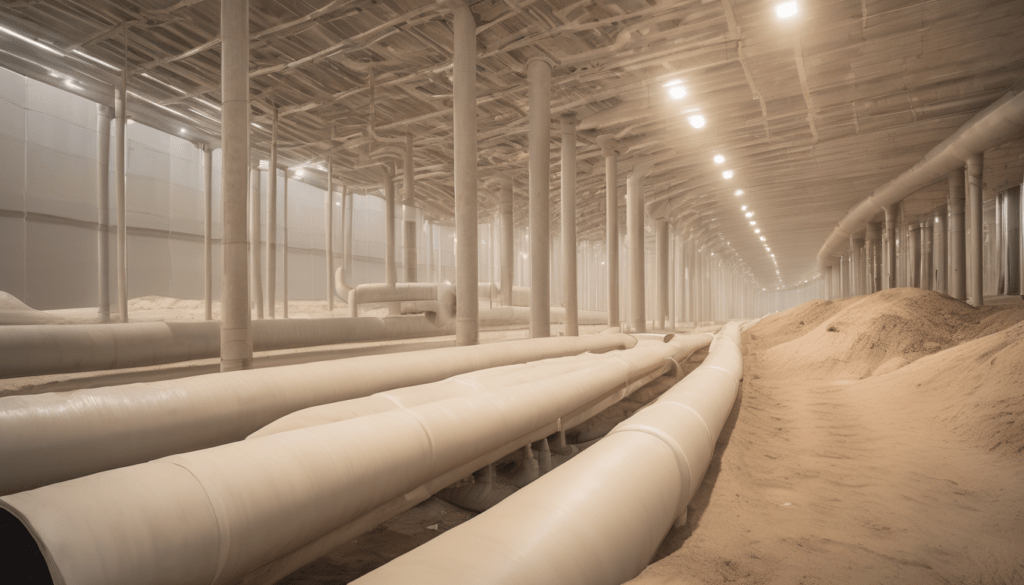
Pipeline Disinfection After construction in UAE is not a finishing touch. It is the step that determines whether the water reaching taps, showers, and kitchen outlets is safe for human contact. Newly installed pipework accumulates construction debris, biofilm precursors, flux residues, and sediment during the build phase. Without a documented disinfection protocol before commissioning, those contaminants enter the building’s water supply from day one. Across the UAE’s rapidly expanding residential, commercial, and hospitality sectors, this step is increasingly understood not as an optional service but as a compliance requirement tied to occupancy approval.
For property owners, developers, and facility managers, understanding what pipeline disinfection after construction in UAE actually involves, and how to evaluate a service provider, matters far more than simply ticking a box. The consequences of skipping or underperforming this step appear gradually: unexplained water quality complaints, recurring microbial contamination in downstream tanks, premature biofilm in pipework, and, in more serious cases, legionella risk in buildings with complex water distribution systems. These are not abstract scenarios. They are commonly observed patterns in field investigations across Dubai villas, Abu Dhabi apartment towers, and Sharjah commercial developments.
This review article evaluates the key approaches to pipeline disinfection after construction in UAE, identifies what separates a rigorous protocol from a superficial one, and outlines the criteria that should guide every property team’s decision.
Why Pipeline Disinfection After Construction in UAE Is a Separate Discipline
Routine water tank cleaning and ongoing pipeline maintenance serve a different purpose from post-construction disinfection. During the construction phase, pipework sits open for extended periods. Dust, organic matter, tools, lubricants, and soldering flux enter the system. In the UAE’s climate, where ambient temperatures regularly exceed 40°C, these conditions accelerate microbial colonisation even in newly installed pipework before a drop of water has been delivered.
Post-construction pipeline disinfection after construction in UAE addresses the contamination load that has accumulated during the build, not the load that develops through normal use. This distinction affects the chemistry selected, the contact times applied, and the post-treatment verification required. A service provider that applies the same protocol to a new pipeline as they would to a maintenance flush is not performing post-construction disinfection; they are performing a maintenance service on a pipeline that requires a more rigorous baseline reset.
The Role of Construction Debris in Contamination Risk
Copper pipework, PPR pipes, and galvanised steel systems each carry different contamination profiles after installation. Copper pipework may carry flux residues from soldering. PPR systems can retain fine polymer particles from cutting. Galvanised steel introduces the risk of oxidation residues, particularly in systems that have been exposed to humidity before commissioning. Each material type influences the flushing, cleaning, and disinfection sequence a qualified team should apply.
What the Pipeline Disinfection After Construction in UAE Process Involves
A documented post-construction disinfection protocol generally follows a sequential methodology.
Stage One; Mechanical Flushing
Before any disinfectant is introduced, the pipeline system is mechanically flushed at sufficient velocity to dislodge and remove particulate matter, construction debris, and loose sediment. This stage is frequently abbreviated or skipped entirely by operators focused on chemical intervention alone. Field investigations consistently show that chemical disinfection applied over settled debris does not adequately penetrate the organic load and may leave protected microbial colonies intact beneath the sediment layer.
Flushing velocity matters. Water must move through the pipework at a rate that achieves turbulent flow, typically calculated against pipe diameter and system configuration. A provider who cannot document flushing volumes and velocities is not performing a rigorous flush.
Stage Two; Chemical Disinfection
Following mechanical flushing, a Dubai Municipality-approved disinfectant is introduced at a controlled concentration. Chlorine-based solutions remain the most widely used agent for pipeline disinfection after construction in UAE, owing to their documented efficacy against gram-negative bacteria and their regulatory recognition. However, the concentration applied and the contact time maintained are critical variables. Underdosing produces insufficient microbial reduction. Overdosing creates residual chemical risk and discolouration complaints from downstream outlets.
A properly managed disinfection stage includes dwell time monitoring, concentration verification at multiple draw-off points, and documentation of inlet and outlet residual readings. Without this documentation, there is no evidence that disinfection was performed to standard.
Stage Three, Flushing and Residual Verification
Post-disinfection flushing removes chemical residuals from the system. This stage is followed by residual testing at designated sampling points to confirm that disinfectant concentrations have returned to acceptable levels for occupancy. Water samples drawn at this point may also be submitted for microbiological analysis, particularly in complex systems, healthcare facilities, and hospitality developments where regulatory expectations are more stringent.
Pipeline Disinfection After Construction in UAE; Evaluating Service Approaches
Not all post-construction disinfection services are equivalent. The following criteria provide a framework for evaluating providers across Dubai, Abu Dhabi, Sharjah, Ajman, Ras Al Khaimah, Umm Al Quwain, and Fujairah.
This certification applies across all seven emirates as a recognised compliance standard. Providers operating without this certification may not apply approved chemistry, may not have trained technicians, and cannot issue documentation that satisfies regulatory audit requirements.
Documentation Output
A rigorous post-construction disinfection service produces written documentation covering pre-flush condition observations, flushing volumes and velocities, disinfectant type and concentration applied, dwell time records, and post-flush residual readings. This documentation matters for building handover files, regulatory inspections, and any future investigation into water quality complaints. A service that delivers only a completion certificate without supporting technical records is not producing the documentation that complex properties require.
Integration with Water Tank Disinfection
Pipeline disinfection after construction in UAE should be coordinated with water tank disinfection, not performed in isolation. Introducing disinfected water through a newly commissioned pipeline into an uncleaned storage tank creates immediate recontamination risk. The most rigorous post-construction protocols treat the entire potable water system, tank, rising mains, distribution pipework, and outlet points, as a single commissioning scope rather than separating them into sequential service calls.
Pipeline Disinfection After Construction in UAE, Comparing Protocol Rigour
Reviewing the range of approaches visible in the UAE market, three broad service tiers emerge. Understanding these tiers helps property teams set appropriate expectations and ask the right questions before a provider is engaged.
Basic Compliance Flushing
This approach involves flushing water through the pipework and introducing a chlorine solution, often at a fixed concentration regardless of system configuration. Documentation is minimal. This approach may satisfy a superficial compliance check but provides limited assurance against residual contamination, particularly in larger or more complex systems. It is commonly observed in lower-cost contracts and high-volume handover scenarios where speed is prioritised over rigour.
Pros: Low cost, fast completion, suits simple residential systems with minimal occupancy risk.
Cons: Inadequate for complex systems, no protection against post-treatment recontamination, limited documentation for audit purposes.
Certified Protocol Disinfection
A certified provider applies a documented, staged protocol: mechanical flush, chemical disinfection at verified concentrations, post-flush residual confirmation, and written reporting. This approach aligns with Dubai Municipality standards and is appropriate for residential towers, commercial buildings, hotels, schools, and healthcare facilities. Pipeline disinfection after construction in UAE performed to this standard provides a defensible commissioning record and substantially reduces the risk of early biofilm development.
Pros: Regulatory compliance, documented outcomes, appropriate for complex and occupied buildings, coordinates with tank disinfection scope.
Cons: Higher cost than basic flushing, requires scheduling coordination with commissioning timeline.
Lab-Integrated Disinfection and Verification
For healthcare facilities, food and beverage operations, hospitality developments, and any building where water quality directly affects vulnerable occupants, post-construction disinfection should include microbiological sampling and laboratory verification. Saniservice’s Indoor Sciences laboratory, the only in-house indoor environmental microbiology lab operated by a service company in the UAE, allows same-day microbial cultures and coliform counts without third-party chain-of-custody delays. This approach provides the highest level of assurance that pipeline disinfection after construction in UAE has achieved the intended microbial reduction.
Pros: Highest level of verification, lab-documented outcomes, appropriate for healthcare, hospitality, and food service environments.
Cons: Premium scope, requires scheduling against laboratory turnaround; appropriate for higher-risk occupancy types rather than standard residential commissioning.
Key Considerations for Pipeline Disinfection After Construction in UAE Projects
- Confirm that your provider holds Dubai Municipality certification for water system services; this is the baseline compliance requirement across all UAE emirates.
- Request a staged protocol description before engagement; mechanical flush, chemical disinfection, and post-flush verification should all be explicitly included.
- Coordinate pipeline disinfection with Water Tank Cleaning to avoid recontamination at commissioning.
- For buildings with storage tanks, rising mains, and complex distribution networks, treat the entire potable water system as a single commissioning scope.
- Request documentation that covers flushing volumes, disinfectant concentrations, dwell times, and post-flush residual readings, not just a completion certificate.
- For hospitality, healthcare, schools, and food service buildings, include microbiological sampling and laboratory verification as part of the commissioning scope.
- In the UAE’s climate, timing matters, commissioning pipework during summer months, when ambient temperatures exceed 40°C, increases the speed of biofilm development in stagnant sections. Minimise the lag between disinfection and occupancy wherever possible.
Pipeline Disinfection After Construction in UAE and Regulatory Compliance
Dubai Municipality standards set the compliance benchmark for water system commissioning across the UAE. These standards govern the chemistry that may be applied, the concentrations permitted, and the documentation required before a building can be deemed fit for occupancy from a water safety perspective.
Retrospective disinfection of an occupied building is substantially more complex and disruptive than pre-occupancy commissioning performed to standard.
Frequently Asked Questions
What is pipeline disinfection after construction in UAE and why is it required?
Pipeline disinfection after construction in UAE is a certified protocol that removes construction debris, biofilm precursors, and microbial contamination from newly installed pipework before a building is occupied. It is required because newly installed pipework accumulates contamination during the build phase.
How is post-construction pipeline disinfection different from routine maintenance?
Post-construction disinfection addresses the contamination load accumulated during the build phase, including construction debris, flux residues, and sediment. Routine maintenance addresses contamination that develops through normal operational use. The chemistry concentrations, flushing velocities, and verification requirements differ between the two scopes. Applying a maintenance protocol to a new pipeline does not achieve the baseline reset required at commissioning.
Does pipeline disinfection need to be coordinated with water tank cleaning in Dubai?
Yes. Introducing disinfected water from a newly commissioned pipeline into an uncleaned storage tank creates immediate recontamination risk. In Dubai and across the UAE, rigorous post-construction commissioning treats the tank, rising mains, and distribution pipework as a single integrated scope. Separating pipeline and tank disinfection into sequential, uncoordinated service calls undermines the outcome of both.
How long does pipeline disinfection after construction in UAE typically take?
Duration depends on system complexity, pipe material, building size, and the number of floors and distribution zones involved. A straightforward villa or small commercial unit may be completed within a working day. A large residential tower or hospitality development with complex distribution networks typically requires a staged approach coordinated across multiple areas. Professional assessment determines the realistic scope and timeline for each property.
What documentation should a pipeline disinfection service in Dubai provide?
A certified pipeline disinfection service should provide documentation covering pre-flush condition observations, flushing volumes and velocities, disinfectant type and concentration applied, dwell times maintained, post-flush residual readings at multiple draw-off points, and a completion report suitable for building handover files and regulatory inspection. A completion certificate alone, without supporting technical records, is insufficient for complex or regulated building types.
Is microbiological testing required after pipeline disinfection in UAE buildings?
Microbiological sampling is not always mandatory for standard residential commissioning, but it is strongly advisable for healthcare facilities, hospitality developments, schools, nurseries, and food service buildings. Laboratory verification of microbial reduction provides the only objective evidence that disinfection has achieved its intended outcome. Saniservice’s in-house Indoor Sciences laboratory supports same-day analysis for clients requiring verified results without third-party delays.
What certifications should a pipeline disinfection provider in Dubai hold?
This certification applies across all seven emirates and governs approved chemistry, technician qualifications, and documentation standards. Providers operating without this certification cannot issue documentation that satisfies regulatory audit requirements at handover inspection or occupancy approval.
Conclusion
Pipeline disinfection after construction in UAE is one of the most consequential steps in a building’s commissioning sequence, and one of the most frequently underestimated. The difference between a superficial completion and a rigorous, documented protocol is not visible at handover. It becomes visible in water quality complaints, microbial findings in downstream tanks, and the cost of remediation after occupancy has already commenced.
Pipeline disinfection after construction in UAE performed to this standard is not a cost. It is the foundation on which every other water quality outcome in the building depends. If a property-specific assessment would be useful, Saniservice’s SaniH2O division is available to provide a scope review aligned to your building’s configuration and compliance requirements.