Black Mold vs Common Mold in Dubai Homes Explained
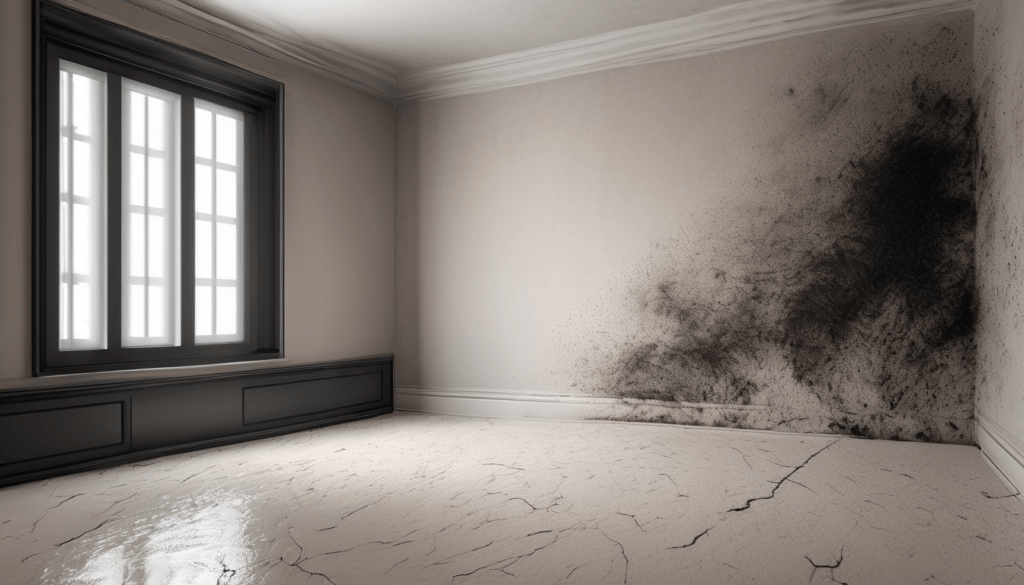
Understanding Black Mold vs Common mold in Dubai Homes is essential. In Dubai homes, the question of black mould vs common mould is one that surfaces frequently during professional assessments — and the distinction matters more than many property owners realise. Both involve fungal growth, both respond to moisture, and both affect indoor wellbeing. Yet the two differ significantly in their risk profile, their remediation requirements, and the conditions that allow them to persist in the UAE’s built environment. Understanding that difference helps homeowners, facility managers, and property professionals make informed decisions rather than reactive ones.
Dubai’s climate creates a specific set of conditions that favour mould development across building types. Humidity drawn in from the Arabian Gulf, persistent condensation around cooling systems, and the sealed nature of air-conditioned interiors all contribute to moisture accumulation. When that moisture finds an organic surface — drywall, timber, grout, or ceiling board — fungal colonies can establish within 24 to 48 hours. The species that colonise those surfaces, however, vary considerably. And that variation determines what happens next. This relates directly to Black mold vs Common Mold in Dubai Homes.
This article provides an objective, science-grounded comparison of black mould vs common mould in Dubai homes, covering appearance, conditions, health considerations, removal complexity, and how Saniservice specialists approach each type through laboratory-informed methodology.
What Is Meant by Black Mould vs Common Mould in Dubai Homes
The phrase “black mould” is widely used but frequently misapplied. In professional indoor air quality practice, the term most commonly refers to Stachybotrys chartarum, a slow-growing, dark-pigmented species that thrives on cellulose-rich materials kept persistently wet. However, not every dark-coloured mould colony is Stachybotrys. Species such as Cladosporium, Aspergillus niger, and Alternaria can all appear dark green, grey, or black to the naked eye, yet carry a very different biological profile.
Common mould, in the context of Dubai homes, refers to the broad range of fungal species frequently identified during professional assessment. These include Cladosporium, Penicillium, Aspergillus, and Chaetomium. They are opportunistic species that colonise quickly when moisture is present, spread via airborne spores, and are routinely detected in field investigations across residential and commercial buildings throughout the UAE. When considering Black Mold vs Common Mold in Dubai Homes, this becomes clear.
The key distinction is not simply colour. It is species identity, moisture dependency, colonisation rate, and remediation response. This is why laboratory analysis — rather than visual inspection alone — forms the foundation of responsible mould assessment.
Appearance and Identification Differences
Black Mould Visual Characteristics
True Stachybotrys chartarum typically presents as a slimy, dark greenish-black growth on surfaces that have been saturated over an extended period. It tends to appear in areas with chronic moisture exposure — behind water-damaged drywall, beneath flooring following a leak, or on ceiling boards affected by a persistent plumbing fault. The colony texture is often wet and gelatinous when active, becoming powdery as it dries. The importance of Black Mold vs Common Mold in Dubai Homes is evident here.
Because Stachybotrys requires sustained cellulose saturation to establish, it is less commonly found as a surface smear and more often discovered during intrusive investigation — when walls are opened or materials are removed. In Dubai villas, this species appears most frequently following unreported leaks, prolonged AC condensate drainage failures, or flood events.
Common Mould Visual Characteristics
Common mould species present with far greater visual variety. Cladosporium appears in olive-green to black patches, often on bathroom grout, window frames, or AC vent surrounds. Penicillium tends toward blue-green colouration with a powdery texture. Aspergillus species range from white to yellow-green to black depending on the strain. Chaetomium, frequently identified in water-damaged gypsum board, presents as a cottony white colony that darkens to grey or olive over time. Understanding Black Mold vs Common Mold in Dubai Homes helps with this aspect.
Visual identification alone cannot confirm species. Field investigations conducted by Saniservice specialists incorporate surface sampling, air sampling, and laboratory analysis to establish a confirmed contamination profile before remediation planning begins.
Conditions That Drive Black Mold vs Common Mold in Dubai Homes
Moisture Requirements
This is where the black mould vs common mould in Dubai homes comparison becomes most practically significant. Stachybotrys chartarum requires a water activity level at the high end of the fungal spectrum. It does not establish easily from intermittent condensation. It needs prolonged saturation — typically from an unresolved leak, a failed waterproofing layer, or a structurally compromised area that retains water over days or weeks. Black Mold vs Common Mold in Dubai Homes factors into this consideration.
Common mould species are far less demanding. Penicillium and Cladosporium can establish at relative humidity levels above 70%, which is a threshold regularly exceeded in Dubai bathrooms, kitchens, and poorly ventilated service areas during summer months. This is why common mould is a year-round finding in UAE residential assessments, while confirmed Stachybotrys colonisation is associated more specifically with building defect events.
Building Types and Hot Spots in Dubai
In Dubai villas, bathrooms and kitchens consistently present as the highest-risk zones for common mould. Inadequate exhaust ventilation, high shower frequency, and cooking steam contribute to persistent surface moisture. Grout lines, silicone sealant, and low-air-movement corners are typically the first colonisation points. This relates directly to Black Mold vs Common Mold in Dubai Homes.
Black mould colonisation in Dubai properties is more commonly associated with specific building failure events — poorly sealed balcony doors in high-rise towers, water ingress around AC unit installations, or undetected pipe leaks within wall cavities. Areas in older building stock in Deira, Bur Dubai, and parts of Sharjah and Ajman may carry elevated risk due to ageing plumbing infrastructure and legacy waterproofing specifications.
Health Considerations — Black Mold vs Common Mold in Dubai Homes
Responsible indoor air quality communication requires precision here. Both black mould and common mould can affect occupant wellbeing, and the severity of that effect depends on species, spore load, exposure duration, and individual sensitivity rather than on colour alone. This article does not frame either type as an automatic emergency, but the differences in biological profile are worth understanding. When considering Black Mold vs Common Mold in Dubai Homes, this becomes clear.
Stachybotrys chartarum is associated with mycotoxin production under certain growth conditions. However, field investigations commonly show that Stachybotrys produces relatively few airborne spores compared to common species, because its slimy spore mass limits wide dispersal. The concern with true black mould is therefore more relevant during physical disturbance — during building works, demolition, or uninformed scrubbing — when spores and fragments become aerosolised.
Common mould species, particularly Aspergillus and Penicillium, are prolific airborne spore producers. For immunocompromised occupants, children, and elderly residents, elevated airborne spore counts from common species present a meaningful indoor wellbeing concern. Laboratory analysis of air samples allows Saniservice specialists to quantify spore burden and identify species before any remediation work begins. The importance of Black Mold vs Common Mold in Dubai Homes is evident here.
Remediation Complexity Compared
Common Mould Removal
Surface colonisation by common mould species on non-porous materials — tiles, glass, metal — can often be addressed with targeted disinfection and surface treatment. The more important intervention is moisture source identification and elimination. Without resolving the underlying humidity or water ingress driver, surface treatment alone produces a temporary result.
When common mould has penetrated porous building materials — drywall, timber, insulation — material removal may be required. Saniservice mould removal service assessments evaluate penetration depth and material condition before specifying the appropriate scope. This evidence-based approach avoids unnecessary demolition while ensuring complete remediation. Understanding Black Mold vs Common Mold in Dubai Homes helps with this aspect.
Black Mould Remediation
Confirmed Stachybotrys colonisation requires a more controlled remediation approach. Because the species is embedded in saturated organic material, affected substrates typically require containment during removal to prevent cross-contamination of surrounding areas. Negative air pressure containment, personal protective equipment for technicians, and post-remediation verification sampling are standard elements of a responsible protocol aligned with IICRC S520 guidelines.
The distinction in black mould vs common mould in Dubai homes remediation is therefore primarily one of containment rigour and substrate scope, not of the disinfection chemistry used. Both require verified clearance through post-remediation air and surface sampling — a step that separates professional remediation from surface-only cleaning approaches. Black Mold vs Common Mold in Dubai Homes factors into this consideration.
Testing — The Essential Step Before Any Removal
The most consequential decision in any mould response is not which product to apply — it is what species you are dealing with and how extensively it has spread. In the context of black mould vs common mould in Dubai homes, visual assessment is a starting point, not a conclusion.
Mould testing in Dubai, conducted by qualified specialists, typically involves air sampling, surface swab or tape-lift sampling, and sometimes bulk material sampling for laboratory analysis. Saniservice operates its own microbiology laboratory, which allows the team to provide confirmed species identification and quantified spore counts rather than general estimates. This laboratory capability is what transforms a site visit into an evidence-based remediation plan. This relates directly to Black Mold vs Common Mold in Dubai Homes.
Property owners who commission mould testing before remediation gain two advantages: they avoid over-scoped remediation for minor common mould colonisation, and they avoid under-scoped remediation for confirmed black mould presence. Both errors carry consequences — one financial, one related to long-term indoor wellbeing.
Prevention — Black Mold vs Common Mold in Dubai Homes
Prevention strategies for both mould types share a common foundation: moisture management. In Dubai’s climate, this means maintaining indoor relative humidity below 60% through well-maintained AC systems, ensuring bathroom and kitchen exhaust ventilation is functional and regularly serviced, and addressing any water ingress or condensate drainage issues promptly. When considering Black Mold vs Common Mold in Dubai Homes, this becomes clear.
For common mould prevention, attention to AC unit cleanliness is particularly relevant. Cooling coils and drain pans that accumulate debris and standing water create ideal propagation conditions for Aspergillus and Penicillium. Regular AC cleaning, combined with periodic indoor air quality testing, provides measurable assurance that airborne spore loads remain within acceptable parameters.
For black mould prevention specifically, the priority is building envelope integrity — waterproofing, pipe condition, and prompt response to any water damage event. When a leak occurs in a Dubai property, drying must be completed within 48 hours using appropriate dehumidification equipment. Materials that remain saturated beyond this window carry a substantially elevated risk of Stachybotrys establishment. The importance of Black Mold vs Common Mold in Dubai Homes is evident here.
Expert Takeaways for Dubai Property Owners
- Colour alone does not confirm species. Dark mould requires laboratory identification before a remediation scope is finalised.
- Common mould is far more prevalent in Dubai homes than confirmed black mould. Both deserve a structured response, not a panic-driven one.
- Moisture source elimination is the single most important step in any mould remediation plan. Surface treatment without addressing the driver produces a temporary result.
- Post-remediation sampling is not optional — it is the verification step that confirms the work is complete and measurable improvement has been achieved.
- AC system hygiene and indoor humidity management are the most practical ongoing prevention tools available to Dubai residents and facility managers.
- Buildings in Sharjah, Ajman, and Ras Al Khaimah with older plumbing or less-controlled humidity conditions may warrant more frequent mould inspection intervals.
Frequently Asked Questions
How can I tell the difference between black mould and common mould in my Dubai home?
Visual inspection provides initial clues — colour, texture, and location — but cannot confirm species. True Stachybotrys chartarum requires laboratory identification from a surface or air sample. Saniservice specialists collect samples during site assessments and analyse them in-house to provide confirmed species identification before any remediation work begins.
Is black mould more serious than common mould found in Dubai apartments?
Black mould and common mould both affect indoor wellbeing, but in different ways. Stachybotrys chartarum requires stricter containment during removal due to mycotoxin association. Common mould species such as Aspergillus and Penicillium can produce high airborne spore loads, which is a meaningful concern for sensitive occupants. Severity depends on species, spore burden, and occupant health profile — not colour alone. Understanding Black Mold vs Common Mold in Dubai Homes helps with this aspect.
What conditions in Dubai homes cause black mould to grow?
True black mould requires prolonged saturation of cellulose-rich materials such as drywall, timber, or ceiling board. In Dubai properties, this typically follows an unresolved leak, a waterproofing failure, or a persistent AC condensate drainage fault. Unlike common mould, Stachybotrys does not establish easily from normal humidity levels alone.
How much does mould testing cost in Dubai?
Mould testing scope varies by property size, number of sampling points, and whether air, surface, or bulk material analysis is required. Professional assessment determines the appropriate testing approach for each property. Contact Saniservice for a property-specific evaluation rather than a generic estimate.
Can I remove common mould from my Dubai bathroom myself?
Surface mould on non-porous bathroom tiles may be addressable with appropriate disinfection products. However, if mould has penetrated grout, silicone sealant, or drywall, or if it is recurrent, professional assessment is the more reliable path. Without identifying and eliminating the moisture source, surface-only treatment delivers a temporary result regardless of the product used.
How does Dubai’s climate affect the type of mould found indoors?
Dubai’s high ambient temperatures, coastal humidity, and year-round air conditioning create ideal conditions for opportunistic common mould species such as Cladosporium, Penicillium, and Aspergillus. These species establish at relative humidity levels commonly reached in bathrooms, kitchens, and poorly ventilated service areas. Stachybotrys is less common but emerges following specific building moisture events in properties across Dubai, Sharjah, and Ajman.
Does Saniservice test for both black mould and common mould in Dubai homes?
Yes. Saniservice mould assessment covers the full range of fungal species through air sampling, surface sampling, and in-house laboratory analysis. The process identifies specific species rather than providing a general mould-present or mould-absent result, allowing remediation planning to be precise, proportionate, and verifiable through post-remediation clearance sampling.
Understanding Black Mold vs Common Mold in Dubai Homes — The Informed Position
The black mould vs common mould in Dubai homes comparison ultimately comes down to one principle: specificity. Both types of mould are found in Dubai properties. Both respond to moisture. Both require a structured, evidence-based response. But they differ in the conditions that produce them, the containment required during removal, and the risk profile they present to occupants.
Approaching either with a surface-only cleaning response — without testing, without moisture source resolution, and without post-remediation verification — leaves the underlying condition unaddressed. The science-backed approach is always: sample first, identify second, remediate with appropriate scope, and verify the outcome with measurable data.
If you have noticed mould growth in your Dubai villa, apartment, or commercial facility — whether dark, white, or in between — the most useful next step is a confirmed species assessment rather than a rushed removal. That clarity is what allows Saniservice specialists to design a remediation plan that is proportionate to the actual contamination profile, rather than one driven by assumption or visual impression alone. See what your indoor environment actually contains before deciding what it needs. Understanding Black Mold vs Common Mold in Dubai Homes is key to success in this area.