Chemical Disinfectants Safe for Dubai Homes Compared
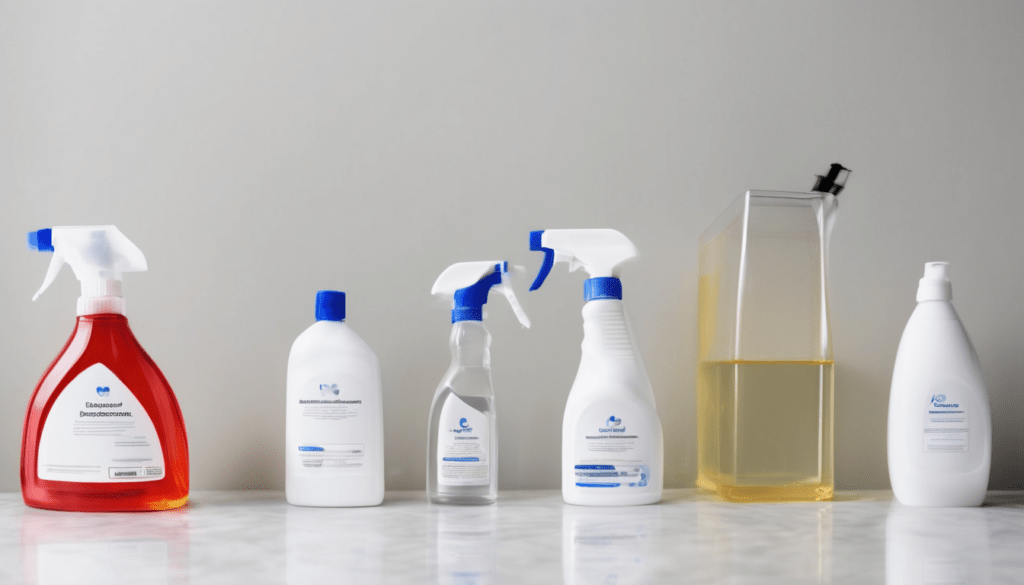
When it comes to protecting your home and family, few decisions carry more weight than selecting the right disinfectant. Chemical Disinfectants Safe for Dubai homes must do more than eliminate pathogens; they must perform reliably in extreme heat, maintain stability in humid coastal air, and remain genuinely safe for children, pets, and occupants with respiratory sensitivities. In a city where indoor environments are sealed and air-conditioned for most of the year, what you apply to surfaces directly affects the air quality your family breathes every day.
Dubai’s indoor environment creates a unique set of challenges. Temperatures outside regularly exceed 40°C during summer months, humidity levels along the coast can push past 80%, and most residences rely on continuous mechanical ventilation. These conditions influence how disinfectants behave, their volatility, their residual effect, and the speed at which they off-gas into the breathing zone.
This article compares six of the most commonly used chemical disinfectants safe for Dubai homes, evaluating each one on efficacy, safety, practicality, and suitability for different areas of the home. The goal is not to recommend a single product, but to help you match the right solution to your specific situation with confidence and clarity.
Chemical Disinfectants Safe For Dubai Homes – Why Disinfectant Choice Matters in Dubai Homes
Dubai Municipality and the UAE Ministry of Health both provide guidance on approved biocidal products. However, many residents still rely on generic or imported disinfectants without verifying their suitability for the local climate or the specific pathogens they are targeting. A product that performs adequately in a temperate climate may behave very differently at 35°C indoors.
Chemical disinfectants safe for Dubai homes need to account for several local realities. Surface materials in UAE residences often include marble, polished stone, and composite flooring that react poorly to highly acidic or alkaline solutions. Many apartments and villas also have children or elderly residents who are more sensitive to volatile organic compounds released during and after application.
Additionally, the sealed nature of air-conditioned spaces means that residual chemicals can accumulate in the indoor air at higher concentrations than they would in a naturally ventilated environment. This makes product selection and application technique equally important.
6 Chemical Disinfectants Safe for Dubai Homes Compared
The following sections analyse each disinfectant category across five criteria: broad-spectrum efficacy, indoor air safety, surface compatibility, ease of use, and relative cost in AED terms for Dubai households.
Alcohol-Based Disinfectants
Overview
Ethanol and isopropanol-based disinfectants, typically formulated at 70–80% concentration, are among the most widely available chemical disinfectants safe for Dubai homes. They are effective against bacteria, many viruses, and fungi within 30 seconds of contact on non-porous surfaces.
Pros
- Rapid kill time, effective within 30 to 60 seconds
- Evaporates cleanly without leaving significant residue
- Approved and widely available across UAE pharmacies and hypermarkets
- Suitable for high-touch surfaces including door handles, light switches, and mobile devices
Cons
- Highly flammable, a significant concern in kitchens or near gas appliances
- Evaporates quickly in Dubai’s heat, potentially before the required contact time is achieved
- No residual antimicrobial activity after drying
- Unsuitable for large surface areas due to cost and volume required
Cost range: AED 15–60 per litre depending on brand and formulation.
Quaternary Ammonium Compounds (QACs)
Overview
Quaternary ammonium compounds, often referred to as “quats,” are one of the most practical chemical disinfectants safe for Dubai homes. They are used extensively in professional disinfection services and are available in dilutable concentrate form for domestic use.
Pros
- Effective against a broad spectrum of bacteria and enveloped viruses
- Provides residual surface protection after drying
- Low odour and relatively low toxicity at recommended dilutions
- Compatible with most hard surfaces including tiles, countertops, and bathroom fittings
- Cost-effective when purchased as concentrate, AED 40–120 per litre of concentrate yields multiple litres of working solution
Cons
- Less effective against non-enveloped viruses such as norovirus without additional formulation
- Hard water in Dubai can reduce efficacy, dilution with filtered or softened water is advisable
- Requires precise dilution to avoid skin irritation or surface damage
- Some formulations may leave a film on glass or polished stone if over-applied
Sodium Hypochlorite (Bleach Solutions)
Overview
Diluted sodium hypochlorite, commonly known as household bleach, is one of the most well-documented chemical disinfectants safe for Dubai homes when used correctly. The World Health Organization recommends a 0.1% solution for general surface disinfection and 0.5% for areas with confirmed infectious contamination.
Pros
- Highly effective against bacteria, fungi, viruses, and spores
- Inexpensive and readily available, AED 5–15 per litre
- Strong evidence base supporting efficacy across multiple pathogens
- Suitable for bathroom tiles, drains, and sanitary fittings
Cons
- Degrades rapidly in heat; stability is reduced in Dubai’s warm storage conditions
- Strong chlorine odour can be problematic in sealed, air-conditioned spaces
- Corrosive to metals, marble, and coloured grout; not suitable for all surfaces in UAE homes
- Can irritate airways, particularly in individuals with asthma or respiratory conditions
- Must be freshly prepared and used within 24 hours for reliable efficacy
Hydrogen Peroxide
Overview
Stabilised hydrogen peroxide at 3–6% concentration is increasingly used as one of the chemical disinfectants safe for Dubai homes, particularly in households with chemically sensitive occupants. It breaks down into water and oxygen, leaving no toxic residue.
Pros
- Broad-spectrum efficacy including bacteria, viruses, mold spores, and fungi
- Degrades into water and oxygen, no harmful residue
- Suitable for food preparation surfaces when used at appropriate concentrations
- No strong lingering odour at domestic-use concentrations
Cons
- Can bleach fabrics, coloured grout, and certain surface coatings
- Requires longer contact time than alcohol, typically 5 to 10 minutes
- Degrades on exposure to light and heat, reducing shelf life in UAE conditions
- Higher-concentration formulations require careful handling and protective equipment
Cost range: AED 10–35 per litre for domestic-grade formulations.
Chlorine Dioxide
Overview
Chlorine dioxide is a professional-grade disinfectant used in healthcare, hospitality, and specialist residential applications. It is among the most powerful chemical disinfectants safe for Dubai homes when applied by trained technicians, particularly for post-illness or post-flood remediation scenarios.
Pros
- Extremely effective against a wide range of pathogens including mold, bacteria, viruses, and biofilm
- Penetrates porous surfaces more effectively than many alternatives
- Useful for whole-room fogging and duct system disinfection
- No chlorinated by-products at recommended concentrations
Cons
- Not suitable for unsupervised domestic use, requires professional application
- Occupants must vacate the property during and after treatment
- Higher cost, professional chlorine dioxide treatments in Dubai typically range from AED 300–900 depending on property size
- Requires specialist equipment for accurate dosing and monitoring
Plant-Derived Biocidal Products
Overview
Formulations based on thymol, citric acid, or other plant-derived active ingredients are marketed as natural alternatives among chemical disinfectants safe for Dubai homes. Several such products carry EPA or European Biocidal Products Regulation (BPR) approvals, making them credible options for low-risk domestic applications.
Pros
- Low toxicity profile, generally safe around children and pets when used as directed
- Pleasant fragrance without heavy chemical odour
- Some formulations carry verified efficacy claims against common household bacteria
- Biodegradable and environmentally considerate
Cons
- Narrower spectrum of efficacy compared to conventional disinfectants
- Not appropriate for post-illness or high-risk disinfection scenarios
- Higher cost per use compared to hypochlorite or QAC solutions
- Efficacy claims vary significantly between brands, verification of active ingredient concentration is essential
Side-by-Side Comparison Table
The table below summarises all six disinfectant types across the five key evaluation criteria. Ratings are expressed as Low, Moderate, or High for quick reference.
| Disinfectant Type | Broad-Spectrum Efficacy | Indoor Air Safety | Surface Compatibility | Ease of Use | Cost (AED) |
|---|---|---|---|---|---|
| Alcohol (70–80%) | High (bacteria, most viruses) | Moderate (flammable, volatile) | High (non-porous surfaces) | High | AED 15–60/L |
| Quaternary Ammonium (QACs) | High (bacteria, enveloped viruses) | High (low odour at dilution) | High (most hard surfaces) | Moderate | AED 40–120/L concentrate |
| Sodium Hypochlorite | Very High (broad spectrum) | Low, Moderate (strong odour, airway risk) | Low, Moderate (corrosive) | Moderate | AED 5–15/L |
| Hydrogen Peroxide (3–6%) | High (bacteria, viruses, mold) | High (no toxic residue) | Moderate (bleaching risk) | Moderate | AED 10–35/L |
| Chlorine Dioxide | Very High (including spores, biofilm) | Low (professional use only) | High (penetrates porous) | Low (requires technician) | AED 300–900 per treatment |
| Plant-Derived Biocides | Moderate (common bacteria) | Very High (child and pet safe) | High (gentle on surfaces) | High | AED 25–80/L |
This comparison helps clarify that no single product is optimal across all scenarios. The right choice depends on the level of contamination risk, the surfaces involved, and the vulnerability of the occupants present.
Matching Disinfectants to Home Areas
Understanding how to apply chemical disinfectants safe for Dubai homes across different zones makes a meaningful difference in both safety and effectiveness. The following guidance reflects common household layouts in Dubai villas and apartments.
| Home Area | Recommended Disinfectant Type | Key Consideration |
|---|---|---|
| Kitchen countertops and sinks | QACs or hydrogen peroxide | Food-safe formulation required |
| Bathrooms and toilet fittings | Sodium hypochlorite (diluted) or QACs | Ensure adequate ventilation during use |
| Children’s play areas and toys | Plant-derived biocides or QACs (rinse after) | Low-toxicity formulation essential |
| High-touch surfaces (handles, switches) | Alcohol wipes or QAC spray | Quick application, fast dry time |
| Post-illness room treatment | QACs or professional chlorine dioxide | Full room treatment, ventilate after |
| Marble and stone floors | pH-neutral QACs only | Avoid bleach, etches stone surfaces |
| HVAC components and ducts | Professional-grade disinfectant (QAC or ClO2) | Never apply domestic sprays inside ducts |
Safety Considerations for Chemical Disinfectants Safe for Dubai Homes
Beyond efficacy, the safety profile of any disinfectant used inside a sealed, air-conditioned Dubai home deserves careful attention. Poor ventilation combined with aggressive chemical use can result in elevated concentrations of volatile compounds indoors, which may cause headaches, airway irritation, or longer-term respiratory sensitivity.
The following principles apply to all chemical disinfectants safe for Dubai homes regardless of product type:
- Always open windows and activate exhaust ventilation during and immediately after application
- Allow surfaces to dry completely before allowing children or pets back into the space
- Store all disinfectant products away from direct sunlight and heat, Dubai’s storage conditions can degrade active ingredients rapidly
- Never mix disinfectants, combining bleach and ammonia-based products generates toxic chloramine gas
- Check expiry dates regularly, as heat accelerates product degradation
- Use personal protective equipment including gloves and, where indicated, eye protection
Dubai Municipality’s environmental health regulations require that any biocidal product used in commercial or professional settings carries valid registration. For domestic use, selecting products registered with UAE or internationally recognised regulatory bodies, such as the European BPR or the US EPA, provides a reliable baseline of safety assurance.
Verdict and Practical Recommendations
After comparing all six disinfectant categories, the following recommendations reflect what works best for most Dubai households in practical, everyday terms.
For routine daily or weekly disinfection, quaternary ammonium compounds represent the most balanced option among chemical disinfectants safe for Dubai homes. They offer broad-spectrum efficacy, good surface compatibility, residual protection, and a manageable safety profile when used at the correct dilution. Given Dubai’s hard water supply, diluting concentrates with filtered water improves performance noticeably.
For quick spot disinfection of high-touch surfaces, alcohol-based wipes or sprays at 70% concentration remain the most practical tool. Their rapid action and clean evaporation make them ideal for door handles, bathroom taps, remote controls, and mobile devices; provided they are applied in a well-ventilated space.
For kitchens and food preparation zones, hydrogen peroxide at 3% is the most appropriate choice given its clean breakdown profile and food-safe characteristics. It avoids the bleaching risk of hypochlorite and the film-forming tendency of some QAC formulations.
For households with young children, elderly residents, or occupants with asthma or chemical sensitivities, plant-derived biocidal products are appropriate for low-risk daily maintenance. They should be supplemented with a professional QAC or chlorine dioxide treatment in the event of illness or confirmed contamination.
For post-illness disinfection or known pathogen exposure, engaging a professional home disinfection service in Dubai is the most reliable course of action. Professional technicians carry validated products, apply correct contact times, and document outcomes in ways that are not achievable through DIY methods alone.
Ultimately, no single product defines effective disinfection. Selecting chemical disinfectants safe for Dubai homes is a decision that should account for the specific area, the level of risk, and the people living in the space. Used correctly and proportionately, disinfectants are a genuinely valuable tool for maintaining a healthy indoor environment. Used carelessly or without understanding, they can introduce new risks rather than reducing existing ones. The difference lies in knowledge, not product price.