Split AC Vs Central AC Cleaning: Key Differences Guide
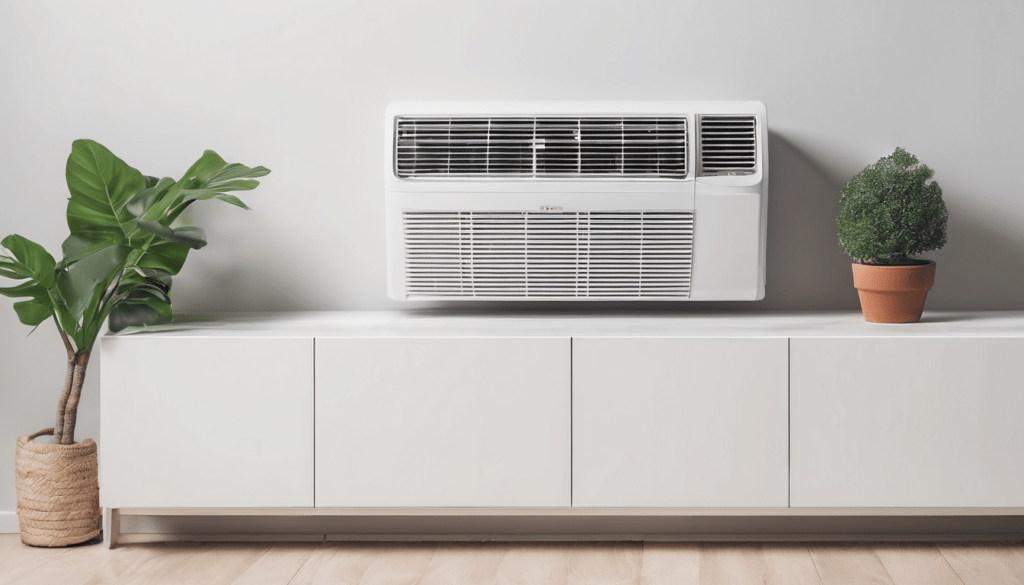
If you manage a villa in Jumeirah or oversee a commercial tower in Business Bay, understanding the Split AC vs Central AC Cleaning: Key Differences is not optional. It is foundational to maintaining indoor air quality and protecting your investment. These two system types operate differently, accumulate contamination differently, and require entirely distinct cleaning methods, tools, and service frequencies.
In Dubai and across the UAE, both system types are under constant strain. Ambient temperatures regularly exceed 40°C, humidity spikes along coastal areas, and fine desert dust infiltrates buildings year-round. This environment accelerates contamination inside AC systems faster than in most other climates. Choosing the wrong cleaning approach, or skipping service entirely, leads to reduced cooling efficiency, microbial growth, and poor indoor air quality that affects occupant health directly.
This article provides a structured, objective comparison of split AC cleaning and central AC cleaning. It covers access and complexity, contamination types, cleaning methods, service costs in AED, and recommended maintenance schedules. Whether you are a homeowner, facility manager, or HVAC consultant, understanding these differences will help you plan smarter and spend more wisely.
Split Ac Vs Central Ac Cleaning: Key Differences – System Overview: How Each Type Works
A split AC system consists of two units: an indoor evaporator unit mounted on the wall or ceiling, and an outdoor compressor unit. Air circulates within a single room or zone. The indoor unit draws in room air, passes it over the evaporator coil, and returns cooled air to the space. No ductwork is involved in most standard residential split systems.
Central AC systems, by contrast, distribute conditioned air throughout an entire building via a network of supply and return ducts. A centralised air handling unit (AHU) conditions the air, which is then pushed through ductwork to individual rooms or zones. These systems are common in apartment buildings, hotels, hospitals, and large commercial spaces across Dubai and Abu Dhabi.
This fundamental structural difference is the starting point for understanding split AC vs central AC cleaning key differences. One system is localised and relatively accessible. The other is distributed, complex, and often hidden within ceilings, walls, and shafts.
Split AC Access
Split AC units are straightforward to access. The indoor unit is wall-mounted or suspended, and most components, including the filter, evaporator coil, blower wheel, and drain pan, can be reached without disassembly beyond removing the front panel. A trained technician can complete a thorough cleaning in 45 to 90 minutes per unit.
The outdoor compressor unit requires its own attention, including coil cleaning and checking refrigerant lines, but access is generally uncomplicated in villas and low-rise buildings. In high-rise residential towers, outdoor unit access may require safety equipment and additional time.
Central AC Access
Central AC cleaning is significantly more complex. The AHU itself is one component, but the ductwork spans the entire building. Access panels may be limited or poorly positioned. In older buildings across Deira, Sharjah, or Ajman, duct access points are sometimes absent entirely, requiring temporary openings to be cut and sealed after service.
Technicians must work in confined spaces, navigate around structural elements, and use specialised robotic or extended-reach equipment to reach deep contamination inside ducts. A full central AC duct cleaning for a medium-sized commercial space can take one to three days depending on the duct network size and condition.
Split Ac Vs Central Ac Cleaning: Key Differences – Contamination Types and Where They Accumulate
Both system types accumulate dust, biological matter, and moisture-related contamination. However, the location and scale of contamination differ significantly between the two.
| Contamination Type | Split AC System | Central AC System |
|---|---|---|
| Dust and particulates | Filter, evaporator coil, blower wheel | AHU filters, duct interiors, supply grilles |
| Mold and fungi | Drain pan, evaporator coil surface | AHU casing, duct lining, return plenums |
| Bacteria | Drain line, coil biofilm | Cooling coils, humidifiers, drain trays |
| Insect debris | Blower area, indoor unit casing | Return air grilles, large duct sections |
| Desert sand and fine dust | Filter and coil surface | Throughout the duct network |
The table above illustrates how contamination in split systems is concentrated in a small number of accessible components, while central systems distribute contamination across a much larger surface area and volume. This has a direct bearing on cleaning time, method, and cost.
Split AC Cleaning Methods
Split AC cleaning follows a defined sequence. Filters are removed and washed. The evaporator coil is treated with a foam or liquid coil cleaner to dissolve dust and biofilm. The blower wheel, one of the most commonly neglected components, is cleaned using brushes and controlled water rinsing. The drain pan and drain line are flushed and disinfected to prevent blockages and microbial growth.
Disinfection of the indoor unit interior, including the coil and housing surfaces, is applied using EPA-registered or equivalent antimicrobial agents. This is particularly important in Dubai’s humid coastal areas where biological growth accelerates on damp coil surfaces. The entire process is contained within or immediately around the indoor unit.
Central AC Cleaning Methods
Central AC duct cleaning requires mechanical agitation combined with negative pressure extraction. Technicians use rotary brushes, compressed air whips, or robotic cleaning tools to dislodge accumulated material inside ducts. A high-powered vacuum unit, often truck-mounted or industrial grade, maintains negative pressure to prevent loosened debris from dispersing into occupied spaces.
AHU cleaning involves accessing the unit casing, removing and cleaning or replacing filter media, cleaning cooling coils using appropriate chemical agents, and disinfecting internal surfaces. Drain pans and condensate systems are descaled and treated. In healthcare or hospitality settings, post-cleaning air sampling may be conducted to verify cleanliness and contamination reduction.
Duct lining inspection and, where necessary, antimicrobial coating application adds a further layer of protection in central systems operating in high-humidity environments. This is a step not required in split systems.
Service Costs in Dubai and the UAE
Cost is one of the most practical split AC vs central AC cleaning key differences for property owners and facility managers to understand. The price range reflects the difference in scope, labour, time, and equipment required.
| Service Type | Typical Cost Range (AED) | Estimated Duration |
|---|---|---|
| Split AC unit cleaning (single unit) | AED 150, AED 350 | 45 – 90 minutes |
| Split AC deep cleaning with disinfection | AED 300, AED 500 | 90 – 120 minutes |
| Central AC AHU cleaning (single unit) | AED 1,500, AED 4,000 | 4 – 8 hours |
| Central AC duct cleaning (per villa/apartment) | AED 1,200, AED 3,500 | 4 – 12 hours |
| Full central AC system service (commercial) | AED 5,000, AED 25,000+ | 1 – 3 days |
These figures represent typical market ranges in Dubai and across the UAE. Actual pricing varies based on system size, accessibility, level of contamination, and whether post-cleaning verification testing is included. It is worth noting that the cost of neglecting central AC cleaning far exceeds the service cost when factoring in energy inefficiency, equipment damage, and occupant health impacts.
Frequency recommendations differ considerably when comparing split AC vs central AC cleaning key differences. The logic behind each schedule is rooted in how quickly contamination accumulates and where it poses the greatest risk.
Split AC Frequency
In Dubai’s climate, split AC filters should be cleaned every four to six weeks during peak cooling season, which spans roughly April through October. A full unit cleaning including coil, blower wheel, and drain pan should be conducted every three to four months for units in continuous use. Annual deep cleaning with disinfection is the minimum standard for residential units used seasonally.
Central AC Frequency
Central AC systems require AHU filter inspection and replacement on a monthly to quarterly basis depending on the building environment. Full duct cleaning is typically recommended every two to three years for commercial spaces and every three to five years for well-maintained residential buildings. However, post-construction cleaning, post-renovation cleaning, and cleaning following any contamination event should be conducted regardless of the standard schedule.
Buildings with higher occupancy, food preparation areas, healthcare environments, or known mold history require more frequent intervention. Dubai Municipality guidelines reinforce the importance of maintaining air handling systems to acceptable hygiene standards, particularly in public-facing commercial buildings.
Health and Indoor Air Quality Impact
From an indoor air quality perspective, both system types can become vectors for airborne contaminants if poorly maintained. The scale of impact, however, differs significantly.
A neglected split AC unit affects the air quality in one room or zone. Occupants in that room may experience symptoms including nasal irritation, coughing, or musty odours. The impact, while real, is contained.
A contaminated central AC system distributes pollutants throughout the entire building. Mold spores, bacteria, and fine particulates travel through every supply duct and exit through every grille. In a residential tower, hotel, or office building, this means every occupant is exposed simultaneously. This is why the split AC vs central AC cleaning key differences in scope and consequence are so significant for facility managers and building owners.
Children, elderly residents, and individuals with respiratory conditions or compromised immune systems face the greatest health risk from poorly maintained systems of both types. In Dubai’s residential communities, where buildings often house families in close proximity, this responsibility carries additional weight.
Split AC vs Central AC Cleaning: Verdict and Recommendations
There is no single approach that fits both system types. The split AC vs central AC cleaning key differences demand tailored strategies, appropriate tools, qualified technicians, and realistic service budgets. Understanding these distinctions protects occupant health, preserves equipment life, and supports long-term building performance.
For Split AC Owners
- Clean filters every four to six weeks during heavy use periods
- Schedule full unit cleaning including blower wheel and drain pan every three to four months
- Include disinfection at least once per year or following any musty odour or visible contamination
- Do not limit service to filter cleaning alone, as coil and blower contamination is the primary source of air quality degradation
For Central AC Building Managers
- Establish a documented AHU maintenance schedule with monthly filter inspections
- Plan duct cleaning every two to three years minimum, with verification testing where occupant health is a priority
- Engage qualified contractors who use mechanical agitation combined with negative pressure extraction
- Ensure post-cleaning documentation is provided as part of the service scope
- Budget appropriately, as undersized budgets lead to partial cleaning that delivers limited results
Both system types reward consistent, evidence-based maintenance. In Dubai’s demanding climate, the question is never whether cleaning is necessary. The question is whether the right approach is being applied to the right system at the right interval. Understanding the split AC vs central AC cleaning key differences is the first step toward answering that question correctly.