Understanding The Risks Of Poorly Cleaned Air Conditioners
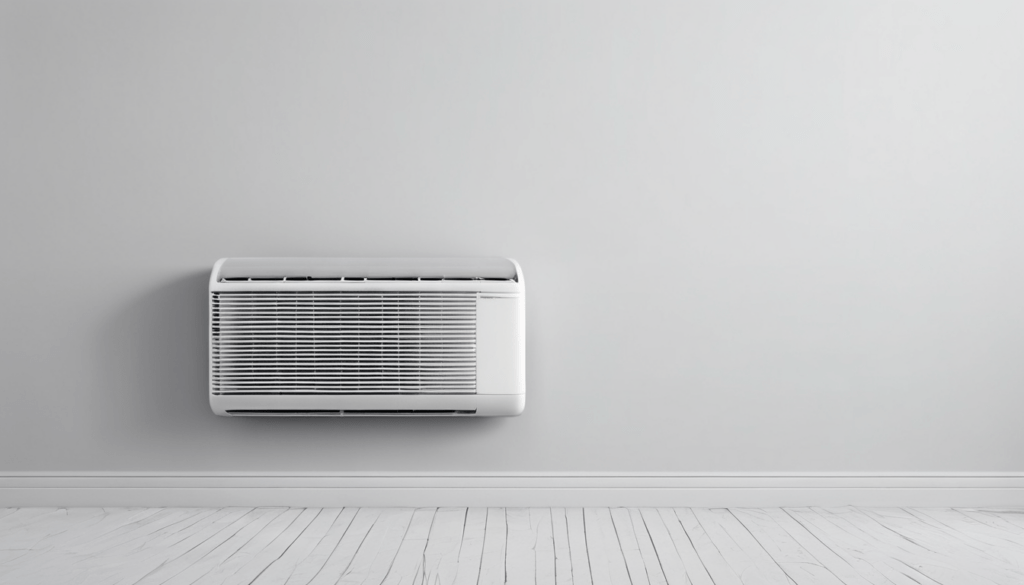
Understanding The Risks Of Poorly Cleaned Air Conditioners – Why Clean Air Conditioners?
Understanding the risks of poorly cleaned air conditioners is crucial for maintaining a healthy indoor environment. Dirty AC units can harbor bacteria, mold, and other harmful microorganisms that can impact your health. Regular cleaning ensures optimal performance, energy efficiency, and longevity of your system.
Understanding The Risks Of Poorly Cleaned Air Conditioners – Risks of Poor AC Cleaning
Poorly cleaned air conditioners pose several risks to the occupants of a building or home:
- Microbial Growth: Damp and dusty environments in HVAC systems can promote mold, bacteria, and fungi growth.
- Airborne Contaminants: Microbes released from AC systems can spread throughout the indoor environment via air currents.
- Allergic Reactions and Asthma Triggers: Exposure to allergens from poorly maintained AC units can exacerbate allergies and asthma symptoms.
- Odors and Unpleasant Air Quality: Accumulated dust, mold spores, and unpleasant odors can contaminate the air you breathe.
- System Deterioration: Over time, dirt and debris build up in AC components, leading to reduced efficiency and potential damage.
Understanding The Risks Of Poorly Cleaned Air Conditioners – Symptoms to Watch For
Recognizing the signs of a poorly maintained air conditioner can help you take timely action:
- Coughing or Sneezing: Frequent sneezing and coughing may indicate exposure to airborne allergens.
- Nasal Congestion or Runny Nose: These symptoms are common when dealing with indoor air pollution from AC systems.
- Skin Irritation or Rashes: Individuals with sensitive skin might experience rashes or itchy sensations due to exposure to allergens.
- Asthma Attacks or Wheezing: People with asthma may face increased risk of attacks when exposed to mold spores and other contaminants.
Prevention Strategies
To mitigate the risks associated with poorly cleaned air conditioners, consider implementing these prevention strategies:
- Regular Maintenance: Schedule professional AC cleaning and disinfection services every six to twelve months.
- Frequent Filter Replacement: Change filters according to manufacturer guidelines to prevent clogging and ensure proper airflow.
- Dry the System: Ensure the system is adequately dehumidified during operation to prevent moisture buildup in ducts and coils.
- Clean Visible Areas Regularly: Dust or wipe down visible parts of the AC unit and vents to reduce dust accumulation.
Choosing the Right Service
Look for providers who:
- Have Professional Qualifications: Ensure they are certified and experienced in HVAC systems.
- Use Safe Methods: Employ non-toxic, environmentally friendly cleaning agents to avoid introducing harmful chemicals into the environment.
- Offer Comprehensive Services: Provide a thorough inspection of all components and offer tailored solutions based on findings.
- Have Good Reviews: Check online reviews from previous clients for reliable feedback on their service quality.
What You Need to Know About Mold in HVAC Systems
Mold growth is a significant risk associated with poorly maintained air conditioners. Understanding the impact of mold:
- Health Risks: Mold spores can cause respiratory issues, allergies, and exacerbate asthma symptoms.
- Prevention: Regular cleaning and proper ventilation are crucial in preventing mold growth.
- Mitigation Techniques: If mold is detected, use appropriate techniques to remove it safely without damaging the system.
Step-by-Step Guide: Preparation for AC Duct Cleaning
To prepare your home or office for AC Duct Cleaning, follow these steps:
- Turn Off the System: Ensure the air conditioner is off to prevent damage during the cleaning process.
- Cover Valves and Ducts: Use plastic sheeting or covers to protect delicate components from water or debris.
- Remove Furniture: Move furniture away from vents and registers if possible, to allow access for the cleaning team.
- Close Doors and Windows: Minimize air movement by closing doors and windows during the cleaning session.
Expert Tips for Effective AC Cleaning
To ensure effective and safe AC cleaning, consider these expert tips:
- Choose High-Quality Filters: Replace or clean filters regularly to maintain optimal air quality.
- Clean Visible Components: Dust and wipe down visible parts of the AC unit and vents for a thorough cleaning.
- Monitor Humidity Levels: Maintain proper humidity levels within the HVAC system to prevent moisture buildup that can lead to mold growth.
Frequently Asked Questions (FAQs)
Here are answers to some common questions about AC cleaning and maintenance:
- Q: How often should I clean my air conditioner?
A: It is recommended to clean your air conditioner every six to twelve months, or sooner if you notice issues. - Q: Can DIY AC cleaning save money?
A: While DIY methods can be cheaper, professional services offer a more thorough and safe approach. - Q: How much does AC duct cleaning cost in Dubai?
A: The cost of AC duct cleaning varies based on the size of your system and the extent of the work required. On average, it ranges from AED 1,000 to AED 3,000.
Conclusion
By understanding the risks associated with poorly cleaned AC units, you can take proactive steps to ensure optimal performance and reduce potential health hazards. Consult with professional HVAC service providers in Dubai to safeguard your home or office from harmful contaminants.