10 Practical Tips to Prevent Mold Causes in Dubai Homes
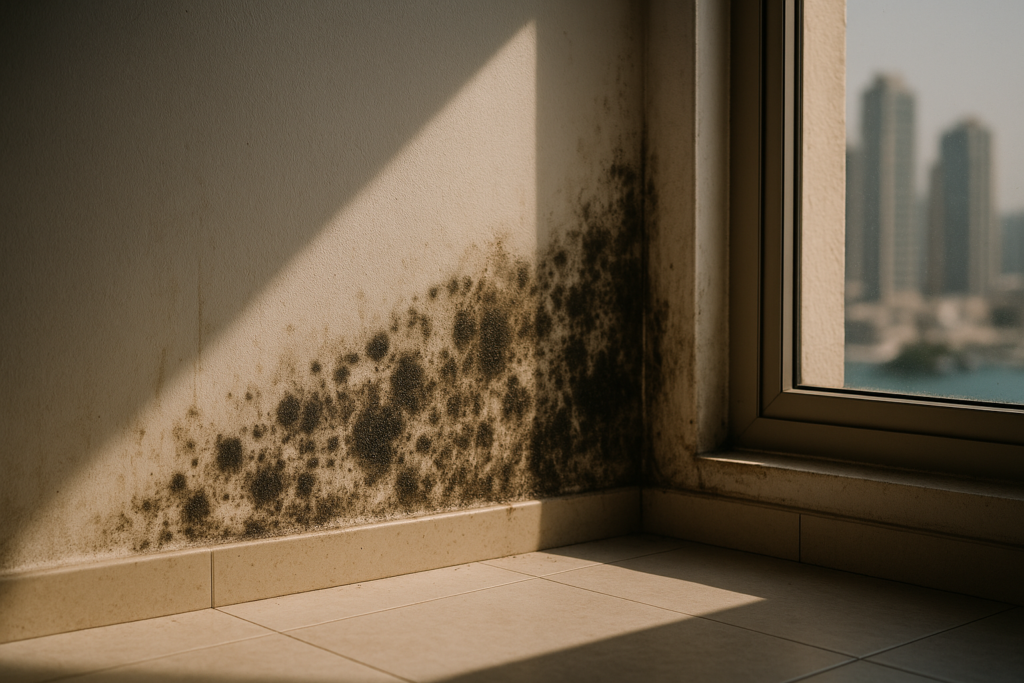
Table of Contents
Understanding Mold Causes in Dubai Homes
Mold causes in Dubai homes are often linked to a combination of environmental conditions, structural vulnerabilities, and lifestyle habits specific to the region. As an arid city with occasional humidity spikes, Dubai presents unique challenges. Understanding these mold causes in Dubai homes is the first step toward effective prevention.
The presence of mold results from moisture buildup, which provides the ideal environment for fungal growth. In Dubai’s climate, brief but intense humidity following rare rains or leaks can trigger mold growth if unchecked. Many residential properties in Dubai also experience internal moisture generation from cooking, showering, and air conditioning condensation—common sources contributing to mold causes in Dubai homes.
Common Environmental Factors Contributing to Mold Growth
Several key environmental factors contribute specifically to mold causes in Dubai homes:
- Humidity spikes: While Dubai is predominantly dry, coastal areas like Dubai Marina and Jumeirah occasionally experience humid weather, raising the indoor moisture level.
- Poor ventilation: Modern, sealed buildings can trap moisture inside without adequate airflow.
- Water leaks and seepage: Plumbing issues or faulty waterproofing can cause unseen dampness inside walls or ceilings.
- Condensation buildup: Air conditioning units, common in Dubai homes, often produce condensation that if not properly drained, fosters mold growth.
Recognizing these environmental contributors enables homeowners to target mold causes in Dubai homes more efficiently.
Structural Issues That Lead to Mold Causes in Dubai Homes
Aside from external environment, structural defects in Dubai homes can greatly impact mold causes in Dubai homes. Key structural trouble spots include:
- Inadequate waterproofing: Many mid-rise residential buildings in areas like Business Bay or Downtown Dubai may suffer from poor waterproofing, especially if constructed before modern Dubai Municipality standards.
- Faulty drainage systems: Blocked or improperly installed drainage can cause water pooling.
- Cracks in walls and foundations: Even minor cracks allow water intrusion, which can be exacerbated by Dubai’s winter humidity and occasional rainstorms.
- Improper insulation: Lack of proper thermal barriers may cause condensation between interior walls.
Resident vigilance and timely repairs of these structural issues directly reduce mold causes in Dubai homes.
Daily Practices to Minimize Mold Causes in Dubai Homes
Implementing practical daily habits can curb mold causes in Dubai homes effectively. These include:
- Regularly airing out rooms: Open windows or use exhaust fans in kitchens and bathrooms to reduce indoor moisture.
- Wiping down wet surfaces: Prompt drying of areas like bathroom tiles, kitchen counters, and window sills prevents mold spores from settling.
- Avoid drying clothes indoors: Indoor drying elevates humidity and provides mold growth medium.
- Control indoor plants: Excessive moisture around houseplants can promote mold in soil and nearby surfaces.
- Maintain air conditioning units: Clean filters and ensure drainage lines are free-flowing to prevent condensation accumulation.
These small adjustments can statistically reduce mold causes in Dubai homes and improve indoor air quality.
How to Control Humidity Effectively in Dubai Homes
Humidity control plays a pivotal role in preventing mold causes in Dubai homes. Effective measures include:
- Using dehumidifiers: Deploy dehumidifiers in basements or rooms prone to dampness, especially in low-ventilation spaces.
- Optimizing air conditioning settings: Adjust units to maintain relative humidity levels between 40-60%.
- Installing moisture barriers: Use vapor barriers during renovations or construction in areas like bathrooms to block humidity transfer.
- Regularly monitoring humidity: Use hygrometers to track indoor humidity levels and avoid reaching thresholds conducive to mold.
Controlled humidity is a fundamental defense against mold causes in Dubai homes, particularly in older buildings requiring retrofits.
Importance of Regular Inspections and Maintenance
Another critical aspect in managing mold causes in Dubai homes is routine inspection and maintenance:
- Schedule annual plumbing checks: Plumbing leaks often remain hidden until mold becomes visible.
- Check roofing and drainage before and after rainy seasons: Prevent water ingress through early repair.
- Inspect air conditioning systems: Professional servicing ensures drainage and filtration remain effective.
- Look for signs of mold early: Musty odors, discoloration, or damp spots indicate potential mold causes in Dubai homes.
These routine steps assist homeowners in nipping mold problems in the bud, saving health risks and repair costs while proactively tackling mold causes in Dubai homes.
Smart Ventilation Strategies to Prevent Mold
Ventilation is a cornerstone in addressing mold causes in Dubai homes due to the city’s sealed construction styles. Strategies include:
- Mechanical ventilation systems: Install exhaust fans and air exchangers in kitchens and bathrooms.
- Cross-ventilation: Plan window use to create airflow, especially in areas like Dubai Marina and Arabian Ranches where temperatures allow.
- Use of timed ventilation: Automated fans operating during peak humidity hours reduce moisture build-up.
- Ensure unobstructed vents: Do not block HVAC vents or air bricks reducing airflow.
Effective ventilation is a proven method to counteract mold causes in Dubai homes, ensuring healthier indoor environments for all residents.
Choosing the Right Building Materials for Mold Prevention
Material choice during construction or renovation directly influences mold causes in Dubai homes. Opt for:
- Mold-resistant drywall and paints: Widely available in Dubai, these products are designed to withstand moisture.
- Closed cell insulation: Reduces permeable air pockets that trap humidity.
- Waterproof membranes: Use beneath tiles in bathrooms and kitchens to prevent seepage.
- Composite materials and treated wood: Resistant to decay and fungal growth compared to untreated timber.
Professional Mold Removal and Damp Proofing in Dubai
When mold causes in Dubai homes have progressed, professional remediation is key. Experts use specialized techniques for safe mold removal, including containment, air filtration, and disinfectants. Damp proofing treatments applied to walls and foundations prevent moisture penetration long term, targeting recurring mold causes in Dubai homes.
For Dubai residents, trusted services like Saniservice Dubai offer targeted mold remediation and prevention tailored for local conditions. Additionally, trusted local informational resources, such as our mould remediation service, provide guidance on mold identification and control measures relevant to Dubai’s climate and building styles, helping residents address mold causes in Dubai homes effectively.
Conclusion & Call to Action
Preventing mold causes in Dubai homes requires a multifaceted approach combining environmental awareness, structural vigilance, and practical daily actions. By controlling humidity, ensuring proper ventilation, maintaining plumbing, and using appropriate building materials, Dubai residents can significantly reduce the health risks and property damage associated with mold causes in Dubai homes.
Take proactive steps today: inspect your home regularly, address leaks immediately, and consult professional services like Saniservice Dubai for expert help with mold remediation. Protect your indoor environment to enjoy a healthier, mold-free Dubai home year-round, staying vigilant against mold causes in Dubai homes at all times.
Understanding the Primary Mold Causes in Dubai Homes
Mold growth inside residential properties is a persistent issue in many urban environments, and Dubai is no exception. Due to the unique climate and lifestyle factors prevalent in the city, understanding the specific mold causes in Dubai homes is vital to maintaining a healthy and safe living space. While many might associate mold primarily with damp regions, the conditions that foster mold growth in Dubai differ significantly from more humid or temperate climates. The combination of an arid desert environment, intense heat, and rapid urban development creates particular challenges for homeowners and property managers in the city, putting Dubai residents at risk for mold causes in Dubai homes if precautions are not followed.
Humidity and Condensation: The Hidden Triggers
Although Dubai experiences an overall dry climate, localized moisture pockets within homes contribute heavily to mold problems. Indoor humidity levels can fluctuate dramatically due to activities such as cooking, showering, and using air conditioning systems, which are frequent mold causes in Dubai homes. When moisture from these activities is trapped in poorly ventilated spaces, condensation tends to form on walls, windows, and ceilings, making mold causes in Dubai homes more likely. This condensation provides an ideal breeding ground for mold spores, which thrive on damp surfaces.
Apartment units in high-density developments like Dubai Marina or Downtown Dubai often face difficulties in adequate air exchange, especially if windows remain sealed due to outside heat or pollution. Stagnant indoor air circulation further worsens moisture retention. Kitchens and bathrooms, where water use is high, are typical hotspots for condensation-related mold growth and hidden mold causes in Dubai homes.
The role of air conditioning in moisture control is paradoxical. While AC units are essential for comfort in Dubai’s soaring temperatures, improperly maintained or oversized units can aggravate mold issues. When the system fails to dehumidify air effectively or leaks water through condensation drip pans or ducts, hidden dampness can develop behind walls and inside ceiling voids undetected for long periods, contributing to mold causes in Dubai homes.
Structural and Building Material Factors
The rapid pace of construction and the demand for affordable housing in Dubai sometimes result in compromised building practices which indirectly contribute to mold proliferation. Deficiencies such as:
- Poor waterproofing during construction phases, creating opportunities for mold causes in Dubai homes,
- Inadequate sealing of windows and external joints that permit unwanted moisture intrusion and increase mold causes in Dubai homes,
- Use of porous or low-quality building materials unconsciously reinforces the risk of mold causes in Dubai homes,
can allow moisture intrusion from outside, especially during the rare but sometimes intense rainstorms in winter in Dubai.
Foundation dampness is another invisible issue. Many villas or low-rise buildings in Nad Al Sheba or Arabian Ranches sit on limestone or sandy soil prone to moisture retention. Without proper damp-proof membranes or moisture barriers installed by contractors adhering to Dubai Municipality standards, ground moisture wicks into walls and floors, fostering mold causes in Dubai homes.
Additionally, water leaks from domestic plumbing faults or roof leaks remain common causes of mold outbreaks and ongoing mold causes in Dubai homes. Even minor pipe drips behind cabinetry or under flooring can saturate materials unnoticed until mold is visibly evident due to prolonged mold causes in Dubai homes.
Environmental and Lifestyle Considerations
While the external desert environment is mostly dry, Dubai experiences high humidity during the summer nights when sea breezes from the Arabian Gulf bring moisture inland. These climatic patterns can result in sudden high indoor moisture, especially in beachfront communities like Palm Jumeirah or Jumeirah Beach Residence, thus contributing to mold causes in Dubai homes.
Indoor plant over-watering and the use of decorative water features are lifestyle factors sometimes overlooked yet contributing to mold growth. Excessive watering increases relative humidity, especially in enclosed spaces. Similarly, drying wet clothes indoors without proper ventilation traps moisture, enhancing the risk of mold causes in Dubai homes.
Dubai residents’ preference for tightly sealed homes or apartments, intended to keep out dust and heat, inadvertently reduces natural ventilation. This tight sealing traps moisture indoors, compounding the humidity problem and fostering mold causes in Dubai homes.
Key Mold Causes in Dubai Homes: A Summary List
To clearly identify the common contributors to mold problems in Dubai residences, consider the following list of common mold causes in Dubai homes:
- Elevated indoor humidity from cooking, bathing, and laundry activities, recognized as major mold causes in Dubai homes.
- Poor ventilation and airtight windows limiting air circulation, another main route for mold causes in Dubai homes.
- Inadequate maintenance or malfunction of air conditioning units, often leading to unseen mold causes in Dubai homes.
- Construction flaws including leaky roofs, poorly sealed windows, and lack of waterproofing—consistent sources of mold causes in Dubai homes.
- Ground moisture intrusion due to the local soil composition and foundation issues, which are key mold causes in Dubai homes.
- Undetected leaks in plumbing systems or water supply pipes, hidden but repeated mold causes in Dubai homes.
- Environmental humidity spikes during summer nights and monsoon effects, typical of mold causes in Dubai homes during specific seasons.
- Lifestyle habits such as indoor drying of clothes or dense indoor foliage, direct yet preventable mold causes in Dubai homes.
Understanding these factors collectively highlights why mold is not just a consequence of external weather but also the microclimate and construction quality within Dubai homes and the multiple mold causes in Dubai homes that require attention.
For instance, compliance with Dubai Green Building Regulations mandates attention to thermal insulation, vapor barriers, and moisture-resistant materials, which help prevent mold causes in Dubai homes. The Dubai Health Authority (DHA) also maintains guidelines for residential environmental health, emphasizing humidity control and indoor air quality—both closely tied to reducing mold causes in Dubai homes.
Homeowners and landlords in Dubai are encouraged to follow these local regulations and regularly inspect their properties for signs of water damage or mold growth to ensure compliance and safeguard residents’ health by mitigating mold causes in Dubai homes.
By recognizing the unique environmental and structural challenges that encourage mold growth, property owners in Dubai can take targeted action. Regular maintenance of air conditioning systems, ensuring adequate ventilation, sealing leaks promptly, and adhering to Dubai Municipality standards are crucial steps in combating the often-overlooked mold causes in Dubai homes. Proactive management not only preserves the integrity and value of properties but also protects the health and wellbeing of inhabitants in Dubai’s demanding climate by minimizing mold causes in Dubai homes.