10 Revealing Signs of Mold in Dubai Homes You Should Never Ignore
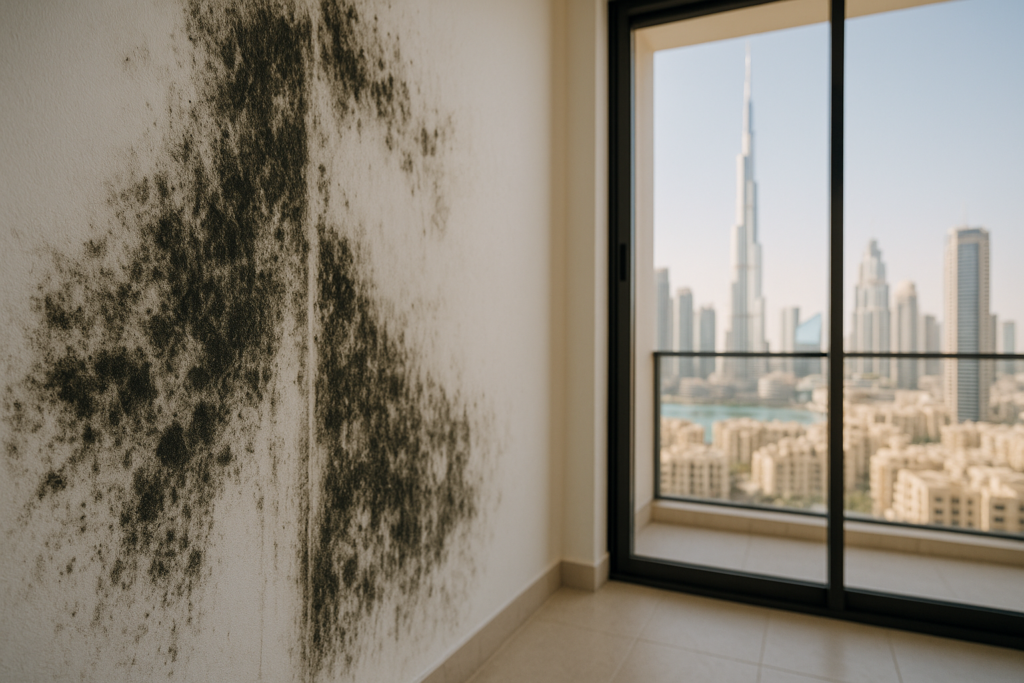
Common Signs of Mold in Dubai Homes
Mold in Dubai homes can manifest in many subtle and overt ways. Recognizing the early warning signs of mold in Dubai homes is crucial to prevent expensive damage and health risks. The climate in Dubai, with its unique humidity cycles, can contribute to mold in Dubai homes, especially in poorly ventilated or water-damaged properties.
Here are the ten revealing signs that mold in Dubai homes has taken hold:
- Musty Odors: A persistent damp, earthy, or stale smell often indicates mold presence, even if you cannot see it.
- Visible Spots: Discolored patches on walls, ceilings, or corners ranging from black, green, brown to white.
- Water Damage Marks: Stains or bubbles on paint and wallpaper may signal leaks that encourage mold in Dubai homes.
- Peeling Paint or Wallpaper: Mold can cause adhesives or paint to loosen and peel away from surfaces.
- Increased Humidity Levels: High indoor humidity, especially above 60%, creates a favorable environment for mold in Dubai homes.
- Condensation on Windows or Pipes: Frequent moisture buildup can promote microbial growth behind surfaces.
- Health Symptoms: Allergic reactions, worsening asthma, or unexplained respiratory issues among household members can signal mold in Dubai homes.
- Rotten Wood or Soft Spots: Structural materials weakened by mold infestation often feel spongy or crumbly.
- Musty Odor in HVAC Systems: Mold spores can accumulate inside air conditioners common in Dubai homes, spreading spores.
- Rust or Corrosion on Metal Fixtures: Elevated moisture levels encouraging mold may also lead to rust on indoor metal fittings.
Health Effects of Mold in Dubai Homes
Mold in Dubai homes not only threatens the property but has significant implications for occupant health. The Dubai Health Authority (DHA) emphasizes awareness of health risks from mold in Dubai homes due to the localized climate and urban lifestyle.
Common health effects include:
- Allergic Reactions: Sneezing, skin rashes, and red or itchy eyes are typical responses to mold spores from mold in Dubai homes.
- Respiratory Issues: Exposure can worsen asthma, bronchitis, and cause coughing or wheezing for those living with mold in Dubai homes.
- Sinus Problems: Persistent congestion and sinus infections are linked to indoor mold in Dubai homes.
- Fatigue and Headaches: Some people report chronic fatigue or headaches associated with mold in Dubai homes.
- Infections in Vulnerable Individuals: Immunocompromised residents or children in Dubai homes with mold can face severe complications.
These health issues underline why it is vital for Dubai homeowners to promptly detect and address mold in Dubai homes.
Causes of Mold in Dubai Homes
Understanding what causes mold in Dubai homes helps in formulating effective prevention strategies. Despite Dubai’s arid climate, indoor environments may still become affected by mold in Dubai homes due to specific factors:
Humidity and Moisture Sources
Air conditioning units often create cooler indoor climates but also condensate water, leading to pockets of humidity that foster mold in Dubai homes. Poor ventilation in high-rise apartments, especially in areas like Dubai Marina or Business Bay, traps moisture indoors, raising the risk of mold in Dubai homes.
Water Leaks and Flooding
Leaks in plumbing, roofs, or exterior walls, common in aging buildings or after rainfall, contribute to persistent dampness, facilitating mold in Dubai homes.
Poor Building Materials and Construction
Substandard materials or improper construction practices can allow water ingress and mold-friendly environments to develop, particularly in some older developments in Downtown Dubai or Nad Al Sheba, which then results in mold in Dubai homes.
Lack of Regular Maintenance
Ignoring necessary upkeep such as sealing cracks, fixing HVAC systems, or repairing broken pipes often leads to unchecked moisture accumulation, ultimately increasing mold in Dubai homes.
Tips for Detecting Mold in Dubai Homes
Early detection of mold in Dubai homes is critical to avoid costly remediation and health hazards. Here are some actionable tips to help you identify mold in Dubai homes:
- Regular Home Inspections: Check vulnerable areas like bathrooms, kitchens, basements, and near HVAC vents for signs of dampness or discoloration, which may indicate mold in Dubai homes.
- Use a Moisture Meter: This tool helps identify hidden damp spots behind walls or under floors before mold in Dubai homes develops.
- Monitor Indoor Humidity: Keeping humidity levels below 60% using dehumidifiers and air conditioners can limit mold in Dubai homes.
- Be Alert to Musty Smells: Persistent odors without visible cause often hint at hidden mold in Dubai homes.
- Watch for Health Symptoms: Notice if family members experience recurrent allergies or respiratory symptoms that improve when away from home, as mold in Dubai homes can be the cause.
Conducting periodic checks and addressing issues promptly can significantly reduce the risk and impact of mold in Dubai homes.
Effective Prevention Methods
Preventing mold in Dubai homes involves proactive measures tailored to the unique local environment. Staying vigilant about potential causes can greatly reduce the chances of developing mold in Dubai homes.
Control Humidity and Ventilation
- Use air conditioning and dehumidifiers efficiently, especially during Dubai’s humid months, to deter mold in Dubai homes.
- Ensure proper ventilation in bathrooms, kitchens, and laundry areas by installing exhaust fans. Improved airflow counters mold in Dubai homes.
- Open windows periodically in cooler months like winter in Dubai to circulate fresh air and lower mold risk in Dubai homes.
Fix Water Leaks Promptly
Regularly inspect plumbing and roof integrity. Promptly repair leaks to prevent water accumulation and subsequent mold in Dubai homes.
Maintain HVAC Systems
Service air conditioning units regularly to avoid moisture buildup in condensate pans or ductwork, a major source of mold in Dubai homes.
Use Mold-Resistant Products
Incorporate products such as mold-resistant paints and drywall during renovations or constructions, widely available in the Dubai market, to reduce the potential for mold in Dubai homes.
Keep Property Clean and Dry
Remove clutter and clean surfaces with mold-inhibiting solutions. Address spills and dampness immediately to prevent mold in Dubai homes from developing unnoticed.
Choosing Mold Removal Services in Dubai
When mold in Dubai homes requires professional removal, selecting the right service provider is essential for effective remediation and prevention of recurrence. The Dubai Municipality and Dubai Health & Safety regulations set stringent standards for indoor air quality and mold removal practices relating to mold in Dubai homes.
Here are criteria to consider when hiring a mold removal company in Dubai:
- Certification and Licensing: Verify the company complies with Dubai’s local regulations and health standards regarding mold in Dubai homes.
- Experience with Dubai Climate: Choose firms familiar with challenges unique to Dubai homes, such as air conditioning-induced moisture and persistent mold in Dubai homes.
- Comprehensive Services: Inspection, containment, removal, remediation, and post-removal verification of mold in Dubai homes are key offerings.
- Use of Safe Products: Ensure they employ UAE- or local-approved eco-friendly cleaning agents best suited for mold in Dubai homes.
- Customer Reviews: Positive feedback from Dubai residents and real estate professionals is a good indicator for mold removal services targeting mold in Dubai homes.
Reliable local companies such as those listed on our mold remediation service provide detailed services tailored for mold in Dubai homes. Additionally, trusted local sites like Saniservice are valuable resources for professional assistance in Dubai.
FAQ About Mold in Dubai Homes
What causes mold in Dubai homes despite a dry climate?
Indoor humidity from air conditioning, poor ventilation, and water leaks cause mold in Dubai homes to grow, even in Dubai’s predominantly dry weather.
Is mold dangerous for children and elderly in Dubai households?
Yes, they are more susceptible to allergies and respiratory issues caused by exposure to mold in Dubai homes.
Can I clean mold myself in a Dubai home?
Minor mold patches in Dubai homes can be cleaned with appropriate products, but extensive infestation calls for professional remediation of mold in Dubai homes.
How soon should mold be removed once detected?
Mold in Dubai homes should be removed as quickly as possible to prevent damage and health risks. Early treatment improves outcomes.
Does Dubai Municipality regulate mold removal?
Yes, mold removal services for mold in Dubai homes must adhere to Dubai Municipal guidelines and health standards for building safety and air quality.
What role does ventilation play in preventing mold?
Good airflow reduces moisture accumulation, lowering mold risk, so installing exhaust fans in wet areas of Dubai homes is highly recommended to prevent mold in Dubai homes.
Are mold-resistant products effective in Dubai homes?
Yes, especially when combined with humidity control and regular maintenance, mold-resistant coatings and materials reduce the risk of mold in Dubai homes.
How often should I inspect my home for mold?
Regular home inspections every few months, especially after rains or noticeable humidity changes, are advisable to detect mold in Dubai homes early.
What should I do if mold returns after cleaning?
Recurring mold in Dubai homes signals an underlying moisture issue that needs professional diagnosis and repair to fully resolve mold in Dubai homes.
Can mold affect property value in Dubai?
Absolutely. Mold in Dubai homes can reduce resale value and deter buyers if not addressed properly.
Conclusion and Next Steps
Understanding the common signs and symptoms of mold in Dubai homes is essential to protect both your health and property. From musty odors to peeling paint, recognizing these indicators early enables timely intervention to control mold in Dubai homes.
Dubai residents should prioritize humidity control, regular inspection, and rapid response to leaks or water damage. Professional mold removal services complying with Dubai regulations provide the safest and most effective solutions for mold in Dubai homes.
Don’t ignore the subtle red flags of mold in Dubai homes. For expert advice and trusted remediation services, visit our mold remediation service or explore local options such as Saniservice to keep your Dubai home mold-free and healthy.
Understanding the Causes and Impact of Mold in Dubai Homes
Mold in Dubai homes is a growing concern for many residents, especially given the unique climate and urban living conditions in Dubai. Unlike more temperate regions, Dubai’s hot desert climate combined with rapid urban development creates specific challenges that can contribute to mold in Dubai homes. Understanding these causes and their ramifications is essential for homeowners, renters, and property managers to maintain healthy living environments while complying with Dubai Municipality standards on mold in Dubai homes.
Why Mold Thrives in Dubai Homes
One of the primary reasons mold becomes a problem in Dubai homes is the high indoor humidity levels caused by air conditioning systems, which can contribute to mold in Dubai homes. While Dubai experiences extremely dry outdoor air most of the year, the reliance on air conditioning in residential buildings can increase indoor humidity, especially if AC units are not regularly serviced or if ventilation is inadequate. This trapped moisture provides an ideal breeding ground for mold in Dubai homes.
Additionally, construction practices and building materials used in some Dubai localities, from Business Bay to Arabian Ranches, can inadvertently trap moisture inside walls and ceilings. Poor insulation or insufficient waterproofing in newer developments sometimes leads to condensation, especially during cooler winter evenings when indoor cooling systems are still operational, increasing the chances of mold in Dubai homes.
Water leaks are another common contributor. Dubai’s infrastructure, though advanced, occasionally faces plumbing issues in residential high-rises or villas. Slow leaks inside walls or under sinks often go unnoticed until visible mold patches appear, resulting in mold in Dubai homes.
Common Mold Types Found in Dubai Residences
Mold in Dubai homes typically includes varieties like Aspergillus, Cladosporium, and Penicillium. These molds flourish in damp, poorly ventilated spots such as bathrooms, kitchens, and behind wardrobes within Dubai homes.
The Health and Structural Risks of Indoor Mold
Mold growth inside homes poses both health and structural concerns for Dubai residents. From a health perspective, prolonged exposure to mold in Dubai homes can trigger allergic reactions, respiratory issues, headaches, and skin irritations. Vulnerable groups such as children, the elderly, and people with pre-existing respiratory conditions like asthma are particularly at risk, especially with high levels of mold in Dubai homes. This is of particular relevance in Dubai’s densely populated neighbourhoods such as Dubai Marina and Downtown Dubai, where indoor air quality can significantly affect residents’ wellbeing if mold in Dubai homes is present.
Structurally, mold in Dubai homes can accelerate the deterioration of building materials. Wooden furniture, gypsum boards, carpets, and even paint can suffer irreversible damage if mold in Dubai homes is left untreated. Over time, persistent mold in Dubai homes may weaken walls or ceilings and lead to costly repairs.
Preventative Measures: Keeping Mold at Bay in Dubai Homes
In response to the challenges posed by mold in Dubai homes, Dubai Municipality and the Dubai Health Authority emphasize a proactive approach to moisture management and indoor air quality. Here are important steps every homeowner or tenant in Dubai should consider to prevent and control mold in Dubai homes:
- Regular AC Maintenance: Ensure your air conditioning units are serviced periodically by certified technicians. Clean filters and drainage channels help control humidity and prevent water accumulation, reducing mold in Dubai homes.
- Improve Ventilation: Use exhaust fans in bathrooms and kitchens, especially in apartments in areas like Jumeirah Lake Towers or Business Bay where sealed room designs could trap moisture, causing mold in Dubai homes.
- Promptly Repair Leaks: Address plumbing leaks and water infiltration issues immediately. Regular inspections can prevent hidden moisture problems that cause mold in Dubai homes.
- Use Mold-Resistant Materials: During renovations or new builds, opt for mold-resistant plasterboards and paints that comply with Dubai Municipality’s construction guidelines for mold in Dubai homes.
Collectively, these measures improve indoor environmental quality and reduce the risk of mold in Dubai homes, aligning with Dubai’s increasing focus on sustainable and healthy residential buildings.
When to Call Professionals for Mold Remediation
While small mold patches can sometimes be cleaned with appropriate household solutions, extensive mold in Dubai homes requires professional intervention. Mold removal specialists in Dubai are trained to assess the extent of mold in Dubai homes, identify moisture sources, and treat affected areas safely without spreading spores to other parts of the property.
If mold in Dubai homes reappears shortly after treatment, this often indicates unresolved moisture issues, underscoring the importance of addressing underlying causes rather than just the visible mold in Dubai homes.
Ultimately, awareness and timely action are key to managing mold in Dubai homes. By understanding how mold in Dubai homes develops in Dubai’s climate and built environment, residents can take steps to protect their families’ health and preserve the quality and value of their properties in Dubai.