10 Effective Solutions to Combat Mold Problems Dubai: A Practical Guide
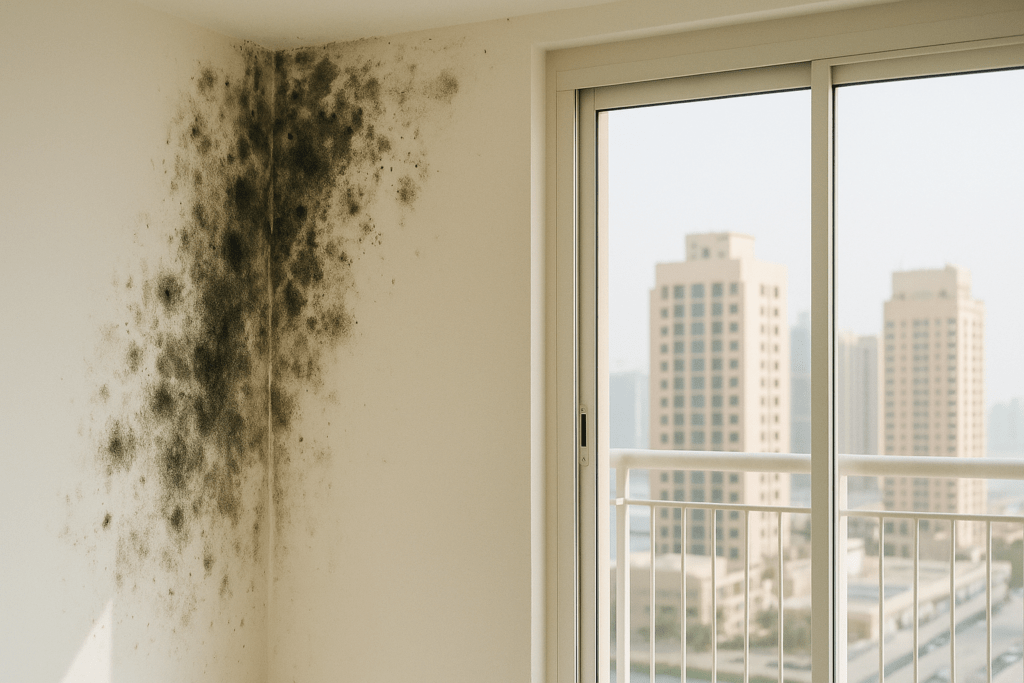
Understanding Mold Problems Dubai
Mold problems Dubai is a growing concern for homeowners and businesses due to the region’s unique environmental conditions. Mold thrives in damp, humid spaces, which can often be found in certain Dubai localities such as Dubai Marina and Business Bay where humidity levels fluctuate. Recognizing the molds early can prevent significant damage to property and health. Given Dubai’s diverse architecture, from residential towers to commercial complexes, identifying areas prone to mold is critical.
Mold problems Dubai generally manifest as black, green, or white patches on walls and ceilings, persistent musty odors, or visible water damage. Properties in Nad Al Sheba and Arabian Ranches, particularly older buildings, often face mold growth cycles due to inadequate ventilation and moisture accumulation. Early detection and intervention are essential to mitigate these issues effectively and minimize future mold problems Dubai across residences and businesses alike.
Common Causes of Mold in Dubai
In high-humidity zones like Dubai Marina and Downtown Dubai, several factors contribute directly to mold problems Dubai. Understanding these helps in both prevention and treatment:
- Humidity: Dubai’s hot climate combined with coastal humidity creates an ideal environment for mold proliferation.
- Poor ventilation: Buildings lacking adequate airflow trap moisture indoors, encouraging mold growth.
- Water leaks: Faulty plumbing or roof leaks in facilities within Business Bay or Medos amplify mold risks.
- Condensation: Temperature variations in air-conditioned environments often cause condensation on walls and windows.
- Building materials: Porous materials such as drywall or wood easily retain moisture, further elevating mold problems Dubai if not kept dry.
Addressing these root causes minimizes mold problems Dubai effectively in both commercial and residential settings.
Health Risks Associated with Mold
Mold problems Dubai do not only degrade property but also pose serious health threats. Individuals exposed to mold spores can suffer from allergic reactions, respiratory issues, and skin irritations. Vulnerable groups such as children, elderly residents in Arabian Ranches, or those with preexisting conditions face heightened risks when mold problems Dubai are left unaddressed.
Symptoms linked to mold exposure include chronic coughing, wheezing, nasal congestion, and eye irritation. More severe cases can result in asthma exacerbations or infections. Dubai’s health guidelines from Dubai Health Authority emphasize the importance of mold prevention for indoor air quality and overall wellbeing in response to mold problems Dubai regularly reported by residents.
Given these risks, promptly addressing mold problems Dubai is a priority for homes and businesses to ensure safe and healthy indoor environments, following Dubai Municipality guidance.
Preventive Tips for Mold Control
Preventing mold problems Dubai involves practical and actionable steps suitable for Dubai’s climate and architectural styles. Here are key tips to reduce mold growth risk, vital for the city’s varied environment:
- Improve ventilation: Use exhaust fans in kitchens and bathrooms, especially in high-rise flats in Downtown Dubai to lower chances of mold problems Dubai residents often see.
- Control humidity: Maintain indoor humidity below 60% using dehumidifiers, a common technique in Dubai Marina apartments to combat mold problems Dubai even in controlled environments.
- Fix leaks: Promptly repair plumbing or roof leaks in Business Bay offices or residences to avoid moisture buildup and new mold problems Dubai in these localities.
- Regular cleaning: Clean and dry damp areas immediately, focusing on bathrooms and basements, where recurring mold problems Dubai have been documented.
- Proper insulation: Insulate pipes and walls to prevent condensation, especially in climate-controlled buildings in Medos, which can otherwise contribute to mold problems Dubai property managers strive to prevent.
These preventive measures collectively reduce the likelihood of mold problems Dubai becoming severe for Dubai residents and businesses.
Effective Mold Removal Techniques
Tackling mold problems Dubai efficiently requires using proven mold removal techniques. For small-scale mold growth, do-it-yourself solutions can be effective if safety guidelines are followed carefully. Here are widely recommended methods for reducing mold problems Dubai:
- Cleaning with vinegar or baking soda: Natural agents that kill mold spores on non-porous surfaces.
- Use of specialized cleaning agents: Commercial mold removers designed for tough stains and microbial growth linked to mold problems Dubai.
- Physical removal: Scrubbing or scraping the mold from walls, tiles, or wood using protective gear reduces ongoing mold problems Dubai at the source.
- Drying and dehumidification: Post-cleaning moisture removal to prevent mold recurrence and limit future mold problems Dubai.
However, when mold covers large areas or penetrates porous materials, professional intervention becomes necessary to resolve extensive mold problems Dubai.
Professional Mold Removal Services in Dubai
Given the complexity of extensive mold problems Dubai, engaging expert services ensures thorough and safe remediation. Professionals utilize specialized equipment such as HEPA vacuums, industrial dehumidifiers, and biocide treatments effective against stubborn molds. Companies offering these services in Dubai Marina and Business Bay adhere to Dubai Municipality standards for environmental safety and disposal, specifically targeting mold problems Dubai residents report.
Reliable providers like our mold remediation service specialize in comprehensive mold inspections, removal, and prevention strategies. For Dubai-only service coverage, Saniservice offers tailored solutions focusing exclusively on mold problems Dubai, ensuring compliance with Dubai Health & Safety regulations.
How to Choose a Mold Removal Service
Selecting an effective mold removal partner in Dubai requires careful consideration, especially given the specific demands of mold problems Dubai. Here are practical tips to guide your decision:
| Criteria | Key Considerations |
|---|---|
| Experience | Check years of service and track record specifically within Dubai, particularly for resolving mold problems Dubai. |
| Technology | Ensure the company uses modern equipment and eco-friendly techniques suitable for challenging mold problems Dubai. |
| Customer Reviews | Read Dubai-based customer testimonials and feedback to understand how prior mold problems Dubai were managed. |
| Pricing Transparency | Clear communication about procedure scope and service coverage without hidden costs, vital for those addressing persistent mold problems Dubai. |
Choosing wisely ensures effective elimination of mold problems Dubai and prevents future issues.
Legal and Regulatory Guidelines in Dubai
Dubai’s regulatory framework actively addresses mold and indoor air quality concerns to protect residents and workers. These measures help control mold problems Dubai across local communities.
The Dubai Health Authority (DHA) issues guidelines on mold control linked to public health, advising property managers on timely remediation. Dubai Government initiatives promote awareness and sustainable building practices to combat moisture accumulation, aligning with energy efficiency standards administered by DEWA. All actions directly relate to decreasing ongoing mold problems Dubai that impact families and businesses.
Compliance with these rules is critical for landlords, developers, and occupants to mitigate mold problems Dubai legally and healthily, supporting a safer environment citywide.
Case Study: Success in Mold Removal
An office complex located in Business Bay faced severe mold problems Dubai impacting employee health and productivity. This strategy is now used for similar mold problems Dubai faced in other towers.
Post-treatment, indoor air quality improved significantly, and follow-up inspections by DHA confirmed mold reduction to safe levels. This example highlights how expert intervention combined with preventive maintenance can resolve even challenging mold problems Dubai.
Conclusion & Call to Action
Addressing mold problems Dubai requires awareness, timely action, and expert support. Whether you face minor mold patches or extensive contamination, implementing preventive measures and selecting trusted professional services is essential for a healthy Dubai home or workplace, helping to fight mold problems Dubai for the long term.
For specialized mold removal in Dubai, explore reliable providers such as Saniservice and gain access to proven solutions designed for mold problems Dubai. Learn more about comprehensive mold services at our mold remediation service to protect your property’s value and your family’s health from mold problems Dubai.
Start today to transform your space and eliminate mold problems Dubai effectively!
Understanding and Addressing Mold Problems Dubai Residents Face
Why Mold Thrives Even in Dubai’s Dry Climate
Many assume that Dubai’s desert and dry climate would naturally inhibit mold development. However, this is a misconception rooted in overlooking indoor moisture sources. While outdoor humidity in Dubai is generally low, air conditioning systems, water leaks, and poor ventilation can lead to significant indoor humidity and condensation, creating a perfect breeding ground for mold. Residential areas such as Downtown Dubai, Business Bay, and Arabian Ranches often report mold outbreaks linked to these issues, which contribute to unique mold problems Dubai communities contend with.
Specifically, the following factors contribute to mold problems Dubai experiences in urban and residential districts:
- Air Conditioning Systems: Central and split AC units used extensively in Dubai can sometimes generate condensation, which, if not properly drained or maintained, fosters mold growth within ducts or on walls, igniting fresh mold problems Dubai homeowners face.
- Plumbing Leaks and Water Intrusion: Even small leaks from pipes or rooftop water seepage during the rare rainfall events can dampen hidden areas, causing mold colonies to establish unnoticed behind walls or under flooring, escalating mold problems Dubai properties may encounter.
- Poor Ventilation: Homes and offices sealed tightly against outdoor heat sometimes lack adequate airflow, preventing moisture dissipation and allowing high humidity to persist indoors, a known driver of mold problems Dubai in residential towers.
- Building Material Choices: Certain construction materials, when exposed to moisture, provide organic substrates that encourage mold proliferation, heightening mold problems Dubai in both new and old developments.
These conditions make mold problems Dubai residents encounter unique and often more challenging to diagnose compared to what is found in other regions in the UAE, where outdoor moisture may play a greater role.
Health and Structural Impacts Specific to Dubai Buildings
Mold does not just present an aesthetic nuisance; it carries serious health risks and can jeopardize building integrity. In Dubai’s urban environment, where closed environments and packed residential towers prevail, the impact can be amplified, leading to increased reporting of mold problems Dubai.
From a health perspective, mold spores released indoors can trigger allergic reactions, respiratory issues, and skin irritation. According to Dubai Municipality’s health advisory guidelines, occupants with asthma, allergies, or immunodeficiencies are especially vulnerable when mold problems Dubai are present. Prolonged exposure can exacerbate existing conditions or trigger new symptoms, directly affecting quality of life. It is crucial for Dubai residents and property managers to be aware of these risks and ensure indoor air quality standards comply with Dubai Health Authority (DHA) recommendations, especially in buildings where mold problems Dubai have occurred.
Structurally, mold can lead to the deterioration of key building materials commonly used in Dubai’s residential and commercial properties. For instance:
- Wood Components: Mold weakens wooden panels, frames, and fixtures, risking costly repairs or replacements, which may be required if mold problems Dubai persist over time.
- Drywall and Plaster: Persistent moisture and mold can cause warping, discoloration, and crumbling surfaces that compromise walls and ceilings, a frequent result of unresolved mold problems Dubai.
- Insulation and Carpets: Mold contamination often renders these materials unusable, necessitating complete removal to prevent spread and recurring mold problems Dubai in high-density localities.
Given Dubai’s focus on sustainable and high-standard building practices, mold infestations can undermine both compliance with the UAE Fire & Life Safety Code and Dubai Municipality building regulations. This means early detection and remediation are not just beneficial but essential to protect property values and occupant safety, especially in areas that historically experience mold problems Dubai.
Proven Strategies to Prevent and Control Mold Problems Dubai Properties Face
Successfully managing mold problems Dubai faces involves a combination of preventive measures and prompt intervention. The following strategies, aligned with Dubai Municipality and Dubai Health & Safety guidelines, are recommended to specifically reduce mold problems Dubai in modern and older structures alike:
- Regular Inspection and Maintenance of AC Systems: Scheduled cleaning and servicing of air conditioning units, including ductwork, can prevent moisture buildup and inhibit mold growth, vital to controlling mold problems Dubai city dwellers monitor closely.
- Ensuring Proper Ventilation: Utilizing exhaust fans in bathrooms and kitchens, and considering mechanical ventilation solutions in sealed apartments, helps balance indoor humidity, a common recommendation for preventing additional mold problems Dubai.
- Prompt Repair of Water Leaks: Even minor leaks need immediate attention. Dubai’s arid climate means water intrusion is often unexpected and can easily go unnoticed until mold appears, exacerbating mold problems Dubai if not managed quickly.
- Use of Mold-Resistant Building Materials: Where possible, using treated drywall, sealants, and paints with anti-microbial properties reduces risk, which is crucial in large projects with recurring mold problems Dubai.
- Control Indoor Humidity: Maintaining indoor relative humidity below 60% is crucial. Utilizing dehumidifiers and monitoring humidity with hygrometers are common solutions to defeat mold problems Dubai across different districts.
These approaches require collaboration between residents, landlords, building management, and contractors to maintain safe and healthy environments, especially in densely populated neighborhoods such as Dubai Marina, Nad Al Sheba, and Medos; areas where mold problems Dubai may otherwise persist if neglected.
Mold Remediation and Compliance in Dubai
When mold infestations occur, professional mold remediation services in Dubai follow strict protocols to ensure effective removal without health risks. These protocols generally align with Dubai Municipality’s Environmental Health and Safety standards and DHA guidance and are specifically designed for persistent mold problems Dubai:
- Assessment and Containment: Immediate assessment of contaminated areas and containment measures to prevent spore spread are priorities and stop the escalation of mold problems Dubai in residential or business settings.
- Safe Removal: Specialized equipment and eco-friendly cleaning agents are used to eradicate mold colonies, followed by thorough drying of the affected structures, best practice for resolving mold problems Dubai.
- Post-Remediation Testing: Verification via air quality and surface spore testing ensures that remediation efforts meet safety levels, confirming the successful elimination of mold problems Dubai within the property.
- Documentation and Reporting: For commercial properties and new developments, detailed documentation helps demonstrate compliance with relevant Dubai laws and standards, a necessity when mold problems Dubai are reported to authorities.
Failure to address mold problems Dubai experiences can lead to penalties, liability issues, or forced closures, particularly for commercial establishments like schools, health clinics, or hospitality venues under Dubai Municipality and DHA regulations. Thus, timely and professional remediation is not merely best practice but a critical obligation for property owners and managers to avoid repeated mold problems Dubai.
Raising Awareness and Moving Forward
Public awareness campaigns by Dubai Municipality and private organizations have emphasized mold prevention and early detection in Dubai’s community hubs and residential complexes. Integrating mold education into building maintenance routines and encouraging residents to report signs of mold promptly are part of a broader push for healthier living standards in Dubai’s urban setting, aiming to reduce mold problems Dubai at the community level.
As Dubai continues to grow, particularly in areas such as Business Bay and Dubai Marina, incorporating mold control into integrated facilities management will remain vital. Mold problems Dubai encounters may seem inevitable to some, but through education, preventive architecture, and adherence to local regulations, these challenges can be effectively managed, keeping mold problems Dubai from recurring.
Overall, dealing with mold problems Dubai locals face requires a clear understanding of unique local conditions and a comprehensive approach aligning with Dubai-specific health and building codes. From controlling indoor moisture to ensuring professional remediation and public awareness, stakeholders must work collaboratively to keep Dubai’s living and working spaces safe and mold-free, minimizing mold problems Dubai for all who call the city home.