


Radon Levels In Uae: Soil Composition And Geological
Soil composition and geological factors affecting radon levels in UAE play a critical role in indoor air quality risks, particularly in a nation built on diverse geological formations. Radon, a naturally occurring radioactive gas, originates from uranium decay in the earth’s crust and migrates through soil into buildings. In the UAE’s arid climate, factors like soil permeability and uranium content determine potential exposure levels in residential areas.
This supporting article connects directly to the Radon Testing and Measurement Optimization Study: A Real-World Example, where soil-driven radon variations necessitated tailored measurement strategies. By examining UAE-specific geology, we highlight why radon concentrations fluctuate, informing better testing and mitigation for villas in Dubai, Abu Dhabi, and Sharjah.
Table of Contents
- UAE Geology Overview
- Key Soil Types in UAE and Radon Potential
- Uranium Content in UAE Soils
- Soil Permeability and Radon Transport
- Geological Faults and Fractures
- Regional Radon Variations Across Emirates
- Climate and Soil Interactions on Radon
- Implications for Radon Testing in UAE
UAE Geology Overview
The UAE sits on the Arabian Plate, featuring sedimentary rocks from the Permian to Recent eras. Dominant formations include limestone, dolomite, and evaporites in the north, transitioning to sand dunes and sabkhas in coastal zones. These structures host uranium-bearing minerals, key to radon generation.
Radon forms via alpha decay of radium-226, itself from uranium-238. In UAE soils, granitic intrusions and phosphate-rich layers elevate parent isotopes. Studies show soil gas radon ranging from 295 to 70,852 Bq/m³, underscoring geological diversity’s impact.
| Geological Formation | Primary Composition | Radon Emanation Potential |
|---|---|---|
| Hajar Supergroup | Limestone, Dolomite | Moderate |
| Dubai Sand Dunes | Quartz Sand | Low to Moderate |
| Sabkha Deposits | Evaporites, Clay | High Permeability |
This variability explains why ground-floor homes in Sharjah show higher radon, as in diurnal studies averaging 57 Bq/m³ in summer.
Soil Composition And Geological Factors Affecting Radon Levels In Uae – Key Soil Types in UAE and Radon Potential
Sandy Soils in Coastal Emirates
Coastal Dubai and Sharjah feature aeolian sands with high quartz content and low clay fractions. These soils exhibit excellent permeability, facilitating radon diffusion from depth. Low water retention minimises dissolution, preserving gas mobility.
Research indicates mean soil radon of 148 Bq/m³ in such areas, rising in dune interiors due to trapped uranium grains.
Clay-Rich Inland Soils
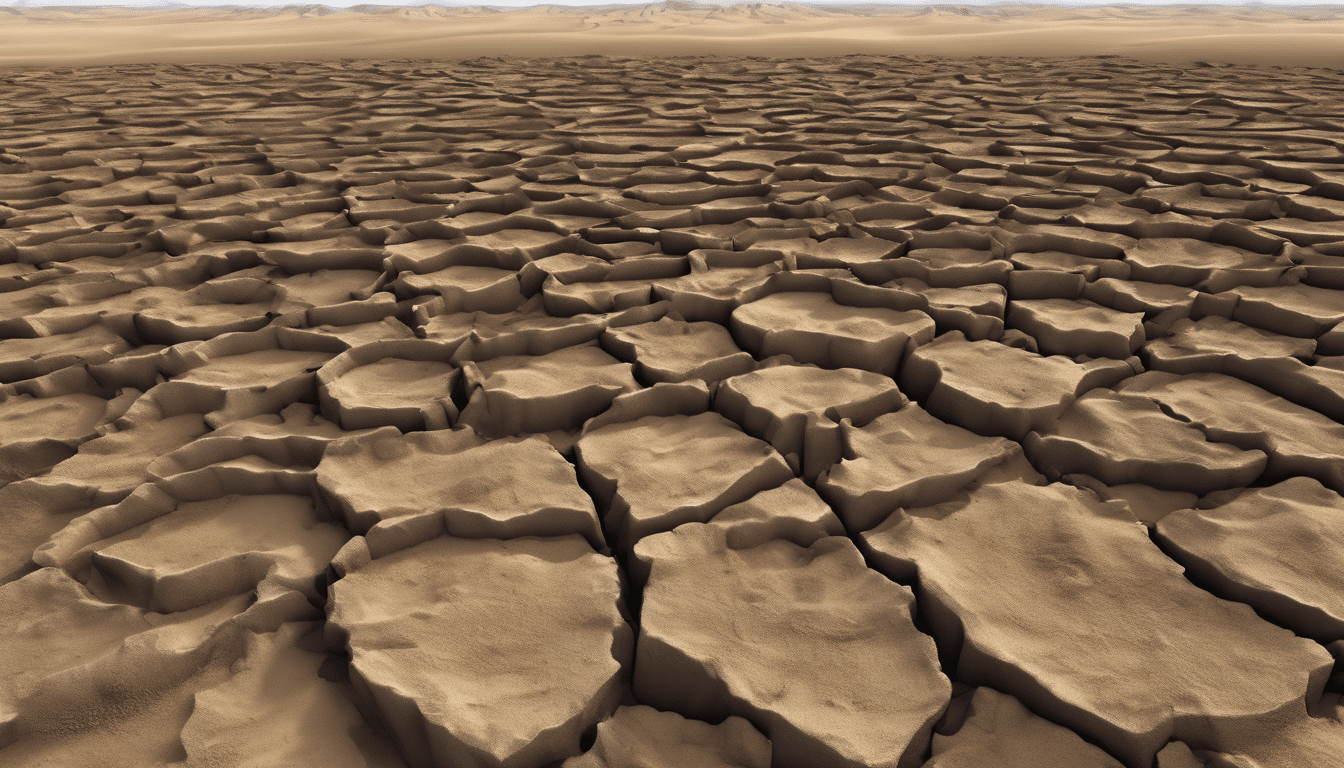
Inland Abu Dhabi and Al Ain, calcic and gypsic soils predominate, with higher clay binding radon progeny. However, cracks from desiccation enhance pathways. Emanation rates here balance low permeability with fracture networks.
| Soil Type | Location | Mean Radon (Bq/m³) | Permeability |
|---|---|---|---|
| Sandy Loam | Dubai Coast | 326 ± 80 | High |
| Clayey Calcrete | Al Ain | 128 ± 42 | Low-Moderate |
| Sabkha Salt Flats | Abu Dhabi | 60 ± 16 | Very High |
Soil Composition And Geological Factors Affecting Radon Levels In Uae – Uranium Content in UAE Soils
Uranium concentrations in UAE soils vary from 1-10 ppm, higher in Hajar Mountains’ phosphorites. These deposits, remnants of ancient seas, concentrate uranium via organic adsorption. Soil composition and geological factors affecting radon levels in UAE thus hinge on such hotspots.
In the Radon Testing and Measurement Optimization Study: A Real-World Example, uranium mapping preceded testing, revealing 5 ppm averages correlating with 300 Bq/m³ soil gas.
Evaporative enrichment in sabkhas further boosts local levels, as salts crystallise around radionuclides.
Soil Composition And Geological Factors Affecting Radon Levels In Uae – Soil Permeability and Radon Transport
Soil porosity governs radon flux; UAE sands average 30-40% porosity, dwarfing 10-20% in clays. Barometric pumping—pressure waves from wind—amplifies transport in permeable zones like Ras Al Khaimah dunes.
Diffusion coefficients rise with grain size, explaining elevated readings in Fujairah’s gravelly wadis. Moisture inversely affects this; dry UAE conditions (RH <30%) maximise emanation.
Geological Faults and Fractures
The Oman Mountains’ thrusts channel radon via fractures. In Ajman and Umm Al Quwain, fault lines from tectonic activity create preferential pathways, elevating nearby soil gas by 2-5 times.
Karst features in limestone dissolve voids, mimicking high-permeability sands. These geological factors demand site-specific assessment before construction.
Regional Radon Variations Across Emirates
Dubai’s urban sands yield 40-55 Bq/m³ indoors, per Sharjah parallels. Abu Dhabi’s sabkhas push groundwater radon to 142 Bq/L averages (3-503 Bq/L range), infiltrating via slabs.
Sharjah studies link winter lows (39.6 Bq/m³) to stable pressures, summer highs to AC-driven draws. Inland Sharjah hits 326 Bq/m³ soil radon, tying to rocky geology.
| Emirate | Soil Dominant | Indoor Radon Avg (Bq/m³) | Soil Gas Range (Bq/m³) |
|---|---|---|---|
| Dubai | Sand | 47-55 | 295-70,000 |
| Abu Dhabi | Sabkha | 35-57 | High Variability |
| Sharjah | Mixed | 39-55 | 128-326 |
Climate and Soil Interactions on Radon
UAE’s hyper-arid regime (50-100 mm annual rain) keeps soils desiccated, boosting radon release. Summer monsoons temporarily seal pores, but evaporation reopens them. AC over-pressurisation in villas draws soil gas inward.
Diurnal swings amplify this; night cooling contracts soils, pushing radon upward.
Implications for Radon Testing in UAE
Soil composition and geological factors affecting radon levels in UAE necessitate optimised protocols, as in the Radon Testing and Measurement Optimization Study: A Real-World Example. Pre-test geology surveys using gamma spectroscopy map risks.
Long-term alpha-track detectors outperform shorts in fracture-prone sites. For Dubai villas, sub-slab probes verify entry.
Key Takeaways
- UAE sandy soils drive high radon permeability, elevating ground-floor risks.
- Uranium hotspots in mountains and sabkhas demand regional testing variations.
- Faults and fractures create hotspots, requiring site-specific mitigation.
- Climate enhances emanation; integrate with building envelope assessments.
- Link soil data to testing optimisation for accurate UAE radon management.
Conclusion
Soil composition and geological factors affecting radon levels in UAE reveal a landscape of variable risks, from coastal sands to inland fractures. These insights underpin effective strategies in studies like the Radon Testing and Measurement Optimization Study: A Real-World Example. Property owners in Dubai, Abu Dhabi, and beyond should prioritise geological-informed testing to safeguard health, integrating mitigation early in design.

JV de Castro
JV de Castro is the Chief Technology Officer at Saniservice, where he leads innovation in indoor environmental sciences, IT infrastructure, and digital transformation. With over 20 years of experience spanning architecture, building science, technology management, digital media architecture, and consultancy, he has helped organizations optimize operations through smart solutions and forward-thinking strategies. JV holds a Degree in Architecture, a Masters of Research in Anthropology, an MBA in Digital Communication & Media, along with certifications in mold, building sciences and building technology. Passionate about combining technology, health, and sustainability, he continues to drive initiatives that bridge science, IT, and business impact.

Leave a Reply