


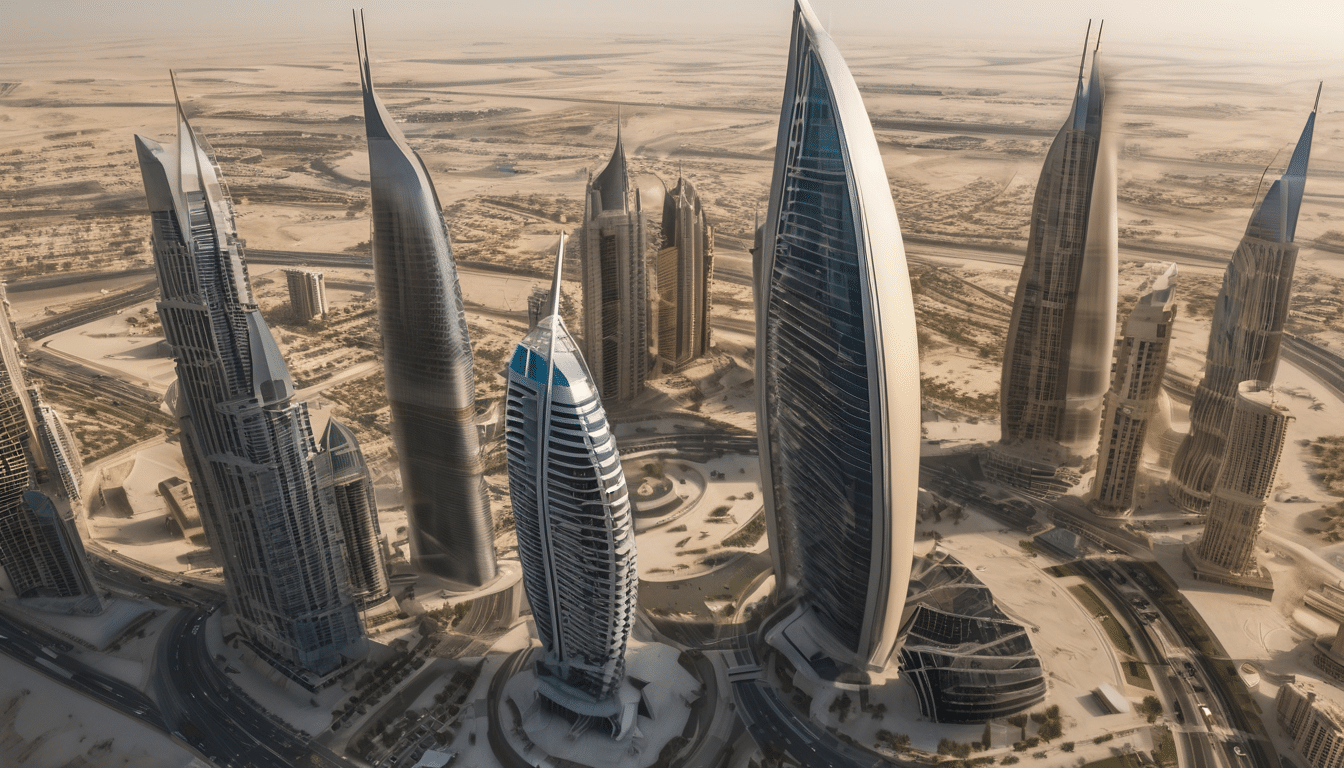
VOC Sources in Dubai Modern Buildings Guide
Dubai’s rapid construction boom has created a unique indoor environmental landscape where modern building materials and furnishings continuously release volatile organic compounds into living and working spaces. As one of the fastest-growing urban centres in the world, Dubai’s residential and commercial buildings showcase the latest construction technologies and interior design trends—yet these innovations introduce complex challenges in managing indoor air quality. Understanding the primary VOC sources in Dubai modern buildings is fundamental to addressing air quality concerns and ensuring occupant wellbeing.
The concentration of VOCs in Dubai’s newly constructed apartments, schools, and commercial spaces has become a measurable public health concern. Research conducted in Dubai’s international schools revealed that total VOC (TVOC) concentrations reached 1,584 μg/m³ in certain locations, significantly exceeding the WHO standard of 400 μg/m³. This situation underscores the importance of identifying and managing VOC emission sources at every stage of building design, construction, and occupancy. When analysing volatile organic compound analysis challenges in modern buildings, professionals must recognise that these sources vary considerably depending on building type, construction age, and ventilation practices. This relates directly to Voc Sources In Dubai Modern Buildings.
Table of Contents
- Construction Materials: The Primary VOC Contributors
- Interior Furnishings and Soft Goods as Continuous Emission Sources
- Building Systems and Equipment VOC Generation
- Cleaning Products and Operational Emissions
- Off-Gassing Timeline in New Dubai Constructions
- Ventilation Design and VOC Concentration Patterns
- Monitoring VOC Sources in Modern Dubai Buildings
Voc Sources In Dubai Modern Buildings – Construction Materials: The Primary VOC Contributors in Duba
Construction materials represent the largest source of VOCs in newly built Dubai properties. Paints, adhesives, sealants, and composite materials used during building construction release significant quantities of volatile organic compounds through a process known as off-gassing. These emissions begin immediately after application and continue diminishing over months or even years, depending on environmental conditions such as temperature and humidity.
In Dubai’s hot climate, where ambient temperatures regularly exceed 40°C, off-gassing rates from construction materials accelerate considerably. Heat acts as a catalyst, increasing the volatilisation of VOCs from paints, polyurethane foams, and synthetic resins used in modern construction. Research in Dubai apartments demonstrated that TVOC concentrations in newly constructed units averaged 2,634 μg/m³—approximately nine times higher than Dubai Municipality standards—before occupancy commenced. When considering Voc Sources In Dubai Modern Buildings, this becomes clear.
Paints and Protective Coatings
Interior and exterior paints contain multiple VOC compounds, including formaldehyde, benzene, toluene, and xylene. Even when paints meet low-VOC specifications (less than 50 g/L according to Dubai Municipality standards), the accumulated effect of painting all walls, ceilings, and trim throughout an entire building structure creates substantial total VOC loads. Protective coatings applied to concrete, wood, and metal surfaces add additional emission sources that interact with the building’s internal environment.
Adhesives and Sealants
Carpet adhesives, vinyl flooring adhesives, and structural sealants used extensively in Dubai’s modern construction employ chemical formulations that release VOCs continuously. These materials remain active emission sources long after initial application, particularly in sealed, air-conditioned spaces where temperature stability can sustain off-gassing processes. Synthetic adhesives used in wood composites, plywood, and particle board create particularly persistent VOC emission patterns. The importance of Voc Sources In Dubai Modern Buildings is evident here.
Insulation and Foam Products
Polyurethane foams, expanded polystyrene, and other synthetic insulation materials contribute to VOC emissions, especially when used in enclosed wall cavities or ceiling spaces. In Dubai’s modern high-rise apartments, where sealed building envelopes maximise cooling efficiency, these materials continue releasing compounds into the controlled internal environment indefinitely.
Voc Sources In Dubai Modern Buildings – Interior Furnishings and Soft Goods as Continuous Emission S
After construction completion, furnishings and soft goods become primary VOC contributors in occupied Dubai modern buildings. Furniture, carpets, curtains, and upholstery introduce significant additional VOC loads that persist throughout the occupancy phase. Unlike construction materials that gradually decrease emissions over time, furnishings purchased at various intervals continuously introduce new VOC sources into the indoor environment. Understanding Voc Sources In Dubai Modern Buildings helps with this aspect.
Furniture adhesives, synthetic fabrics, and foam cushioning used in contemporary designs emit multiple VOC compounds. Research in Dubai schools identified that computer labs, which contain substantial quantities of electronic equipment and modern office furniture, exhibited approximately 70 percent higher TVOC levels compared to standard classrooms. This correlation demonstrates the material-specific contribution of furnishings to indoor VOC concentrations.
Carpet and Flooring Materials
Synthetic carpet fibres, latex backing, and adhesives used in carpet installation represent continuous VOC emission sources. In Dubai’s climate-controlled buildings, where air conditioning maintains consistent temperature and humidity, carpet emissions remain active indefinitely. New carpets emit particularly high VOC concentrations during the first several weeks following installation, but continue releasing compounds at reduced rates for extended periods. Voc Sources In Dubai Modern Buildings factors into this consideration.
Upholstered Furniture and Fabrics
Sofas, chairs, and other upholstered pieces contain polyurethane foam, synthetic fabrics treated with chemical finishes, and adhesive compounds. Modern furniture design often prioritises aesthetic appeal and durability through chemical treatments that enhance fire resistance, stain repellency, and colour fastness—all of which contribute VOC emissions. The combination of foam, fabric, and adhesives creates a complex multi-source emission scenario within individual furniture items.
Voc Sources In Dubai Modern Buildings – Building Systems and Equipment VOC Generation
Mechanical and electrical systems integrated into Dubai’s modern buildings introduce additional VOC sources beyond construction materials and furnishings. Air handling units, fans, motors, and electronic equipment generate VOCs through various mechanisms related to their operation and materials composition. Understanding these sources is essential when analysing volatile organic compound analysis challenges in modern buildings, as building systems contribute continuously throughout the occupancy phase. This relates directly to Voc Sources In Dubai Modern Buildings.
HVAC System Components
Air handling unit insulation, ductwork linings, and filter materials can emit VOCs, particularly when exposed to elevated temperatures within heating and cooling systems. In Dubai’s demanding climate where HVAC systems operate continuously, these components remain active emission sources year-round. Refrigerants, oils, and other fluids within cooling systems may also contribute to the VOC burden under certain operational conditions.
Electronic Equipment and Office Devices
Computers, printers, photocopiers, and electronic office equipment emit VOCs during operation and throughout their lifespan. Thermal printers and high-speed photocopiers documented in Dubai schools demonstrated particularly elevated TVOC contributions, especially when located in poorly ventilated spaces. The combination of electronic emissions with inadequate fresh air supply creates concentrated VOC conditions in technology-intensive areas. When considering Voc Sources In Dubai Modern Buildings, this becomes clear.
Cleaning Products and Operational Emissions
After construction completion and building occupancy, cleaning products and operational practices introduce ongoing VOC sources. Commercial cleaning agents, disinfectants, air fresheners, and maintenance chemicals release volatile compounds that accumulate in sealed environments. Dubai’s emphasis on hygiene and cleanliness standards means that professional cleaning occurs frequently, creating regular emission events from cleaning product VOCs.
Chemical Disinfectants and Sanitisers
Quaternary ammonia compounds, phenolic disinfectants, and alcohol-based sanitisers used in Dubai schools, hospitals, and commercial spaces emit significant VOCs during and after application. The frequency of disinfection protocols implemented across Dubai establishments means that cleaning-related VOC emissions occur multiple times daily in many indoor environments. The importance of Voc Sources In Dubai Modern Buildings is evident here.
Air Fresheners and Fragrance Products
Synthetic fragrances and air freshening products used in common areas, restrooms, and office spaces contribute VOCs continuously. These products often contain volatile fragrance compounds, propellants, and chemical carriers that interact with the indoor environment. In hotels, restaurants, and luxury apartments throughout Dubai, fragrance-related emissions from both products and room deodorising systems create measurable VOC contributions.
Off-Gassing Timeline in New Dubai Constructions
The temporal pattern of VOC emissions in newly constructed Dubai buildings follows a predictable trajectory influenced primarily by material off-gassing rates. However, the Dubai climate and construction practices significantly modify this timeline compared to international standards. Higher temperatures accelerate off-gassing, while sealed building envelopes concentrate emissions in the internal environment rather than allowing ventilation to remove them continuously. Understanding Voc Sources In Dubai Modern Buildings helps with this aspect.
Research in Dubai schools and apartments demonstrated that VOC concentrations generally decrease over time as materials age and off-gassing rates decline. Buildings constructed more than five years prior typically exhibited lower average TVOC levels compared to newer structures. However, even in older buildings, occasional TVOC exceedances of WHO standards occurred, indicating that other factors including ventilation, occupancy patterns, and introduced furnishings significantly influence the temporal VOC pattern.
First Six Months: Maximum Emission Phase
Newly completed buildings in Dubai experience peak VOC emissions during the first six months following construction completion and occupancy. All construction materials—paints, adhesives, flooring, insulation—release compounds at accelerated rates due to elevated indoor temperatures and minimal material weathering. New furnishings added during occupancy initiation further increase VOC burdens during this critical period. Voc Sources In Dubai Modern Buildings factors into this consideration.
Six Months to Two Years: Declining Emission Phase
After initial occupancy, VOC concentrations gradually decline as off-gassing rates from construction materials decrease. However, this phase remains characterised by elevated TVOC levels in most Dubai buildings. Renovations, new furniture purchases, or additional building modifications can interrupt the declining trend and create secondary emission peaks.
Beyond Two Years: Stabilisation Phase
Buildings older than two years typically demonstrate more stable VOC concentrations, though occasional exceedances still occur. In Dubai’s dry climate, material degradation processes proceed differently than in humid regions, potentially extending the timeline for complete off-gassing stabilisation. Continuous occupancy and periodic renovations mean that new VOC sources are regularly introduced, preventing complete stabilisation. This relates directly to Voc Sources In Dubai Modern Buildings.
Ventilation Design and VOC Concentration Patterns
The relationship between ventilation design and VOC concentration patterns represents a critical aspect of analysing volatile organic compound analysis challenges in modern buildings. Dubai’s construction practices emphasise sealed building envelopes to maximise air conditioning efficiency—a design choice that significantly impacts how VOC emissions accumulate and distribute throughout buildings.
Computer labs and science laboratories in Dubai schools exhibited markedly higher TVOC concentrations than general classrooms, not simply due to increased emission sources but also because of ventilation design differences. Labs typically operate with closed windows and doors to maintain temperature control and prevent fume escape, intensifying VOC concentration. Science laboratories specifically, which contain chemical reagents and lab equipment, demonstrated approximately 14 percent higher TVOC levels than standard classrooms, directly correlating with chemical-specific emission sources combined with reduced ventilation rates. When considering Voc Sources In Dubai Modern Buildings, this becomes clear.
Fresh Air Supply Inadequacy
Many modern Dubai buildings operate with fresh air supply rates insufficient to dilute accumulated VOCs. Economical HVAC design often prioritises energy efficiency over maximum fresh air introduction, creating conditions where VOC concentrations accumulate progressively throughout occupancy periods. Buildings designed to international standards but operated below those specifications represent a common scenario in Dubai’s commercial sector.
Sealed Envelope Effects During Non-Occupancy
When buildings remain sealed during non-occupancy periods—common in Dubai during extreme summer heat—VOC off-gassing from materials, furnishings, and equipment continues uninterrupted without ventilation removal. Concentrations increase during sealed periods and gradually decrease when occupancy resumes and ventilation systems activate. This cycling pattern creates measurement challenges and health implications depending on occupancy timing. The importance of Voc Sources In Dubai Modern Buildings is evident here.
Monitoring VOC Sources in Modern Dubai Buildings
Effective management of VOC sources in Dubai modern buildings requires systematic monitoring protocols that identify specific emission points and quantify their contributions. Professional VOC testing in Dubai involves sample collection using canisters, sorbent tubes, or real-time sensors, followed by laboratory analysis detecting specific compounds including formaldehyde, benzene, toluene, and ethylbenzene.
Dubai Municipality establishes specific VOC thresholds requiring indoor air TVOC concentrations below 0.5 ppm (approximately 500 μg/m³), though WHO recommendations suggest 400 μg/m³ as a more protective standard. Monitoring should occur at multiple locations throughout buildings—particularly in source areas such as newly painted rooms, newly carpeted spaces, and equipment storage zones—to identify concentration gradients and primary emission sources. Understanding Voc Sources In Dubai Modern Buildings helps with this aspect.
Pre-Occupancy Assessment Protocols
Best practice in Dubai involves comprehensive pre-occupancy VOC assessment before building handover and occupancy commencement. This baseline measurement identifies emission hotspots requiring intervention before occupants introduce sensitive populations such as children or elderly residents. Pre-occupancy monitoring allows corrective actions including extended ventilation periods, source material replacement, or additional remediation before health impacts occur.
Continuous Monitoring Systems
Modern buildings increasingly incorporate continuous VOC monitoring systems that provide real-time data regarding indoor air quality. These systems enable automated ventilation adjustments based on detected VOC concentrations, improving both air quality and energy efficiency. In Dubai’s commercial sector, integrated building management systems increasingly include VOC monitoring alongside temperature and humidity tracking. Voc Sources In Dubai Modern Buildings factors into this consideration.
Key Takeaways
- Construction materials including paints, adhesives, and insulation represent the largest VOC sources in newly built Dubai properties, with off-gassing accelerated by hot climate conditions
- Interior furnishings and soft goods introduce continuous VOC emissions throughout building occupancy, with concentrations varying significantly by material type and quality
- Building systems including HVAC components and electronic equipment contribute measurable VOC burdens that persist throughout occupancy
- Cleaning products and operational practices introduce regular VOC emission events in occupied Dubai buildings
- Ventilation design significantly influences VOC accumulation, with sealed envelopes and reduced fresh air supply creating conditions favourable to VOC concentration
- Off-gassing follows predictable temporal patterns, with peak emissions during initial occupancy declining gradually over years, though occasional exceedances continue
- Professional monitoring protocols help identify primary emission sources and quantify VOC contributions from specific materials and systems
Conclusion
VOC sources in Dubai modern buildings represent a complex, multi-factorial challenge requiring comprehensive understanding of material emissions, ventilation design, and occupancy patterns. From construction material off-gassing through operational cleaning products, numerous simultaneous sources contribute to indoor VOC concentrations that frequently exceed international health standards. The Dubai climate, which accelerates material off-gassing while encouraging sealed building envelopes, creates particularly challenging conditions for maintaining acceptable indoor air quality.
Understanding these diverse VOC sources provides the foundation for effective management strategies. Whether selecting low-VOC materials during design phases, implementing enhanced ventilation protocols during occupancy, or monitoring specific emission sources through professional testing, systematic approaches to source identification and management significantly improve indoor air quality outcomes. For building owners, facilities managers, and occupants in Dubai’s modern construction landscape, awareness of VOC source categories and their contribution patterns enables informed decisions that protect health while maintaining the energy efficiency that characterises contemporary Dubai buildings. This relates directly to Voc Sources In Dubai Modern Buildings.
When addressing the broader challenge of analysing volatile organic compound analysis challenges in modern buildings, professionals must consider the complete emission source landscape described in this article—recognising that effective solutions require attention to material selection, ventilation design, operational practices, and continuous monitoring rather than addressing any single source category in isolation.
Understanding Voc Sources In Dubai Modern Buildings is key to success in this area.

JV de Castro
JV de Castro is the Chief Technology Officer at Saniservice, where he leads innovation in indoor environmental sciences, IT infrastructure, and digital transformation. With over 20 years of experience spanning architecture, building science, technology management, digital media architecture, and consultancy, he has helped organizations optimize operations through smart solutions and forward-thinking strategies. JV holds a Degree in Architecture, a Masters of Research in Anthropology, an MBA in Digital Communication & Media, along with certifications in mold, building sciences and building technology. Passionate about combining technology, health, and sustainability, he continues to drive initiatives that bridge science, IT, and business impact.

Leave a Reply