


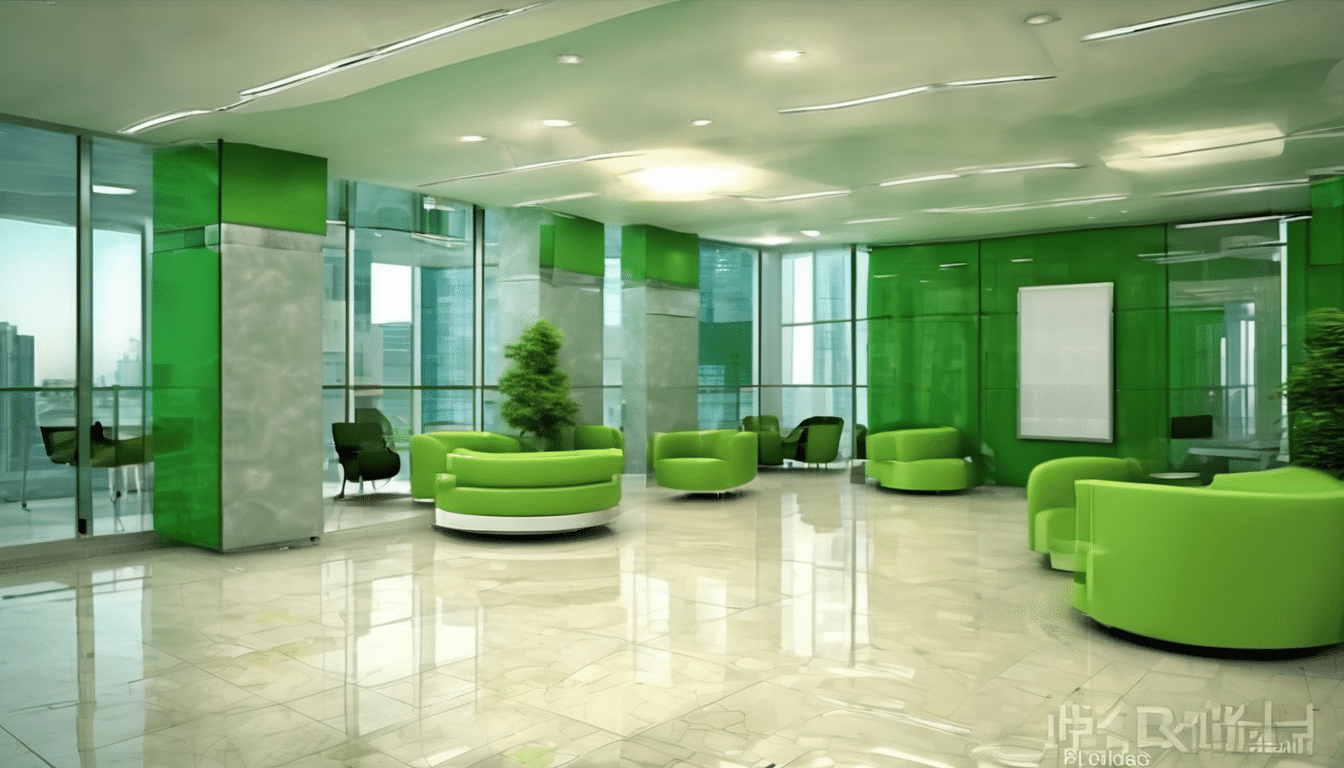
Green Building Standards Explained UAE
In the UAE’s arid climate, where cooling demands dominate energy use, Green Building Standards Explained UAE becomes crucial for sustainable development. Dubai and Abu Dhabi lead with frameworks mandating efficiency in new constructions. These standards reduce operational costs and enhance occupant wellbeing, aligning with the UAE Net Zero by 2050 strategy.
Yet, achieving certification often reveals unexpected issues, such as those explored in “Unexpected Green Building Standards and Certification Issues: Diagnosis and Resolution”. Poor indoor air quality or hygrothermal failures can undermine green credentials post-certification. This article breaks down the core standards, their requirements, and practical implications for UAE projects.
Green Building Standards Explained Uae – Role of EmiratesGBC in UAE Green Standards
The Emirates Green Building Council (EmiratesGBC), established in 2006, drives Green Building Standards Explained UAE by promoting sustainable practices across the region. It operates a Net Zero Centre of Excellence since 2018, fostering knowledge exchange on regulations and technologies. EmiratesGBC advocates for all new buildings to achieve net zero operations by 2030, supporting UAE’s UN Vision 2030.
Through initiatives like the Net Zero Carbon Buildings Commitment, it influences policy and market demand. Buildings account for 39% of global CO2 emissions, with UAE focusing on cooling-related consumption. EmiratesGBC collaborates with government bodies to integrate smart technologies and local materials.
This leadership addresses gaps in traditional construction, ensuring standards evolve with climate challenges in Dubai, Abu Dhabi, and Sharjah.
Key Local Green Building Standards Explained UAE
UAE mandates local systems for green compliance, tailored to desert conditions. Abu Dhabi’s Estidama and Dubai’s Al Sa’fat form the backbone, complemented by international LEED. These frameworks cover design, construction, and operations, emphasising energy, water, and indoor environmental quality.
Estidama targets holistic sustainability, while Al Sa’fat prioritises energy and water efficiency. Both require minimum ratings for government projects. By 2026, performance-based regulations will dominate, per market trends.
| Standard | Emirate | Focus Areas | Mandatory For |
|---|---|---|---|
| Estidama Pearl | Abu Dhabi | Energy, Water, IEQ, Materials | Govt & Large Projects |
| Al Sa’fat | Dubai | Energy, Water Efficiency | New Buildings & Villas |
| LEED | UAE-wide | Sustainable Sites, IEQ | Voluntary/Commercial |
Green Building Standards Explained Uae – Estidama Pearl Rating System in Abu Dhabi
Estidama, meaning sustainability in Arabic, sets Abu Dhabi’s green benchmark via the Pearl Rating System. It evaluates buildings on natural resources, precious resources, and livable environments. Ratings range from 1-6 Pearls, with 3+ required for many approvals.
Key credits include integrated development process, energy performance modelling, and water demand reduction up to 50%. Indoor environmental quality (IEQ) credits address ventilation and thermal comfort, critical in UAE summers exceeding 45°C.
Masdar City exemplifies Estidama, achieving Platinum ratings through passive design and renewables. For developers, compliance boosts property value by 10-15% in Abu Dhabi markets.
Estidama Credits Breakdown
| Category | Key Credits | Points Available |
|---|---|---|
| Energy | HVAC Efficiency, Renewables | 40 |
| Water | Recycling, Low-Flow Fixtures | 25 |
| IEQ | Daylighting, Air Quality | 20 |
Al Sa’fat Rating System for Dubai
Dubai’s Al Sa’fat (Sustainability Assessment for Rating Livable and Environmentally Sustainable Traits) mandates green features for new builds over 4,000 sqm. It focuses on energy (55% of score) and water (25%), reflecting DEWA priorities.
Buildings earn 1-5 stars; 1-star minimum for approval. Envelope performance, lighting power density under 10 W/sqm, and AC efficiency are core. Dubai Municipality enforces via Dubai Green Building Regulations.
In Jumeirah and Downtown Dubai projects, Al Sa’fat integration cuts energy use by 30%, aiding Net Zero goals. It complements Green Building Standards Explained UAE by localising global best practices.
International LEED Certification in UAE Context
LEED (Leadership in Energy and Environmental Design) sees over 800 accredited buildings in UAE, topping MENA. It synergises with local standards, covering sustainable sites, water efficiency, energy, materials, and IEQ.
Certification levels: Certified, Silver, Gold, Platinum. UAE adaptations address high cooling loads via enhanced commissioning. SEE Institute in Dubai’s Sustainable City holds LEED Platinum, generating 300% surplus energy.
LEED supports “Unexpected Green Building Standards and Certification Issues: Diagnosis and Resolution” by highlighting IEQ failures, like VOC exceedances post-occupancy.
Net Zero Building Standards and Trends
UAE’s Net Zero 2050 spans buildings, creating 200,000 jobs and 3% GDP boost. EmiratesGBC pushes net zero by 2030 for new builds. Trends include smart HVAC, resilient envelopes, and solar integration; UAE ranks sixth globally in per capita solar use.
Beyond 2026, expect AI-driven performance regs and biophilic designs for health. Net zero means zero operational emissions via efficiency and offsets.
In Sharjah and Ajman, pilots test these, reducing carbon footprints while enhancing resilience to heatwaves.
Common Certification Challenges and Resolutions
Despite mandates, issues arise in Green Building Standards Explained UAE, like hygrothermal faults causing IEQ drops, as in “Unexpected Green Building Standards and Certification Issues: Diagnosis and Resolution”. Thermal bridging in villas leads to condensation, failing post-cert IEQ tests.
Resolutions involve thermal imaging audits, HVAC commissioning, and IAQ monitoring. BREEAM and WELL standards gain traction for health focus, emphasising low-emission materials.
Facility managers in Fujairah and Ras Al Khaimah should verify compliance via third-party audits to avoid costly retrofits averaging AED 50,000 per villa.
Key Takeaways
- Estidama and Al Sa’fat are mandatory UAE locals for energy-water efficiency.
- LEED and EmiratesGBC drive voluntary net zero advancements.
- IEQ challenges post-cert demand ongoing monitoring.
- Net Zero 2050 integrates tech for resilient builds.
- Compliance enhances value, cuts costs by 20-30%.
Conclusion
Green Building Standards Explained UAE reveals a maturing ecosystem blending local mandates like Estidama Pearl and Al Sa’fat with LEED and net zero pledges. These frameworks tackle UAE’s unique challenges, from water scarcity to extreme heat. Projects succeeding here, like Masdar, prove sustainability boosts economy and health.
Link failures early via diagnostics to uphold certifications. As UAE advances, stakeholders must prioritise performance verification for true green outcomes. Understanding Green Building Standards Explained Uae is key to success in this area.

JV de Castro
JV de Castro is the Chief Technology Officer at Saniservice, where he leads innovation in indoor environmental sciences, IT infrastructure, and digital transformation. With over 20 years of experience spanning architecture, building science, technology management, digital media architecture, and consultancy, he has helped organizations optimize operations through smart solutions and forward-thinking strategies. JV holds a Degree in Architecture, a Masters of Research in Anthropology, an MBA in Digital Communication & Media, along with certifications in mold, building sciences and building technology. Passionate about combining technology, health, and sustainability, he continues to drive initiatives that bridge science, IT, and business impact.

Leave a Reply