


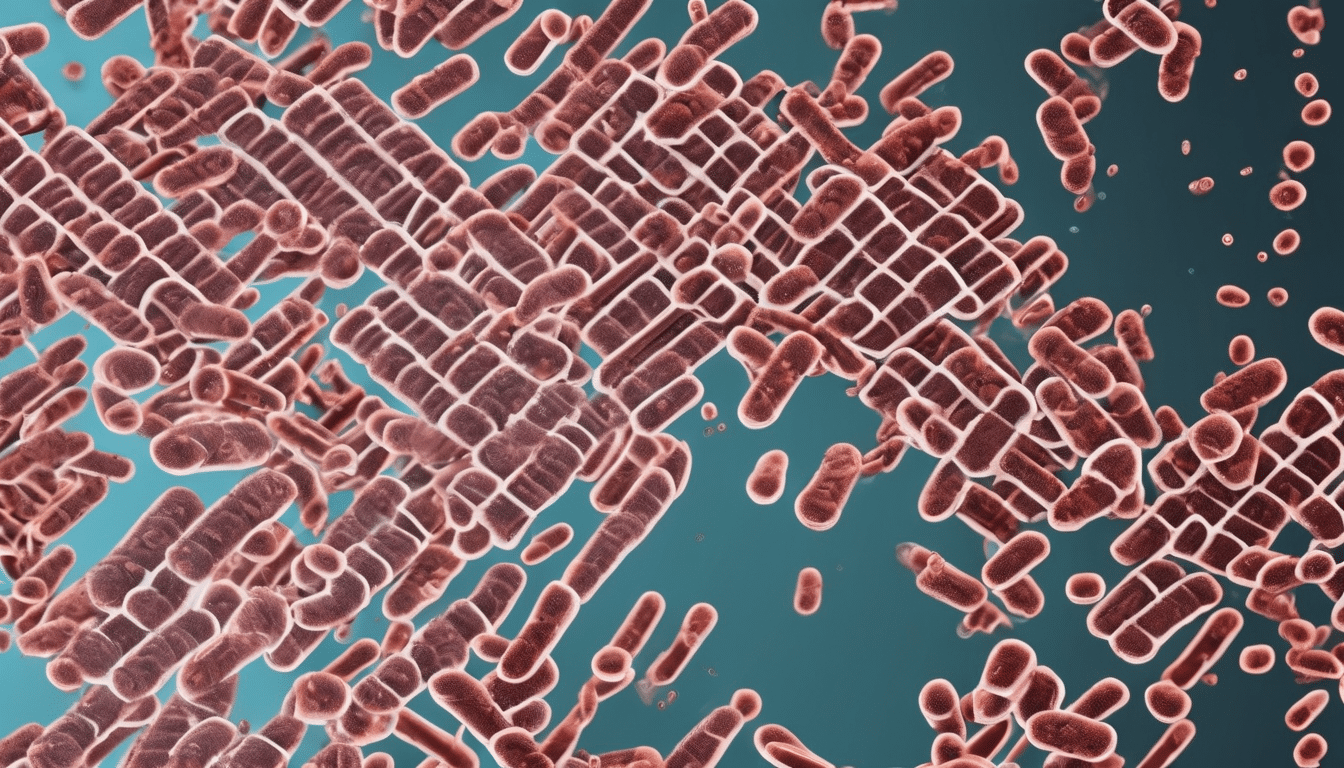
E. coli Risks in Dubai Residential Water Systems
In Dubai’s luxury villas and apartments, residents often assume water quality matches the premium surroundings. Yet, E. coli Risks in Dubai residential water systems reveal a hidden danger. These bacteria, indicators of faecal contamination, thrive in neglected tanks and pipes, leading to gastrointestinal illnesses.
Recent cases, like a high-end villa in a gated community, show E. coli levels at 380 CFU/100mL—far exceeding the zero tolerance limit. This connects directly to broader concerns in the Water Quality Testing and Analysis Optimization Study: A Real-World Example, where systematic testing uncovered infrastructure failures. Understanding these risks empowers homeowners and property managers to act proactively. This relates directly to E. Coli Risks In Dubai Residential Water Systems.
Dubai’s hot climate accelerates bacterial growth, making regular maintenance essential. This article delves into causes, health effects, detection methods, and prevention tailored to UAE conditions.
Table of Contents
- Causes of E. coli in Dubai Water Systems
- Health Impacts of E. coli Exposure
- Common Sources in Residential Villas
- Detection and Testing Protocols
- Dubai Regulations and Compliance
- Prevention and Remediation Strategies
- Insights from Real-World Cases
E. Coli Risks In Dubai Residential Water Systems – Causes of E. coli in Dubai Residential Water Systems
E. coli risks in Dubai residential water systems stem from multiple factors unique to the region’s infrastructure and environment. Dubai relies on desalinated seawater and imported sources, distributed through extensive networks prone to vulnerabilities.
Aging pipelines, often over 15 years old in established communities like Jumeirah or Downtown Dubai, develop micro-fractures. Soil shifts and high pressure cause leaks, allowing sewage or groundwater contaminants to enter. Biofilm—a slimy layer of bacteria and organic matter—forms inside pipes and tanks, shielding E. coli from residual chlorine.
Dubai’s extreme heat, with summer temperatures exceeding 40°C, promotes rapid microbial growth. Low chlorine residuals, below 0.2 mg/L, fail to disinfect adequately by the time water reaches rooftop tanks. Seasonal fluctuations in water pressure exacerbate ingress of contaminants.
Role of Biofilm Formation
Biofilm accumulation is a primary enabler. In UAE villas, tanks rarely cleaned beyond the mandated six months harbour these colonies. E. coli embeds within, resisting standard flushing and requiring enzymatic or chemical disruption for removal.
| Factor | Description | Impact on E. coli Growth |
|---|---|---|
| Aging Pipes | 15+ years old with fractures | Allows faecal ingress |
| Biofilm | Protective bacterial layer | Shields from disinfectants |
| Low Chlorine | <0.1 mg/L residual | Insufficient kill rate |
| High Temperatures | Up to 45°C in tanks | Accelerates replication |
E. Coli Risks In Dubai Residential Water Systems – Health Impacts of E. coli Exposure
Exposure to E. coli in residential water triggers acute and chronic health issues. In Dubai households, ingestion via drinking, cooking, or showering poses risks, especially to children, elderly, and immunocompromised individuals.
Symptoms include severe diarrhoea, abdominal cramps, vomiting, and fever, onset within hours to days. Severe strains like E. coli O157:H7 cause haemolytic uremic syndrome, leading to kidney failure. A Dubai villa case linked 380 CFU/100mL levels to family gastrointestinal outbreaks.
Long-term, repeated low-level exposure contributes to gut dysbiosis and increased infection susceptibility. In UAE’s expatriate population, these risks amplify due to varied immunity levels.
| Symptom | Onset Time | Severity | At-Risk Groups |
|---|---|---|---|
| Diarrhoea | 1-3 days | High | Children, Elderly |
| Vomiting | Hours | Moderate | All ages |
| Kidney Issues | 5-10 days | Critical | Infants |
E. Coli Risks In Dubai Residential Water Systems – Common Sources in Dubai Residential Villas
Rooftop water storage tanks top the list for E. coli risks in Dubai residential water systems. In villas across Abu Dhabi and Sharjah, sediment buildup and infrequent cleaning create breeding grounds.
Plumbing issues, such as backflow from sewers or cross-connections, introduce contaminants. Community pipelines in older developments like those in Ajman show biofilm and fractures. FCU drain pans and nearby HVAC systems can indirectly contribute via aerosolised droplets.
Post-monsoon humidity spikes elevate risks, as standing water in tanks fosters growth. Even “clear” water hides dangers, as E. coli survives without visible turbidity.
Detection and Testing Protocols
Effective detection requires laboratory-validated methods. For E. coli risks in Dubai residential water systems, collect samples from tanks, taps, and inlets using sterile techniques.
ISO 17025-accredited labs test for total coliforms, E. coli (target: 0 CFU/100mL), heterotrophic counts (<500 CFU/mL), and chlorine residuals (0.2-0.5 mg/L). Pre- and post-cleaning tests verify efficacy, as in the Water Quality Testing and Analysis Optimization Study: A Real-World Example.
Chain-of-custody ensures integrity. ATP swabbing detects biofilm presence rapidly.
| Parameter | Acceptable Limit | Villa Case Result |
|---|---|---|
| E. coli | 0 CFU/100mL | 380 CFU/100mL |
| Total Coliforms | <1 CFU/100mL | 940 CFU/100mL |
| HPC | <500 CFU/mL | 2,700 CFU/mL |
Dubai Regulations and Compliance
Dubai Municipality mandates tank cleaning every six months with post-cleaning tests for E. coli and coliforms. Non-compliance risks AED 50,000 fines. Properties in Dubai, Abu Dhabi, and Sharjah must use approved labs.
Guidelines align with WHO standards: zero E. coli tolerance. Property managers in Ras Al Khaimah and Fujairah face similar rules, emphasising verification testing.
The Water Quality Testing and Analysis Optimization Study: A Real-World Example highlights how optimised protocols ensure compliance while addressing root causes.
Prevention and Remediation Strategies
Prevent E. coli risks in Dubai residential water systems through scheduled cleaning, filtration, and monitoring. Drain tanks fully, remove sediment, and disinfect with hydrogen peroxide or 50ppm chlorine.
Install UV or reverse osmosis filters for point-of-use safety. Repair fractures and flush pipes annually. Advanced systems like Aquaporin A2O Pure provide immediate protection.
Post-remediation testing confirms <1 CFU/100mL. Community-wide assessments prevent recurrence.
Insights from Real-World Cases
A luxury Dubai villa case mirrors widespread issues. Testing revealed extreme contamination despite elite location. Remediation involved tank cleaning, pipe repairs, and filtration, restoring safety.
Outcomes included health recovery and cost savings on bottled water. Similar findings in Sharjah prompted neighbourhood actions, underscoring the value of proactive testing as in the Water Quality Testing and Analysis Optimization Study: A Real-World Example.
Key Takeaways
- E. coli thrives in Dubai’s tanks due to biofilm and aging pipes; test regularly.
- Zero tolerance: Exceedances like 380 CFU/100mL demand immediate action.
- Compliance avoids AED 50,000 fines; use accredited labs.
- Remediation saves health costs and boosts property value.
- Link to Water Quality Testing and Analysis Optimization Study for optimised protocols.
Conclusion
E. coli risks in Dubai residential water systems threaten health despite modern amenities. By understanding causes, testing rigorously, and remediating systematically, residents safeguard families. Insights from cases and studies like the Water Quality Testing and Analysis Optimization Study: A Real-World Example provide a roadmap. Prioritise water quality testing today for a safer tomorrow in UAE homes.

JV de Castro
JV de Castro is the Chief Technology Officer at Saniservice, where he leads innovation in indoor environmental sciences, IT infrastructure, and digital transformation. With over 20 years of experience spanning architecture, building science, technology management, digital media architecture, and consultancy, he has helped organizations optimize operations through smart solutions and forward-thinking strategies. JV holds a Degree in Architecture, a Masters of Research in Anthropology, an MBA in Digital Communication & Media, along with certifications in mold, building sciences and building technology. Passionate about combining technology, health, and sustainability, he continues to drive initiatives that bridge science, IT, and business impact.

Leave a Reply