


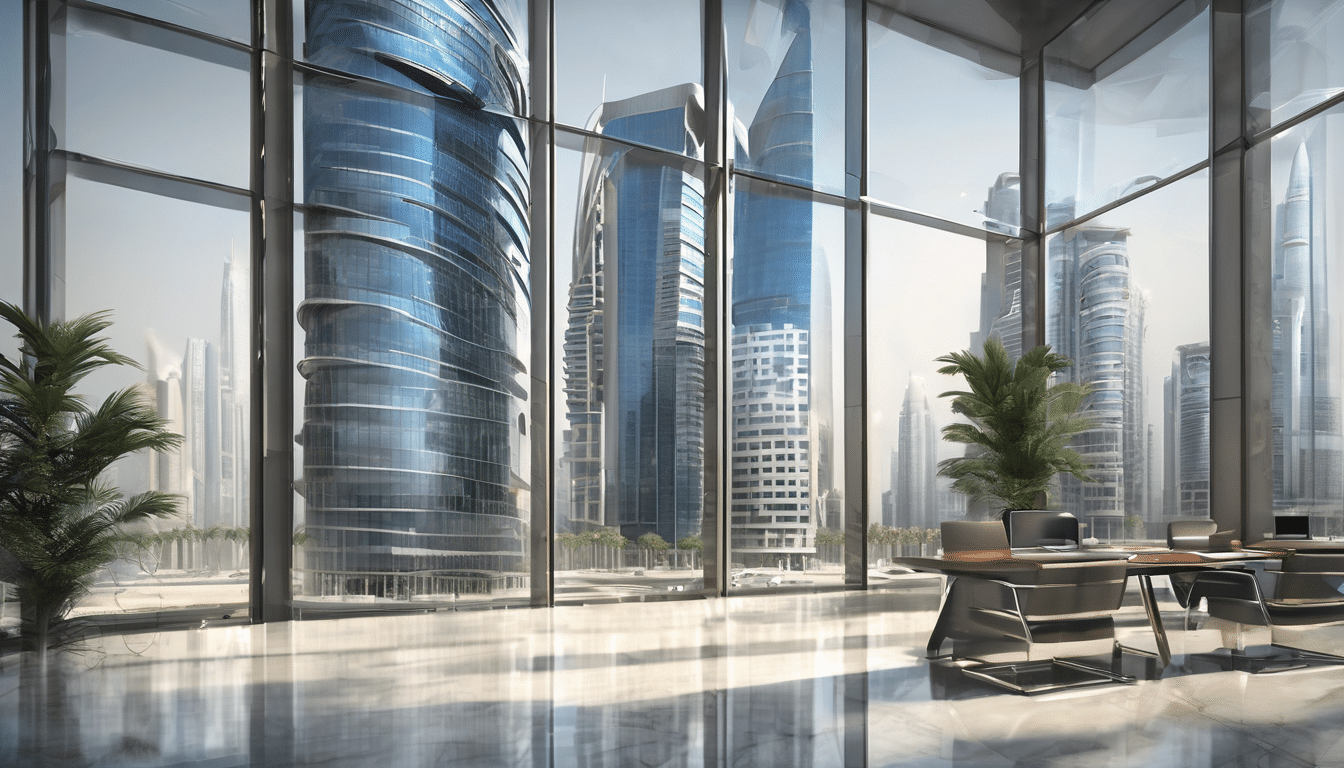
Common Certification Failures Dubai Buildings
In Dubai’s booming construction landscape, green building certifications like LEED, Estidama, and BREEAM promise sustainability and efficiency. Yet, Common Certification Failures Dubai buildings reveal a gap between design intent and real-world performance. Many projects achieve initial ratings but falter post-occupancy due to execution flaws, climate mismatches, and maintenance oversights.
These failures link directly to broader challenges, such as those in Unexpected Green Building Standards and Certification issues: Diagnosis and Resolution. High humidity, extreme heat, and rapid development amplify risks, turning certified structures into energy drains or health hazards. This article examines prevalent issues, drawing from UAE-specific insights to guide property owners, managers, and engineers.
Table of Contents
- HVAC System Inefficiencies in Certified Buildings
- Inappropriate Material Selection
- Energy Efficiency Shortfalls
- Water Management Deficiencies
- Documentation and Compliance Lapses
- Post-Occupancy Performance Drift
- Dubai-Specific Climate Challenges
Common Certification Failures Dubai Buildings – HVAC System Inefficiencies in Certified Buildings
HVAC systems form the backbone of green certifications in Dubai buildings, targeting energy use and indoor air quality (IAQ). However, common certification failures Dubai buildings frequently involve improper calibration or installation. Ventilation rates often fall short, with CO2 levels exceeding 1000 ppm in occupied spaces, breaching Estidama guidelines.
Inspectors note faulty duct sealing and uncalibrated sensors, leading to 20-30% higher energy consumption. In one UAE project, air filters mismatched specifications, causing dust accumulation and IAQ decline. These issues undermine LEED credits for indoor environmental quality.
Impact on Certification
Poor HVAC performance triggers re-certification audits. Dubai’s Municipality enforces periodic checks, where failures result in fines up to AED 50,000 per violation. Linking to Unexpected Green Building Standards and Certification Issues: Diagnosis and Resolution, thermal imaging reveals hidden leaks, essential for root-cause fixes.
| Common HVAC Issue | Typical Failure Rate | Guideline Breach |
|---|---|---|
| Duct Leakage | 25% | Estidama WE 2.0 |
| Sensor Miscalibration | 18% | LEED EA Prerequisite |
| Filter Mismatch | 22% | IAQ Standards |
Inappropriate Material Selection
Green certifications demand low-VOC paints, recycled content, and certified timber. Yet, common certification failures Dubai buildings arise from substituting cheaper, non-compliant materials. High-VOC adhesives off-gas formaldehyde up to 0.15 ppm, surpassing WHO limits of 0.08 ppm.
Suppliers in the UAE sometimes provide unverified products, failing FSC or EPD standards. This compromises health credits and leads to occupant complaints of irritation in new villas across Dubai Marina and Jumeirah.
Detection and Fixes
Post-handover testing exposes these via air sampling. Solutions include verified sourcing and third-party audits, preventing decertification risks.
Energy Efficiency Shortfalls
Despite LEED Gold ratings, many Dubai buildings exceed modelled energy use by 15-25%. Common certification failures Dubai buildings here stem from unoptimized lighting, inefficient inverters, and poor insulation continuity. Solar integrations often underperform due to shading or inverter faults.
Estidama Pearl ratings prioritize short-term metrics, overlooking long-term arid climate demands. Data shows certified structures in Abu Dhabi averaging 150 kWh/m² annually, against targets of 120 kWh/m².
| Energy Metric | Target (kWh/m²) | Actual Average | Variance |
|---|---|---|---|
| Annual Consumption | 120 | 150 | +25% |
| Solar Yield | 180 | 140 | -22% |
| Lighting Load | 8 W/m² | 11 W/m² | +38% |
Water Management Deficiencies
Water efficiency credits falter with faulty low-flow fixtures and neglected rainwater systems. In Dubai’s water-scarce environment, leaks in greywater recycling push usage beyond 150 litres/person/day, violating Estidama thresholds.
Common issues include clogged harvesting filters and unmonitored irrigation, common in villa communities like Arabian Ranches.
Documentation and Compliance Lapses
Certification relies on paperwork, yet common certification failures Dubai buildings involve incomplete records. Missing commissioning reports or mismatched warranties void credits. UAE regulators demand full LEED/Estidama dossiers for recertification.
Audits reveal 30% of projects lack material compliance proofs, risking downgrades.
Post-Occupancy Performance Drift
Initial certification success fades without maintenance. Buildings drift from ratings due to untrained staff and ignored BMS alerts. This mirrors findings in Unexpected Green Building Standards and Certification Issues: Diagnosis and Resolution, where IAQ monitoring exposes drifts.
Periodic inspections maintain compliance, avoiding AED 100,000+ retrofit costs.
Dubai-Specific Climate Challenges
Dubai’s 50°C summers and 80% humidity challenge certifications. Hygrothermal failures like interstitial condensation in walls cause mould, breaching IAQ standards. Thermal bridging at slabs, prevalent in high-rises, drops efficiency by 10-15%.
Estidama adaptations are often ignored, leading to failures in envelope performance.
Key Takeaways
- HVAC and material flaws dominate common certification failures Dubai buildings.
- Energy and water shortfalls exceed targets by 20-30% in certified properties.
- Documentation gaps and post-occupancy neglect accelerate decertification.
- Climate-specific audits prevent most issues, linking to diagnosis protocols.
- Early snagging and monitoring ensure sustained green performance.
Conclusion
Common certification failures Dubai buildings highlight the need for rigorous execution beyond initial ratings. From HVAC inefficiencies to climate mismatches, these pitfalls undermine LEED and Estidama goals. Property stakeholders must prioritise snagging, audits, and maintenance to realise true sustainability. This knowledge equips you to tackle issues like those in Unexpected Green Building Standards and Certification Issues: Diagnosis and Resolution, safeguarding investments in Dubai’s green future.

JV de Castro
JV de Castro is the Chief Technology Officer at Saniservice, where he leads innovation in indoor environmental sciences, IT infrastructure, and digital transformation. With over 20 years of experience spanning architecture, building science, technology management, digital media architecture, and consultancy, he has helped organizations optimize operations through smart solutions and forward-thinking strategies. JV holds a Degree in Architecture, a Masters of Research in Anthropology, an MBA in Digital Communication & Media, along with certifications in mold, building sciences and building technology. Passionate about combining technology, health, and sustainability, he continues to drive initiatives that bridge science, IT, and business impact.

Leave a Reply