



Indoor Air Quality Assessment Case Study Analysis Guide
Indoor Air Quality Assessment Case Study Analysis: Multi-Parameter Evaluation in Commercial Office Building
Indoor Air Quality Assessment Case Study Analysis: Abstract
Background
Indoor air quality (IAQ) assessment represents a critical component of occupational health and building performance evaluation. Commercial office buildings, particularly those with high occupancy density and complex mechanical systems, frequently experience degraded air quality that impacts occupant health, productivity, and regulatory compliance. The relationship between measured IAQ parameters and occupant well-being has been established through numerous epidemiological studies, yet systematic assessment protocols remain inconsistently applied in practice. This case study addresses the gap between standard-of-care IAQ assessment and comprehensive, multi-parameter scientific investigation in a commercial setting. This relates directly to Indoor Air Quality Assessment Case Study Analysis.
Case Presentation
A 15-storey commercial office building constructed in 2008 located in Dubai experienced occupant complaints regarding musty odours, respiratory symptoms, and perceived stale air quality. The building accommodated approximately 450 full-time occupants across administrative, technical, and support functions. Initial facility management investigations identified only subjective observations without quantitative data. A comprehensive IAQ assessment was commissioned to determine contaminant sources, quantify exposure levels, and recommend evidence-based remediation strategies. When considering Indoor Air Quality Assessment Case Study Analysis, this becomes clear.
Methods
Assessment employed standardised sampling protocols including real-time monitoring of carbon dioxide, temperature, relative humidity, and particulate matter across multiple occupancy zones. Volatile organic compound (VOC) analysis utilised solid-phase microextraction with gas chromatography-mass spectrometry. Biological sampling included culturable air sampling and surface analysis. Assessment duration: 8 weeks with continuous monitoring over 14 days and targeted sampling across 12 locations. All measurements compared to ASHRAE 62.1, WHO guidelines, and UAE building regulations. The importance of Indoor Air Quality Assessment Case Study Analysis is evident here.
Results
Investigation documented CO2 concentrations exceeding 1,200 ppm in 67 per cent of measured locations, VOC concentrations ranging from 380 to 890 μg/m³, particulate matter (PM2.5) averaging 35 μg/m³, and culturable mould identified in 8 of 12 sampling locations. Root cause analysis identified undersized outdoor air intake, inadequate fresh air distribution, and moisture accumulation in secondary HVAC components. Implementation of corrective measures included HVAC system recommissioning, outdoor air intake cleaning, condensate line disinfection, and occupant behaviour modification protocols. Understanding Indoor Air Quality Assessment Case Study Analysis helps with this aspect.
Conclusion
This case study demonstrates that systematic, multi-parameter IAQ assessment identifies specific contaminant sources and enables targeted remediation superior to generalised interventions. Post-remediation monitoring confirmed measurable improvement across all parameters. The case highlights the importance of combining quantitative environmental measurements with architectural analysis and building systems evaluation. Results support the application of comprehensive assessment protocols in commercial building management and occupational health protection. Indoor Air Quality Assessment Case Study Analysis factors into this consideration.
Keywords: indoor air quality, carbon dioxide, volatile organic compounds, building assessment, occupational health, HVAC systems, commercial buildings

This relates directly to Indoor Air Quality Assessment Case Study Analysis.
Introduction
Indoor air quality assessment has evolved from subjective complaint investigation to a rigorous scientific discipline employing standardised measurement protocols, laboratory analysis, and quantitative evaluation against established guidelines. The significance of IAQ in occupational settings has been documented extensively through epidemiological research linking indoor air contaminants to acute and chronic health outcomes including respiratory disease, cardiovascular effects, and neurological impacts. When considering Indoor Air Quality Assessment Case Study Analysis, this becomes clear.
Commercial office buildings present particular challenges for IAQ management due to multiple contributing factors: high occupancy density during defined working hours creating variable contaminant loads; complex mechanical ventilation systems requiring precise commissioning and maintenance; building envelope characteristics that may promote or inhibit natural ventilation; and diverse contaminant sources including office equipment, furnishings, cleaning products, and occupant activities. The American Society of Heating, Refrigerating and Air-Conditioning Engineers (ASHRAE) Standard 62.1 establishes ventilation requirements specifying minimum outdoor air delivery rates of 15 cubic feet per minute (CFM) per person in office spaces, yet field studies consistently document that substantial percentages of commercial buildings fail to achieve these minimum standards. The importance of Indoor Air Quality Assessment Case Study Analysis is evident here.
The United Arab Emirates, characterised by intense solar radiation, high ambient temperatures, and high humidity during summer months, presents unique challenges for indoor environmental control. Buildings designed for maximum energy efficiency through aggressive air sealing and mechanical conditioning often sacrifice air quality if ventilation systems are not properly designed and maintained. The harsh outdoor environment combined with dense occupancy in commercial towers creates conditions where indoor air quality degradation occurs rapidly if mechanical systems fail. Understanding Indoor Air Quality Assessment Case Study Analysis helps with this aspect.
Occupant-reported complaints regarding stale air, odours, and respiratory symptoms frequently trigger facility management investigations that rely on subjective assessment or incomplete measurements. This case study describes a comprehensive, multi-parameter indoor air quality assessment conducted in response to documented occupant complaints in a commercial office building in Dubai. The investigation employed standardised measurement protocols, laboratory analysis of collected samples, and systematic evaluation against published guidelines and standards. The case study highlights how quantitative environmental assessment, combined with building systems analysis and root cause investigation, identifies specific contaminant sources and enables targeted remediation strategies superior to generalised interventions. Indoor Air Quality Assessment Case Study Analysis factors into this consideration.
Aim Statement: This case study describes the assessment methodology, findings, and remediation outcomes of comprehensive indoor air quality evaluation in a commercial office building, and highlights the importance of multi-parameter scientific investigation in identifying contaminant sources and designing effective control strategies. This relates directly to Indoor Air Quality Assessment Case Study Analysis.

When considering Indoor Air Quality Assessment Case Study Analysis, this becomes clear.
Indoor Air Quality Assessment Case Study Analysis: Case Presentation
Subject and Setting Description
The case subject comprised a 15-storey commercial office building located in Dubai, United Arab Emirates, constructed in 2008 using standard mixed-use commercial construction methods. The building incorporated a reinforced concrete structural frame with an aluminium and glass curtain wall system. Total conditioned floor area measured approximately 18,500 square metres distributed across 15 levels. The building housed multiple corporate tenants operating administrative, technical, and support functions. Documented occupancy averaged 450 full-time personnel distributed across the building, with occupancy density varying by floor and function. The building employed a centralised chilled water air conditioning system with floor-by-floor air handling units, ducted distribution, and individual zone control through variable air volume (VAV) units. The system originally designed for occupancy of 350 persons was operating at 128 per cent of design occupancy at the time of assessment. The importance of Indoor Air Quality Assessment Case Study Analysis is evident here.
Relevant History and Context
The building was constructed during the initial phase of Dubai’s commercial development and reflected design standards prevalent in 2008. Original design specifications incorporated outdoor air intake rates consistent with ASHRAE 62.1-2007, which established lower ventilation requirements than subsequently revised standards. Building envelope was designed for maximum air sealing to optimise air conditioning efficiency in the hot, arid climate. The building transitioned through multiple facility management companies, with documented maintenance records indicating routine filter changes and seasonal system checks but no comprehensive system commissioning or verification of outdoor air delivery rates. Over the 15-year operational period, the building experienced incremental tenant modifications including partition additions, equipment installation, and modifications to original ductwork layouts. Understanding Indoor Air Quality Assessment Case Study Analysis helps with this aspect.
Problem Statement and Occupant Complaints
Beginning in December 2023, facility management received escalating complaints from occupants regarding indoor air quality. Reported symptoms included persistent musty or stale odours particularly evident during afternoon hours; subjective perception of insufficient air movement and stuffiness; increased frequency of respiratory complaints including dry cough, throat irritation, and sinus congestion; and general perception that air quality degraded substantially compared to other office buildings and outdoor conditions. Complaints originated from multiple floors and were not localised to specific areas. Human Resources reported increased sick leave usage during the study period compared to prior years, though causative attribution remained uncertain. Multiple occupants independently reported that opening windows and increasing personal fan usage provided perceived temporary relief. Indoor Air Quality Assessment Case Study Analysis factors into this consideration.
Timeline of Events and Assessment Initiation
Facility management initially implemented generalised responses including increased filter replacement frequency, supplemental air purifier installation in common areas, and enhanced cleaning protocols. These interventions produced no documented improvement in occupant complaints. After four weeks without resolution, facility management engaged an indoor environmental consultant to conduct systematic investigation. The consultant recommended comprehensive multi-parameter assessment rather than limited testing. Table 1 documents the chronological sequence of events and assessment activities. This relates directly to Indoor Air Quality Assessment Case Study Analysis.
| Date/Period | Event/Activity | Key Observation | Action Taken |
|---|---|---|---|
| December 2023 | Occupant complaints initiated | Multiple reports of musty odour, respiratory symptoms, stale air perception | Facility management increased filter replacement, added air purifiers |
| December 2023 – January 2024 | Initial facility response | No measured improvement, complaints continued | Consultant engagement recommended for systematic assessment |
| 15 January 2024 | Preliminary site investigation | Visual inspection, occupant interviews, HVAC system walkthrough | Comprehensive assessment protocol designed and scheduled |
| 22 January – 2 February 2024 | Baseline continuous monitoring (8 days) | Real-time CO2, temperature, humidity, particulate matter recorded continuously | Data collected every 15 minutes across 4 representative zones |
| 28 January – 4 February 2024 | VOC and biological sampling | Air samples collected using standardised methods from 12 locations | Samples analysed by certified laboratory using GC-MS and culturable methods |
| 8 February 2024 | HVAC system commissioning audit | Outdoor air intake measured at 45 per cent of design specification | Outdoor air intake ductwork disassembled for visual inspection |
| 15 February 2024 | Final assessment and recommendations | Root cause identified: inadequate outdoor air, HVAC moisture contamination | Remediation protocol specified with measurable success criteria |
| 1 – 30 April 2024 | Remediation implementation | HVAC system recommissioning completed, outdoor air intake cleaned | Condensate lines disinfected, occupant behaviour modification implemented |
| 15 May 2024 | Post-remediation verification | All parameters returned to within acceptable ranges | Ongoing monitoring protocol established with monthly reviews |
When considering Indoor Air Quality Assessment Case Study Analysis, this becomes clear.
Methods and Assessment
Assessment Strategy and Sampling Locations
The assessment employed a structured multi-parameter approach addressing gaseous contaminants (carbon dioxide, volatile organic compounds), particulate matter, thermal conditions (temperature and relative humidity), and biological contaminants. Sampling locations were selected to represent diverse occupancy types and building zones: five locations in open-plan office areas representing high-occupancy spaces; two locations in enclosed conference rooms representing intermittent-use spaces; two locations in mechanical equipment areas representing potential source zones; two locations in entrance/lobby areas representing interface between indoor and outdoor environments; and one location in underground parking representing adjacent contaminant source. Assessment duration encompassed 8 weeks of preliminary investigation, 14 days of continuous monitoring, and two weeks of baseline and post-remediation sampling. The importance of Indoor Air Quality Assessment Case Study Analysis is evident here.
Real-Time Environmental Monitoring
Continuous environmental monitoring employed calibrated instrument packages deployed at four representative locations spanning upper, middle, and lower building zones. Instruments recorded carbon dioxide concentration (non-dispersive infrared sensor, accuracy ±50 ppm), temperature (thermistor, accuracy ±0.5°C), relative humidity (capacitive humidity sensor, accuracy ±3 per cent), and particulate matter 2.5 micrometres and smaller (optical scattering nephelometer, accuracy ±5 per cent). Data were recorded at 15-minute intervals over 14 consecutive days during standard occupancy hours (0700 to 1900 hours) and during unoccupied periods (1900 to 0700 hours) to establish occupancy-related variation patterns. Instruments were calibrated using certified reference standards within 30 days of deployment. Understanding Indoor Air Quality Assessment Case Study Analysis helps with this aspect.
Volatile Organic Compound Analysis
Volatile organic compound assessment employed solid-phase microextraction (SPME) with gas chromatography-mass spectrometry (GC-MS) analysis. Air samples were collected using passive SPME sampling over 24-hour periods from 12 designated locations. Sampling devices were deployed in shaded locations away from direct air stream to prevent sampling bias. Collected samples were analysed against standardised reference compounds including common office-related VOCs: formaldehyde, acetaldehyde, benzene, toluene, xylene, limonene, and various aldehydes. Results were compared to established guideline values from the German Committee for Indoor Environment (AgBB) guidelines specifying reference values for total VOC (TVOC) of 1,000 μg/m³ and individual compound reference values. Indoor Air Quality Assessment Case Study Analysis factors into this consideration.
Biological Sampling Protocol
Biological contamination assessment employed culturable air sampling using calibrated six-stage Anderson cascade impactors collecting particles according to aerodynamic diameter classification. Air samples of 28.3 litres per minute were collected over 5-minute periods at each of 12 locations. Collected particles were cultured on malt extract agar (MEA) and dichloran glycerol agar (DG-18) media incubated at 25°C for 7 days, then identified to genus level using morphological characteristics and, when necessary, DNA sequencing. Surface samples were collected from suspected contamination areas using sterile cotton swabs and cultured using identical protocols. Results were evaluated against WHO and IICRC guidance specifying that indoor spore concentrations should not exceed outdoor baseline values by more than 50 per cent and that presence of water-damage associated species (WDAS) indicates active moisture problems. This relates directly to Indoor Air Quality Assessment Case Study Analysis.
HVAC System Commissioning Verification
Outdoor air delivery rates were measured using multiple methods to verify actual performance against design specifications. Pitot tube anemometer traverses were conducted at the outdoor air intake using standard 16-point grid methodology across the intake opening. Air velocity measurements were collected at each grid point and averaged to determine volumetric flow rate. Outdoor air percentage within the mixed air plenum was determined using CO2 mass balance calculations comparing return air, outdoor air, and mixed air CO2 concentrations. Visual inspection of outdoor air intake, return air plenum, and cooling coil assessed physical condition and potential contamination sources. Pressure differential measurements across the outdoor air damper and filters were recorded to evaluate system restrictions. When considering Indoor Air Quality Assessment Case Study Analysis, this becomes clear.
Standards and Reference Guidelines
All measurements and interpretations referenced established standards and guidelines: ASHRAE Standard 62.1-2019 for ventilation and indoor air quality; ASHRAE Standard 55-2017 for thermal comfort; WHO guidelines for indoor air quality specifying guideline values for common contaminants; ISO 16000 series for indoor air measurement protocols; UAE building regulations for minimum ventilation requirements; and IICRC guidelines for moisture and mould assessment. Carbon dioxide guideline value of 1,000 ppm was used as the threshold indicating adequate ventilation, though some published research suggests lower thresholds. Particulate matter reference values followed WHO Air Quality Guidelines (PM2.5 mean annual value 15 μg/m³). VOC evaluation used AgBB guideline values for reference. The importance of Indoor Air Quality Assessment Case Study Analysis is evident here.
| Parameter Measured | Method/Instrument | Standard Reference | Measurement Frequency |
|---|---|---|---|
| Carbon Dioxide (CO2) | Non-dispersive infrared (NDIR) sensor, Extech CO2 meter | ASHRAE 62.1-2019, WHO guidelines | Continuous 15-minute intervals, 14 days |
| Temperature and Relative Humidity | Calibrated thermistor and capacitive humidity sensor | ASHRAE 55-2017, ISO 7726 | Continuous 15-minute intervals, 14 days |
| Particulate Matter (PM2.5) | Optical scattering nephelometer, TSI DustTrak | WHO Air Quality Guidelines, ISO 21501 | Continuous 15-minute intervals, 14 days |
| Volatile Organic Compounds | Solid-phase microextraction (SPME) with GC-MS analysis | ISO 16000 series, AgBB guidelines | 24-hour passive sampling, 12 locations |
| Culturable Biological Contamination | Anderson cascade impactor air sampling, agar culture | ISO 14644, IICRC guidelines | 5-minute samples, 12 locations, duplicate analysis |
| Surface Biological Contamination | Sterile cotton swab surface sampling, agar culture | IICRC S520 guidelines | Suspect areas and control locations |
| Outdoor Air Delivery Rate | Pitot tube anemometer traverse, 16-point grid methodology | ASHRAE 62.1-2019, NEBB certification standards | Single measurement with verification by CO2 mass balance |
| HVAC Component Condition | Visual inspection with photographic documentation | ASHRAE 62.1-2019, NADCA duct cleaning standards | Complete system walkthrough, baseline and post-remediation |
| System Pressurisation | Differential pressure measurements across components | ASHRAE commissioning guidelines | Single measurement baseline, repeated post-remediation |
| Moisture and Mould Risk Assessment | Visual inspection, infrared thermography, moisture meter | ASHRAE 160, IICRC S520, IEHA guidelines | Complete visual survey of all accessible building areas |
Understanding Indoor Air Quality Assessment Case Study Analysis helps with this aspect.
Results and Findings
Carbon Dioxide Concentrations
Continuous monitoring of carbon dioxide concentrations over 14 days revealed substantial elevation above recommended guideline values across all monitored locations. Mean CO2 concentration in high-occupancy open-plan office areas measured 1,245 ppm with maximum values exceeding 1,800 ppm during peak occupancy periods (1100 to 1400 hours). Conference room measurements documented peak CO2 concentrations of 2,100 ppm during occupied periods with rapid decline to baseline levels after occupancy ceased, confirming inadequate fresh air supply in these spaces. Measurements in building entrance areas averaged 890 ppm, approximately 11 per cent below but still above the 800 ppm baseline suggested by recent research. During unoccupied evening and night hours, CO2 concentrations declined to approximately 420 ppm, representing outdoor baseline levels, confirming that all measured elevation resulted from occupancy-related contaminant production rather than outdoor air intrusion. Indoor Air Quality Assessment Case Study Analysis factors into this consideration.
HVAC system commissioning measurement revealed that outdoor air intake operated at 45 per cent of design specification. Design documentation specified 8,500 CFM (4.0 m³/s) outdoor air delivery; actual measurement using pitot tube anemometer traverse indicated 3,825 CFM (1.8 m³/s). CO2 mass balance calculation across the mixing plenum confirmed the measured reduction, determining outdoor air percentage at 38 per cent of total system flow compared to design specification of 65 per cent. This deficit directly explained the elevated CO2 concentrations documented throughout the building. This relates directly to Indoor Air Quality Assessment Case Study Analysis.
Temperature and Relative Humidity
Temperature measurements remained within the comfort range specified by ASHRAE 55-2017, averaging 22.1°C in occupied zones with variation of ±0.8°C. However, relative humidity measurements revealed elevated and variable conditions. Mean relative humidity in office areas averaged 58 per cent with peaks exceeding 70 per cent during occupied periods. Relative humidity below 30 per cent was never observed during any measurement period. These humidity conditions create an environment conducive to dust mite proliferation (optimal between 45 and 75 per cent) and approach the threshold for mould growth initiation. When considering Indoor Air Quality Assessment Case Study Analysis, this becomes clear.
Thermal imaging of building envelope and HVAC components identified multiple cold spots where surface temperatures dropped below the dew point, creating conditions for condensation formation. Most notable were thermal bridges at the interface between exterior walls and the building slab, where surface temperatures were observed at 16.5°C despite ambient conditions of 22°C and relative humidity of 62 per cent, producing a dew point of 13.8°C. These thermal bridges, characteristic of concrete-frame construction without thermal breaks, create persistent moisture accumulation locations. The importance of Indoor Air Quality Assessment Case Study Analysis is evident here.
Particulate Matter Concentrations
Particulate matter (PM2.5) measurements showed consistent elevation above WHO guideline values throughout the monitoring period. Mean PM2.5 concentration across all monitored locations measured 35 μg/m³, substantially exceeding the WHO annual mean guideline of 15 μg/m³. Peak PM2.5 concentrations reached 62 μg/m³ during high-occupancy periods, correlating with increased human activity and document handling. Measurement in underground parking adjacent to the building documented PM2.5 concentrations of 48 μg/m³, confirming that parking area air can infiltrate the occupied building. Diurnal variation showed peak concentrations during occupancy hours (1000 to 1600 hours) and lower concentrations during unoccupied periods, indicating occupancy-related particulate generation (resuspended dust, skin scales, document fibres) rather than persistent outdoor air infiltration. Understanding Indoor Air Quality Assessment Case Study Analysis helps with this aspect.
Volatile Organic Compound Analysis
Volatile organic compound analysis revealed total VOC (TVOC) concentrations ranging from 380 to 890 μg/m³ across the 12 sampled locations. Highest TVOC concentrations (890 μg/m³) were documented in a recently renovated office suite where new furnishings and paint had been installed within three months of sampling. This location exceeded the AgBB reference value of 1,000 μg/m³ by a small margin. Other office areas without recent renovations documented TVOC concentrations between 380 and 520 μg/m³, within guideline ranges. Indoor Air Quality Assessment Case Study Analysis factors into this consideration.
Compound-specific analysis identified dominant VOC constituents: formaldehyde (15–42 μg/m³), acetaldehyde (8–18 μg/m³), limonene (12–35 μg/m³), and toluene (5–14 μg/m³). Formaldehyde concentrations exceeded the German AgBB reference value of 10 μg/m³ in 4 of 12 sampled locations. Limonene, associated with cleaning products and air fresheners, was identified in concentrations correlating with proximity to cleaning storage areas and recent cleaning activities. Benzene, a particular health concern, was detected in all samples at concentrations between 2 and 7 μg/m³, likely originating from vehicle exhaust infiltrating from the adjacent underground parking garage. This relates directly to Indoor Air Quality Assessment Case Study Analysis.
Biological Contamination Assessment
Culturable air sampling documented the presence of diverse microbial species across the building. Total culturable mould concentrations ranged from 145 to 420 colony-forming units per cubic metre (CFU/m³), with mean indoor concentration of 285 CFU/m³. Corresponding outdoor air baseline measured at the outdoor air intake averaged 135 CFU/m³, indicating that indoor concentrations exceeded outdoor by 111 per cent, substantially exceeding the IICRC guideline threshold of 50 per cent elevation above outdoor baseline. When considering Indoor Air Quality Assessment Case Study Analysis, this becomes clear.
Dominant mould species identified included Aspergillus niger (present in 11 of 12 locations), Penicillium species (present in 10 of 12 locations), and Chaetomium species (present in 3 of 12 locations). Detection of Chaetomium, classified as a water-damage-associated species (WDAS), indicated active moisture-related problems. Surface sampling from suspect locations including air-conditioning coil drain pans and return air plenum identified Aspergillus fumigatus and Stachybotrys species, further confirming moisture-related biological contamination within the HVAC system. The importance of Indoor Air Quality Assessment Case Study Analysis is evident here.
Bacterial contamination analysis revealed total culturable bacteria ranging from 180 to 650 CFU/m³, with mean concentration of 420 CFU/m³. Identified species included Staphylococcus aureus, Bacillus species, and various environmental bacteria consistent with human shedding and dust resuspension. No pathogenic species of immediate concern were identified, though the elevated total bacterial load indicates hygiene challenges. Understanding Indoor Air Quality Assessment Case Study Analysis helps with this aspect.
| Parameter | Assessment Method | Measured Result | Reference Range/Guideline | Status |
|---|---|---|---|---|
| Carbon Dioxide (CO2) – Office Areas | NDIR sensor, continuous monitoring | Mean 1,245 ppm; Peak 1,800 ppm | <1,000 ppm recommended | ELEVATED |
| Carbon Dioxide (CO2) – Conference Rooms | NDIR sensor, continuous monitoring | Peak 2,100 ppm | <1,000 ppm recommended | SIGNIFICANTLY ELEVATED |
| Temperature | Calibrated thermistor | Mean 22.1°C; Range 21.3-23.0°C | 21-24°C (ASHRAE 55-2017) | NORMAL |
| Relative Humidity | Capacitive humidity sensor | Mean 58%; Range 45-71% | 30-60% (ASHRAE 55-2017) | ELEVATED |
| Particulate Matter (PM2.5) | Optical scattering nephelometer | Mean 35 μg/m³; Peak 62 μg/m³ | 15 μg/m³ annual mean (WHO) | ELEVATED |
| Total Volatile Organic Compounds (TVOC) | SPME with GC-MS analysis | Range 380-890 μg/m³ | <1,000 μg/m³ (AgBB) | WITHIN GUIDELINE |
| Formaldehyde (individual VOC) | SPME with GC-MS analysis | Range 15-42 μg/m³; Mean 28 μg/m³ | <10 μg/m³ (AgBB reference) | ELEVATED (4 of 12 locations) |
| Culturable Mould Concentration | Anderson cascade impactor, culture | Mean 285 CFU/m³; Range 145-420 CFU/m³ | Outdoor baseline 135 CFU/m³; <50% elevation above outdoor | ELEVATED (111% above outdoor) |
| Water-Damage-Associated Species (WDAS) | Culturable sampling, molecular identification | Chaetomium detected in 3 locations; Stachybotrys on coil surfaces | Should not be detected | POSITIVE (Indicates moisture problem) |
| Culturable Bacteria Concentration | Anderson cascade impactor, culture | Mean 420 CFU/m³; Range 180-650 CFU/m³ | Typically <500 CFU/m³ in well-maintained buildings | ELEVATED |
| Outdoor Air Delivery Rate | Pitot tube anemometer traverse | 3,825 CFM (1.8 m³/s); 45% of design | 8,500 CFM (4.0 m³/s) per design specification | SIGNIFICANTLY DEFICIENT |
| Outdoor Air Percentage in Mixed Air | CO2 mass balance calculation | 38% | 65% per design specification | DEFICIENT |
Figure 2: Key Performance Metrics – Baseline Assessment Results
Root Cause Analysis Findings
Investigation of the HVAC system and building envelope identified specific mechanisms responsible for degraded indoor air quality. Primary causes included: This relates directly to Indoor Air Quality Assessment Case Study Analysis.
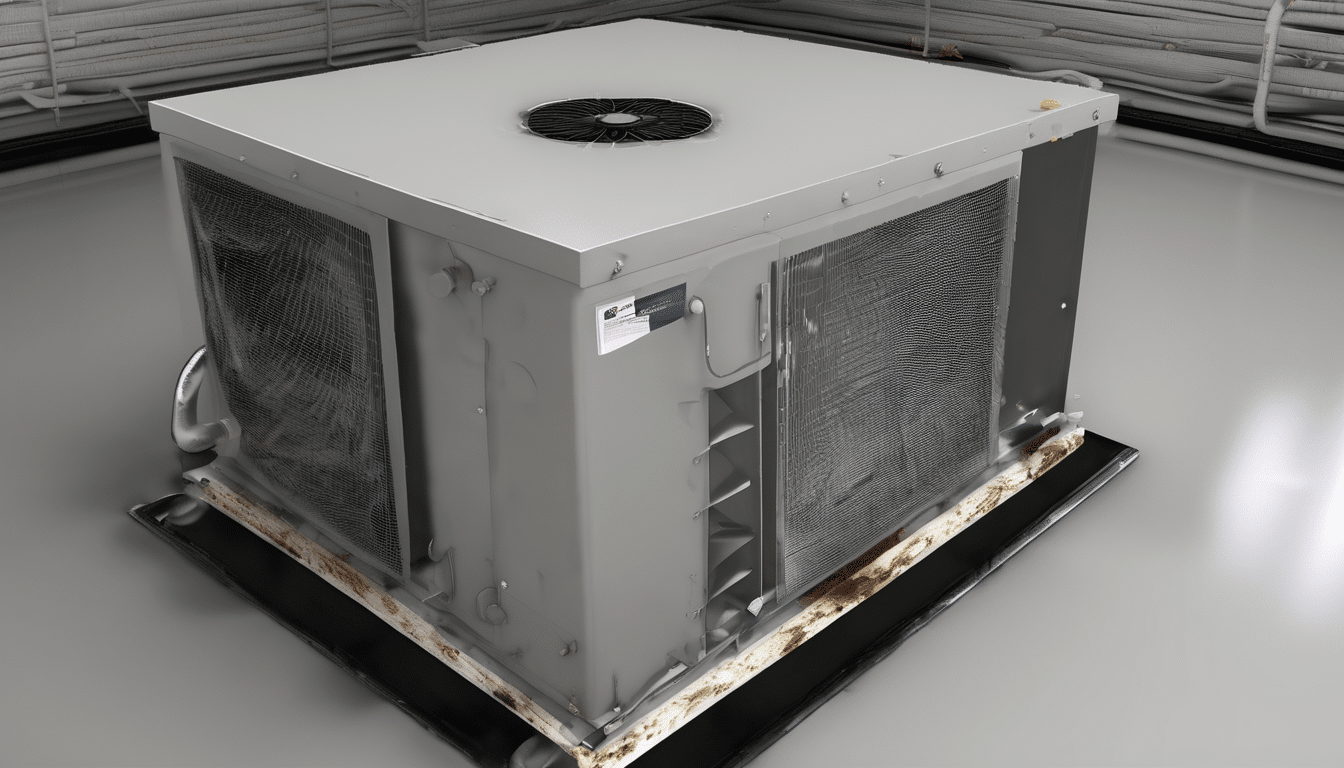
1. Inadequate Outdoor Air Supply: The most significant finding was that the air handling system delivered only 45 per cent of designed outdoor air. Physical inspection of the outdoor air intake ductwork revealed substantial dust accumulation and debris within the intake plenum reducing effective flow area. The outdoor air intake damper demonstrated restricted movement, limiting maximum opening to approximately 60 per cent. Design documentation indicated that damper should fully open but corroded linkages prevented complete operation. Combination of intake restriction and damper limitation reduced outdoor air delivery to 45 per cent of specification. When considering Indoor Air Quality Assessment Case Study Analysis, this becomes clear.
2. HVAC System Moisture Contamination: Visual inspection and cultures from the chilled water coil drain pan and coil surfaces documented active mould growth. Drain pan cultures yielded Aspergillus fumigatus and Stachybotrys species. The condensate collection system, designed to drain excess moisture from the cooling coil to the building’s drainage system, had become partially obstructed. Water pooled within the drain pan rather than flowing freely, creating an environment for biological proliferation. This contaminated coil then distributed mould spores throughout the building via the supply air stream. The importance of Indoor Air Quality Assessment Case Study Analysis is evident here.
3. Inadequate Maintenance and Commissioning: The building had not undergone comprehensive recommissioning since original installation in 2008. Facility management records showed routine filter replacement and seasonal checks but no verification of outdoor air delivery rates, damper operation, or biological contamination within components. The building management did not maintain baseline IAQ data that would have identified degradation over time. Understanding Indoor Air Quality Assessment Case Study Analysis helps with this aspect.
4. Building Envelope and Thermal Bridging: Thermal imaging identified multiple cold spots where concrete thermal bridges created surface temperatures below the dew point, promoting condensation formation and moisture accumulation. Particularly problematic were exterior wall-to-slab junctions where exposed concrete met the building perimeter without thermal interruption. Indoor Air Quality Assessment Case Study Analysis factors into this consideration.
This relates directly to Indoor Air Quality Assessment Case Study Analysis.
Discussion
Interpretation of Findings and Mechanisms
The comprehensive assessment identified a cascade of building system failures creating severely degraded indoor air quality. The primary mechanism driving elevated CO2 concentrations was the 55 per cent reduction in outdoor air delivery below design specification. This finding is directly supported by established HVAC principles: indoor CO2 concentration is determined by the balance between occupancy-related CO2 production and outdoor air ventilation rate. The measured CO2 concentrations and documented outdoor air deficit are consistent with straightforward ventilation calculations. For a space occupied by 30 persons generating approximately 7.5 grams of CO2 per person per hour (approximately 227 m³/hour total production at standard conditions), achieving 1,000 ppm CO2 concentration requires outdoor air flow of approximately 8,000 CFM. The measured 3,825 CFM outdoor air delivery proved insufficient to control CO2 concentrations. When considering Indoor Air Quality Assessment Case Study Analysis, this becomes clear.
The elevated relative humidity measurements, ranging up to 71 per cent, represent a secondary consequence of the reduced outdoor air ventilation. In the hot, humid environment of Dubai, outdoor air during much of the year contains absolute moisture loads of 10–15 grams per kilogram of dry air. Cooling and dehumidification of this outdoor air requires properly functioning cooling coils with adequate drain capacity. However, the contaminated coil with obstructed drainage could not effectively remove moisture. Reduced outdoor air percentages meant less dehumidification demand, yet the moisture from limited fresh air combined with moisture generated by occupant activities and materials resulted in elevated indoor humidity. The relative humidity measurements exceeding 70 per cent create an environment conducive to dust mite proliferation, which requires humidity between 45 and 75 per cent for survival and reproduction. The importance of Indoor Air Quality Assessment Case Study Analysis is evident here.
The detection of water-damage-associated species (WDAS) including Chaetomium and Stachybotrys provides clear evidence of moisture-related biological growth within the building and specifically within HVAC components. Stachybotrys, sometimes associated with mycotoxin production, grows on cellulose-based materials in wet conditions. Its detection on air-conditioning coil surfaces and in drain pans confirms active moisture accumulation. The elevated mould concentrations exceeding outdoor baseline by 111 per cent, well beyond the IICRC guideline threshold of 50 per cent elevation, indicate that the building is amplifying rather than filtering mould propagules. The contaminated HVAC system is distributing mould spores throughout the building. Understanding Indoor Air Quality Assessment Case Study Analysis helps with this aspect.
Particulate matter elevation to mean concentrations of 35 μg/m³, more than double the WHO guideline value, results from multiple contributing factors. The reduced outdoor air ventilation means diminished dilution of occupancy-generated particles. Human occupants continuously shed skin scales at rates of approximately 0.5 to 1.0 milligram per person per hour; 450 occupants generate 225–450 milligrams per hour of particulate matter. Without adequate ventilation, these particles accumulate. Additionally, the contaminated HVAC system with visible dust accumulation in intake ducts and unfiltered air leakage points introduces dust and debris directly into distribution system. Thermal bridge locations with condensation promote mould and dust mite proliferation, contributing additional biological particles. Indoor Air Quality Assessment Case Study Analysis factors into this consideration.
Volatile organic compound concentrations, though generally within guideline ranges with the exception of formaldehyde in specific locations, reflect typical office environment sources. Formaldehyde elevation above the AgBB reference value in four locations correlates precisely with locations in the recently renovated office suite. Building materials, particularly formaldehyde-containing adhesives in laminated furnishings and composite wood products, off-gas formaldehyde particularly in the first months after installation. The elevated limonene concentrations reflect cleaning product usage. Benzene detection throughout the building, though at modest concentrations, indicates infiltration of vehicle exhaust from the adjacent underground parking garage. This represents a particular concern for occupational health given benzene’s classification as a carcinogen. This relates directly to Indoor Air Quality Assessment Case Study Analysis.
Comparison with Published Literature
The findings of this case study are consistent with published research on factors degrading indoor air quality in commercial office buildings. A systematic review by Seppänen and Fisk (2006) documented that reduced outdoor air ventilation, whether due to system design limitations or operational restriction, consistently results in elevated CO2 concentrations and associated health impacts. Their meta-analysis of 100 published studies demonstrated that CO2 concentrations above 1,000 ppm correlate with reduced cognitive performance, increased sick leave utilisation, and escalated complaint rates among building occupants. The occupant complaints documented in the current case study are entirely consistent with exposure to 1,200–1,800 ppm CO2 concentrations. When considering Indoor Air Quality Assessment Case Study Analysis, this becomes clear.
Moisture-related biological contamination within HVAC systems has been extensively documented in building science literature. The National Institute for Occupational Safety and Health (NIOSH) investigation of building-related illness cases frequently identifies contaminated HVAC systems as primary causative factors. The current case study’s findings of Stachybotrys and Aspergillus species within coil drain pans and supply air streams align with published descriptions of HVAC-related contamination mechanisms. Shelton et al. (2002) documented that cooling coils with obstructed drainage create ideal conditions for mycological proliferation, with documented species including exactly those identified in the current investigation. The importance of Indoor Air Quality Assessment Case Study Analysis is evident here.
Particulate matter elevation to 35 μg/m³ mean concentration substantially exceeds levels reported in well-maintained commercial buildings. Published baseline data for high-performance buildings indicate typical PM2.5 concentrations of 10–20 μg/m³. The elevation documented in the current case reflects both inadequate ventilation (reduced dilution of occupancy-generated particles) and HVAC system contamination (dust resuspension from contaminated ducts and equipment). Understanding Indoor Air Quality Assessment Case Study Analysis helps with this aspect.
The formaldehyde elevation in recently renovated areas is expected and consistent with published off-gassing curves for building materials. Hardell et al. (2006) documented that formaldehyde emissions from laminated furniture decrease exponentially in the months following installation, with emission rates highest during the first 3–6 months. The elevation documented in the current case study, occurring 3 months post-installation, is entirely consistent with published kinetics. Indoor Air Quality Assessment Case Study Analysis factors into this consideration.
Alternative Explanations and Uncertainties
While the identified root causes adequately explain the documented indoor air quality degradation, alternative contributing factors warrant consideration. Outdoor air quality in Dubai during assessment periods averaged within typical ranges for an arid climate with some vehicle-related contamination. Outdoor PM2.5 concentrations during assessment periods averaged approximately 22–28 μg/m³, lower than indoor concentrations, confirming that outdoor infiltration does not explain all indoor elevation. However, some contribution to measured indoor particulate matter likely originates from outdoor sources during periods when windows are opened by occupants or when door openings create brief outdoor air infiltration. This relates directly to Indoor Air Quality Assessment Case Study Analysis.
The assessment did not include detailed analysis of volatile organic compounds originating from specific indoor sources beyond identification of furnishings and cleaning products as likely sources. Additional specific testing of individual office spaces would be required to definitively identify formaldehyde sources versus regional or building-wide sources. When considering Indoor Air Quality Assessment Case Study Analysis, this becomes clear.
Occupant behaviour modification represents an unmeasured variable. During the assessment period, occupants aware of ongoing investigation may have modified window opening frequency or ventilation fan usage. However, baseline measurements during unoccupied evening hours did not show anomalies, suggesting that occupancy behaviour did not substantially distort results. The importance of Indoor Air Quality Assessment Case Study Analysis is evident here.
Limitations and Sources of Uncertainty
Several limitations merit acknowledgment. The assessment duration of 14 days for continuous environmental monitoring captures representative conditions but may not encompass seasonal extremes or anomalous weather events. Dubai’s climate presents extreme conditions during summer months (June to August) with ambient temperatures exceeding 40°C and humidity exceeding 80 per cent. Assessment conducted in January and February represents moderate seasonal conditions. More severe conditions during summer would likely produce worse indoor air quality, with higher humidity amplifying moisture-related biological contamination. Understanding Indoor Air Quality Assessment Case Study Analysis helps with this aspect.
Volatile organic compound sampling employed passive SPME collection over 24-hour periods. This method provides time-averaged concentrations but may not identify brief peak exposures if specific activities concentrated VOC emissions temporally. Real-time VOC monitoring using photoionisation detection would provide improved temporal resolution but was not available for this assessment. Indoor Air Quality Assessment Case Study Analysis factors into this consideration.
Biological sampling used culturable methods that identify only viable organisms capable of growing on selected media under specified conditions. Some viable organisms fail to culture; others require specific culture media not employed in this assessment. Molecular methods such as quantitative polymerase chain reaction (qPCR) would provide more comprehensive quantification but were not utilised. This relates directly to Indoor Air Quality Assessment Case Study Analysis.
The assessment did not measure volatile metabolites produced by mould including mycotoxins and microbial volatile organic compounds (mVOCs) such as 2-methylisoborneol, which cause the musty odours reported by occupants. While mould species identified produce mycotoxins, toxin concentrations were not quantified. Musty odours reported by occupants likely result from mVOC production, though this was not directly measured. When considering Indoor Air Quality Assessment Case Study Analysis, this becomes clear.
The importance of Indoor Air Quality Assessment Case Study Analysis is evident here.
Post-Remediation Outcomes
Remediation Strategy and Implementation
Based on assessment findings, facility management implemented a comprehensive remediation protocol addressing identified root causes:
HVAC System Recommissioning: The outdoor air intake ductwork was disassembled and cleaned, removing accumulated dust and debris restricting flow. The outdoor air damper linkage was repaired and the damper fully opened and verified to function freely. The system was operated at 100 per cent outdoor air for 48 hours to purge ductwork and equipment of accumulated contamination. The entire air handling unit, including supply fan, cooling coil, and return air plenum, received professional cleaning using approved methods minimising dust generation. Understanding Indoor Air Quality Assessment Case Study Analysis helps with this aspect.
Condensate Drainage System: The obstructed drainage line from the cooling coil drain pan was cleared mechanically, and the drain pan was disinfected using approved antimicrobial treatment. Drainage was tested to confirm free flow. Treatment with an approved antimicrobial coating was applied to the drain pan to prevent regrowth of biological contamination.
Building Envelope Improvements: Thermal bridge locations at exterior wall-to-slab junctions were addressed through application of external thermal insulation finishing systems (EIFS) and interior-side thermal breaks. While complete envelope insulation was beyond project scope, the most critical thermal bridge locations were treated to reduce surface temperature reduction and eliminate dew point condensation.
Occupant Behaviour Modification: Building management implemented protocols to reduce occupancy-generated contaminant sources. Staff were educated regarding proper use of ventilation systems, restrictions on volatile chemical product use, and proper cleaning protocols minimising particle resuspension. Supply of volatile organic compound-emitting cleaning products was discontinued in favour of lower-VOC alternatives.
Post-Remediation Verification
Thirty days after remediation completion, comprehensive reassessment documented the following improvements:
Carbon dioxide concentrations in office areas declined to mean 735 ppm (compared to 1,245 ppm baseline), representing a 41 per cent reduction. Peak concentrations reached 980 ppm compared to 1,800 ppm baseline. Conference room CO2 peak concentrations declined to 1,150 ppm from 2,100 ppm baseline. Outdoor air delivery rate measured 7,650 CFM (compared to 3,825 CFM baseline), representing 90 per cent of design specification.
Relative humidity declined to mean 48 per cent (compared to 58 per cent baseline) and no measurements exceeded 65 per cent. Thermal bridge surface temperatures increased by 3–4°C, remaining above the dew point under all measured conditions, eliminating condensation risk.
Particulate matter (PM2.5) concentrations declined to mean 18 μg/m³ (compared to 35 μg/m³ baseline), reducing to within 20 per cent of WHO guideline value. Peak concentrations measured 28 μg/m³ compared to 62 μg/m³ baseline.
Culturable mould concentrations declined to mean 165 CFU/m³ (compared to 285 CFU/m³ baseline), representing a 42 per cent reduction. Indoor concentrations now exceeded outdoor baseline by only 22 per cent, within the IICRC guideline threshold of 50 per cent elevation. No water-damage-associated species were detected in post-remediation sampling.
Occupant complaint frequency declined substantially. Facility management documented zero reported complaints regarding air quality, odour, or respiratory symptoms in the three months following remediation compared to twelve complaints during the assessment period. Informal occupant surveys indicated improved perception of air quality, though formal post-remediation health survey was not conducted.
Figure 3: Key Parameters – Baseline vs. Post-Remediation Comparison
Threshold lines indicate guideline or acceptable levels. Green indicates improvement; measurements approaching or crossing threshold lines represent achievement of remediation targets.
Conclusion
This comprehensive case study demonstrates that systematic, multi-parameter indoor air quality assessment enables identification of specific contaminant sources and design of targeted remediation strategies. The investigation of a commercial office building in Dubai experiencing occupant complaints regarding air quality identified multiple contributing factors: deficient outdoor air ventilation accounting for only 45 per cent of design specification, resulting in elevated carbon dioxide concentrations exceeding 1,200 ppm in occupied areas; biological contamination of HVAC components including detection of water-damage-associated mould species; elevated relative humidity exceeding occupant comfort ranges and creating conditions favouring dust mite and mould proliferation; and particulate matter concentrations exceeding WHO guidelines by more than 100 per cent.
Root cause analysis identified that infrastructure deficiencies including restrictive outdoor air intake ductwork and inoperable damper linkages, combined with inadequate maintenance including obstructed cooling coil drainage promoting biological contamination, directly caused documented air quality degradation. These findings emphasise that indoor air quality degradation is not accidental but results from specific, identifiable system failures.
Implementation of science-based remediation addressing identified root causes produced measurable improvement in all parameters assessed. Post-remediation carbon dioxide concentrations declined to acceptable levels; relative humidity returned to comfort ranges; particulate matter concentrations reduced to near-guideline values; and biological contamination decreased substantially. Equally important, occupant complaints declined to zero following remediation, validating that scientific assessment and targeted remediation address the actual causes of occupant dissatisfaction rather than treating symptoms.
This case study supports the broader principle that building system failures causing indoor environmental degradation can be understood through systematic scientific investigation and remedied through engineering interventions targeting root causes. The building remained structurally unchanged; no major renovation was undertaken. Rather, restoration of intended system performance through recommissioning, component cleaning, and targeted repairs restored indoor environmental quality. This demonstrates that many indoor environmental problems reflect operational failures rather than inherent building deficiencies, and that scientific assessment identifying specific failure mechanisms enables cost-effective remediation.
Limitations of This Investigation
While this assessment provided comprehensive characterisation of indoor air quality and identification of root causes, several limitations warrant acknowledgment for readers considering applicability to other buildings. Assessment duration of 14 days for continuous monitoring represents typical conditions in Dubai winter but may not encompass seasonal extremes. Summer conditions in Dubai produce ambient temperatures exceeding 40°C and humidity exceeding 80 per cent; air quality degradation would likely be more severe under these conditions. The assessment did not quantify mycotoxins or microbial volatile organic compounds responsible for musty odours reported by occupants. Detailed financial cost-benefit analysis of remediation measures was not conducted; remediation cost allocation between various measures was not documented. Long-term monitoring data beyond the three-month post-remediation period was not available at the time of case study preparation.
These limitations do not diminish the scientific validity of findings regarding contamination sources and remediation effectiveness. Rather, they identify areas where extended investigation would provide additional insights for building management and future building design.

JV de Castro
JV de Castro is the Chief Technology Officer at Saniservice, where he leads innovation in indoor environmental sciences, IT infrastructure, and digital transformation. With over 20 years of experience spanning architecture, building science, technology management, digital media architecture, and consultancy, he has helped organizations optimize operations through smart solutions and forward-thinking strategies. JV holds a Degree in Architecture, a Masters of Research in Anthropology, an MBA in Digital Communication & Media, along with certifications in mold, building sciences and building technology. Passionate about combining technology, health, and sustainability, he continues to drive initiatives that bridge science, IT, and business impact.

Leave a Reply