AC Duct Cleaning vs AC Deep Cleaning in Dubai
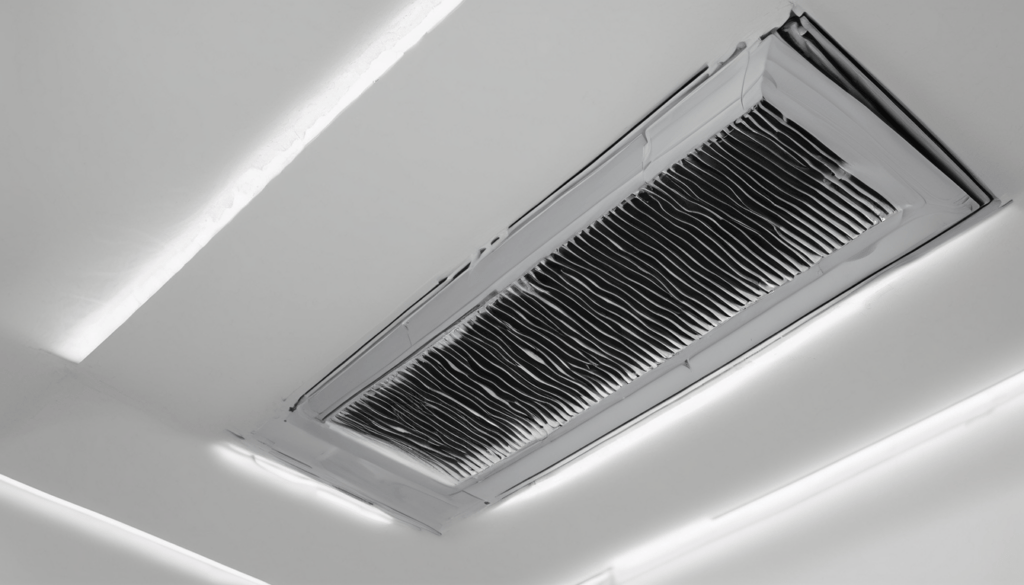
Understanding AC Duct Cleaning vs AC Deep Cleaning: What is essential. When people ask about AC Duct Cleaning vs AC deep cleaning, the question is more important than it first appears. These two services address different parts of the same system, carry different scopes of work, and are recommended for different conditions. Choosing the wrong one means either overpaying for work you did not need or underinvesting in the maintenance your system actually requires. This comparison breaks both services down clearly, so you can have an informed conversation with any qualified technician before agreeing to a scope of work.
In Dubai’s climate, where air conditioning runs continuously for most of the year, the distinction matters more than in cooler regions. Dust accumulation inside duct networks is significantly faster here than in temperate climates, and the combination of fine desert particulates with condensation inside fan coil units creates conditions that a surface-level service may not resolve. Understanding what each service covers, and what it leaves untouched, is the starting point for any meaningful maintenance decision.
What AC Duct Cleaning Actually Covers
AC duct cleaning is specifically focused on the internal airways of your ventilation system: the supply ducts, return ducts, branch lines, and in some cases the plenum chambers and diffuser connections. The objective is to remove accumulated dust, particulates, and biological matter from the internal surfaces of these passages before they recirculate through the air your occupants breathe.
A properly executed duct clean follows NADCA-aligned methodology. This involves negative pressure containment, a high-powered vacuum system attached to the duct network to capture dislodged material rather than redistribute it, combined with mechanical agitation tools such as rotating brushes or air whips that work through access panels to break debris loose from duct walls. The process is systematic, working from the furthest supply branches back toward the main air handling unit.
What Duct Cleaning Does Not Include
Duct cleaning does not typically include the fan coil unit itself, the evaporator coil, the drain pan, or the blower fan assembly. These are internal components within the air handling unit rather than the duct network. Many service providers offer duct cleaning as a standalone scope that ends at the duct connection point, leaving the components that condition and circulate the air entirely unaddressed.
This is a meaningful gap. If your drain pan is carrying biological growth or your evaporator coil is heavily fouled, cleaned ducts will recontaminate within weeks as conditioned air passes over those surfaces on every cycle. Duct cleaning alone, without component assessment, addresses one part of a connected system.
What AC Deep Cleaning Actually Covers
AC deep cleaning is a broader scope that includes the internal components of the air handling unit itself: the evaporator coil, the blower fan, the drain pan, the filter housing, and the unit casing. In a fan coil unit, the most common indoor unit type found in Dubai apartments, villas, and commercial buildings, this means disassembling accessible parts of the unit and cleaning them individually using appropriate techniques, including coil fin cleaning, drain pan flush, and blower fan decontamination.
Deep cleaning addresses the parts of the system that most directly affect cooling performance and air hygiene. A fouled evaporator coil reduces heat transfer efficiency, which forces the system to work harder, extends run times, and increases electricity consumption. A blocked drain pan is the most common source of water leakage from indoor units. A contaminated blower fan redistributes material directly into the airstream with every cycle.
What Deep Cleaning Does Not Include
Deep cleaning of the indoor unit does not inherently include the duct network. Many deep cleaning scopes begin at the unit and end where the ducts connect. If the ductwork in a property has not been cleaned in several years, a thorough component clean of the indoor unit is an incomplete solution; the ducts will continue delivering contaminated air across freshly serviced coils and fans.
This is the mirror image of the duct-only problem. Each service, taken independently, leaves something meaningful unaddressed. The connection between the two is where a professional assessment earns its value.
The Core Difference in Plain Terms
The core difference is location within the system. Duct cleaning works on the air passages. Deep cleaning works on the mechanical and thermal components of the air handling unit. A complete maintenance approach, particularly in a property that has not had either service in more than two years, considers both parts of the system, not just the one that appears most visible or most urgently symptomatic.
Field investigations conducted by Saniservice technicians across Dubai villas, apartment towers, and commercial properties consistently show that duct contamination and unit contamination occur in parallel. A property with visibly dust-laden supply grilles typically also has evaporator coils carrying accumulated particulates, because the same operational conditions that allow duct buildup also affect the components within the unit.
When Duct Cleaning Is the Right Call
Duct cleaning is the appropriate primary scope when the primary complaint involves air quality rather than cooling performance. If a household notices increased dust settling on surfaces shortly after AC operation, allergy-type symptoms that improve when the AC is off, or visible particulate discharge from supply diffusers, the duct network is the likely source and the most direct intervention.
It is also the right scope in post-renovation or post-construction situations. Construction dust, drywall particulates, and adhesive residues enter duct systems during building works and remain there unless physically removed.
Properties that have had their indoor units serviced recently but have not cleaned their duct network in two or more years benefit most directly from a dedicated duct clean rather than a repeat component service.
When Deep Cleaning Is the Right Call
Deep cleaning is the appropriate primary scope when the complaint involves cooling performance, water leakage from the indoor unit, or unusual odour on startup. These symptoms point to the components within the air handling unit rather than the duct passages. A coil that is blocked with dust cannot transfer heat effectively. A drain pan that is partially obstructed will overflow. A blower fan with accumulated material on its impeller blades will produce an odour signature and reduced airflow volume.
In Dubai’s climate, where units often operate 16 to 20 hours per day during summer, the evaporator coil and drain pan are high-frequency maintenance items. Annual deep cleaning of indoor units is a commonly observed industry minimum across the UAE for residential split systems and fan coil units. High-use commercial environments, hotel rooms, restaurant kitchens, school classrooms, may warrant more frequent component servicing based on usage and occupancy load.
When Both Services Are Needed Together
In most Dubai properties that have not had documented professional maintenance in two or more years, both services are appropriate together. The technical rationale is straightforward: cleaning duct passages while leaving fouled coils in place means conditioned air continues passing over compromised surfaces. Cleaning coils while leaving contaminated duct networks in place means fresh component surfaces are immediately downstream of a contamination source.
Saniservice’s NADCA-certified approach to AC cleaning treats the system as a whole rather than as isolated parts. An assessment considers both the duct network and the indoor unit components before recommending scope. This is not an upsell position; it is a technical position. A service recommendation that ignores half the system is, by definition, incomplete.
Read more: How Often Should AC Ducts Be Cleaned in Dubai?
How a Professional Assessment Determines Scope
A qualified technician should inspect before recommending. Visual inspection of supply and return grilles, combined with an internal duct inspection where access allows, gives a working indication of duct condition. Inspection of the indoor unit, filter condition, drain pan visibility, coil face contamination, gives a working indication of component condition. These findings together determine the appropriate scope for that specific property.
Variables that affect quoted scope include the number and configuration of indoor units, the total duct network length, accessibility for duct cleaning equipment, the age and maintenance history of the system, and any specific IAQ concerns raised during the assessment. Cost-intent questions are best answered with a property-specific assessment rather than a generic estimate, because two properties in the same building can have meaningfully different scopes based on use, age, and maintenance history.
Side-by-Side Comparison
- Primary target: Duct cleaning, internal airways, supply and return passages. Deep cleaning, evaporator coil, blower fan, drain pan, unit casing.
- Primary symptom addressed: Duct cleaning, dust recirculation, air quality complaints, post-construction particulates. Deep cleaning, reduced cooling, water leakage, odour on startup.
- Recommended frequency (Dubai climate): Duct cleaning, every 2 to 3 years under normal conditions, or after renovation. Deep cleaning, annually for residential split systems and FCUs, more frequently for high-occupancy commercial.
- Certification standard: Duct cleaning, NADCA methodology for containment and agitation. Deep cleaning; IICRC and IAC2 standards where microbial assessment is also involved.
- Standalone value: Both deliver measurable improvement when the identified contamination is limited to the area they address. Neither replaces the other when both areas are affected.
Key Takeaways Before You Book
Ask any service provider to confirm exactly what their scope includes and excludes before work begins. A professional cleaning service that cannot clearly distinguish between duct network cleaning and indoor unit component cleaning is not yet operating at the standard you should expect.
Insist on a documented service report. NADCA-certified providers produce a written record of what was done, where access was made, and what the pre- and post-service condition was. This documentation protects you as the property owner and provides a baseline for the next maintenance cycle.
If your property has not had professional AC maintenance in more than two years, a combined assessment, covering both duct condition and indoor unit condition, is the most efficient starting point. From that assessment, the right scope becomes a matter of evidence rather than assumption.
Frequently Asked Questions
What is the main difference between AC duct cleaning and AC deep cleaning?
AC duct cleaning addresses the internal airways of the ventilation system, supply and return passages, to remove accumulated dust and particulates. AC deep cleaning addresses the components inside the indoor unit itself, including the evaporator coil, blower fan, and drain pan. Both parts of the system can require attention simultaneously, and a professional assessment determines which scope is appropriate for a given property.
How often should AC ducts be cleaned in Dubai?
Under normal residential conditions in Dubai, duct cleaning is commonly recommended every two to three years. Properties that have undergone renovation, construction works, or a change in occupancy may require more frequent cleaning. Dubai’s continuous cooling demand and fine desert dust load make duct inspection a worthwhile part of any annual maintenance review, even if a full clean is not carried out every year.
Can I have deep cleaning done without cleaning the ducts?
Yes, and in many cases it is the appropriate scope; particularly when the primary symptoms are cooling performance, water leakage, or odour from the indoor unit rather than air quality complaints. However, if the duct network has not been cleaned in several years, component-only cleaning may produce limited long-term benefit, because the duct system will continue delivering contaminated airflow across freshly serviced components.
Does AC duct cleaning improve air quality in Dubai apartments?
Based on field investigations, cleaning heavily contaminated duct networks produces measurable improvement in particulate load and airborne dust levels in occupied spaces. The degree of improvement depends on baseline duct condition and whether the indoor unit components are also addressed. Duct cleaning alone is most effective when the primary contamination source is the duct network rather than the indoor unit or outdoor environment.
What certifications should a Dubai AC cleaning company hold?
For duct cleaning, NADCA certification is the relevant industry standard, covering methodology for containment, agitation, and collection. For broader indoor air quality and mold-related assessments, IICRC and IAC2 certifications are the recognised benchmarks. Triple ISO certification (9001, 14001, 45001) by an accredited body demonstrates documented quality, environmental, and safety management standards across all service operations.
Is deep cleaning enough if my AC unit is not cooling well in Dubai?
Reduced cooling performance in a Dubai air conditioning unit is commonly linked to fouled evaporator coils or restricted airflow through the unit, both of which fall within the scope of deep cleaning. However, if the system is low on refrigerant, has a compressor fault, or suffers from refrigerant circuit issues, cleaning alone will not restore performance. A qualified technician should assess both maintenance condition and mechanical function before confirming a scope of work.
How do I know if my Dubai property needs duct cleaning or deep cleaning?
The symptom pattern is usually the best starting indicator. Dusty supply grilles, increased surface dust shortly after AC runs, or air quality concerns point toward duct cleaning. Water leakage from the indoor unit, reduced cooling output, or odour on startup point toward deep cleaning. For properties without a recent maintenance history, a professional assessment covering both areas gives the clearest picture before any scope is confirmed.