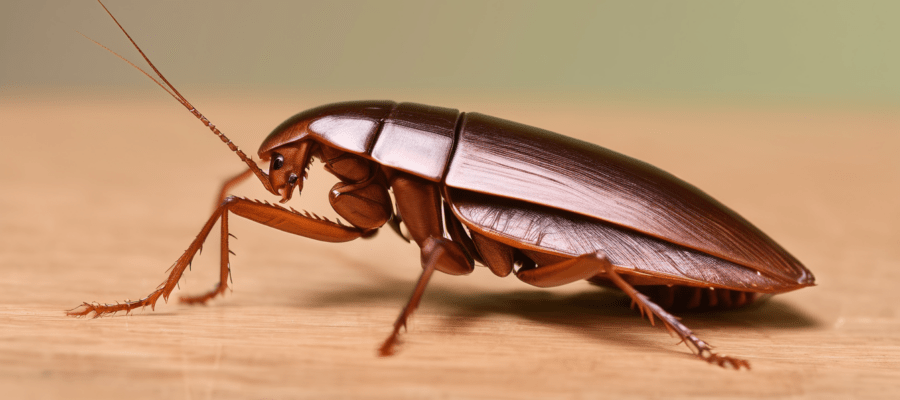
Cockroach pest control services Dubai residents rely on are not simply a matter of applying a chemical and waiting. Effective control begins with understanding why cockroaches are present, where they are nesting, what conditions are sustaining them, and only then determining which treatment method is appropriate. In Dubai’s climate — warm year-round, often humid, and characterised by dense residential and commercial building stock — cockroach pressure is a persistent reality rather than a seasonal inconvenience. A professional assessment addresses the root cause; a spray alone does not.
This guide is written from direct field experience across Dubai’s residential towers, villas, hotel properties, restaurant kitchens, and labour accommodations. The patterns are consistent enough to form a framework. What follows is a complete reference for property owners, facility managers, and anyone responsible for a Dubai building who wants to understand what professional cockroach control actually involves — from the first inspection through to verified clearance.
Why Dubai’s Built Environment Suits cockroaches So Well
Cockroaches are one of the most adaptable insects on the planet, but Dubai’s conditions are particularly accommodating. Ambient temperatures rarely fall below the threshold at which cockroach activity slows, meaning populations do not experience the natural winter dieback that limits infestations in cooler climates. For the cockroach, Dubai is effectively a permanent summer.
Humidity plays a critical role. The combination of air conditioning condensate, poorly sealed plumbing penetrations, and the sheer volume of food and waste moving through a dense urban environment creates conditions that support large, established colonies. High-rise buildings are especially vulnerable: shared drainage stacks, communal waste chutes, and the interconnected pipe networks that run between floors allow cockroaches to move between units in ways that a single-apartment treatment cannot address in isolation.
The two species most commonly encountered in professional investigations are the German cockroach (Blattella germanica) and the American cockroach (Periplaneta americana). These are meaningfully different pests. German cockroaches are smaller, reproduce faster, and favour indoor kitchen and bathroom environments. American cockroaches are larger, tolerate outdoor conditions, and often enter buildings through drainage infrastructure. The correct control strategy differs between them, which is one of several reasons why species identification precedes any treatment decision.
The Inspection Stage — Where Professional Control Begins
Every credible cockroach control engagement starts with a structured inspection. This is not a formality. The inspection determines species, activity level, nesting zones, harborage points, and environmental conditions contributing to the infestation. Skipping or abbreviating this step is the single most common reason why repeated treatments fail to produce lasting results.
What a Professional Inspector Looks For
Trained inspectors examine the spaces cockroaches favour: behind and beneath appliances, inside electrical conduit entry points, within cabinetry voids, around plumbing under-sink areas, at the junction of false ceilings and walls, and inside waste management areas. In commercial kitchens, the inspection extends to equipment plinths, grease traps, drainage channels, and storage areas where cardboard boxes — a preferred harborage material — accumulate.
Inspectors also look for evidence rather than just live insects. Cockroach droppings, cast skins, egg cases (oothecae), and the characteristic musty odour produced by large colonies all indicate established infestations. The distribution of evidence across a property allows an experienced inspector to map activity and identify the likely population centre before any treatment begins.
Multi-Unit and High-Rise Considerations
In Dubai’s apartment towers, a single-unit inspection often reveals infestation originating from shared infrastructure rather than from within the unit itself. Drainage riser ducts, service corridors, and communal waste rooms are common origin points. A professional assessment that limits itself to one apartment without investigating the surrounding building context frequently produces incomplete findings and, consequently, incomplete results.
Understanding the Treatment Methods Used by Professional Services
Professional cockroach control in Dubai draws on several treatment modalities, and responsible operators select from these based on inspection findings rather than applying a single method uniformly.
Gel Bait Application
Gel bait is among the most targeted and evidence-supported methods available for indoor cockroach control. Small quantities of bait are placed at specific harborage points identified during inspection. Cockroaches consume the bait and return to the colony, where secondary transfer of the active compound occurs. This cascade effect is particularly effective against German cockroach populations in kitchen environments.
The precision of gel bait application is one of its primary advantages. It requires minimal chemical volume, produces no airborne residue, and can be applied in sensitive environments including commercial food preparation areas. In Saniservice’s minimum-effective-chemical methodology, gel bait frequently forms the primary treatment component for indoor infestations, supplemented by other methods only where inspection findings justify it.
Residual Insecticide Application
Residual insecticides — liquid formulations applied to surfaces where cockroaches travel — are appropriate in certain contexts, particularly for perimeter treatment and drainage infrastructure. In Dubai, applications targeting American cockroaches often focus on external drainage access points, manhole covers, and building perimeter entry points. Dubai Municipality-approved formulations are the standard for licensed operators, and responsible providers document the chemistry used, the concentration applied, and the specific locations treated.
Broadcast residual spraying without a preceding inspection and species identification is a pattern associated with lower-quality service providers. The result is typically temporary reduction in visible activity rather than population control, because nesting sites remain undisturbed.
Insect Growth Regulators
Insect growth regulators (IGRs) are compounds that interfere with cockroach development, preventing nymphs from reaching reproductive maturity. They do not kill adult cockroaches directly but reduce population growth over time by interrupting the reproductive cycle. IGRs are frequently combined with bait or residual treatments as part of an integrated programme, particularly in environments where rapid reinfestation pressure is high.
Mechanical and Non-Chemical Interventions
Professional services aligned with integrated pest management (IPM) principles give equal weight to non-chemical interventions. Sealing plumbing penetrations with appropriate materials, fitting drain covers, improving ventilation, addressing moisture sources, and removing harborage materials are all components of sustainable control. Chemical treatment without these structural corrections produces results that diminish as conditions continue to support reinfestation.
Residential Cockroach Control in Dubai
Dubai’s residential property stock is diverse, and the approach to cockroach control varies meaningfully across building types.
Apartments and High-Rise Units
The most frequently reported scenario in apartment settings involves German cockroach infestations originating in kitchen areas, often introduced through grocery packaging or building infrastructure. Professional treatment in this context combines inspection, gel bait placement, targeted residual application where appropriate, and a conversation with building management about shared-area conditions.
Residents occupying ground-floor and lower-level units in older Dubai buildings — particularly in areas such as Deira, Bur Dubai, Al Barsha, and Discovery Gardens — often encounter American cockroach pressure from drainage systems. In these cases, treatment must address both the interior of the unit and the external drainage access points, typically requiring coordination with building management or a property-wide service engagement.
Villas
Dubai villas, particularly those in older compound communities or located near landscaped areas, experience both species. American cockroaches commonly enter through poorly maintained drainage and utility access points. Inspection of external areas — garden drains, utility rooms, and perimeter entry points — is integral to villa assessments. Internal gel bait treatment combined with perimeter residual application and drainage treatment represents a typical professional programme for a villa property.
Commercial Cockroach Control in Dubai
Commercial environments carry higher stakes. In the food and beverage sector, cockroach presence is a direct regulatory compliance matter under Dubai Municipality health and safety standards. A single inspection by a Dubai Municipality environmental health officer identifying cockroach evidence in a commercial kitchen can result in closure. This regulatory context makes professional cockroach control services Dubai restaurant and hotel operators commission an operational necessity, not a discretionary expense.
Restaurants and Hotel Kitchens
Commercial kitchen environments present specific challenges. High ambient temperatures, continuous food handling, frequent deliveries (each a potential introduction vector), and the structural complexity of equipment-heavy spaces all sustain cockroach pressure. Effective control in these environments requires treatment outside operating hours, use of food-safe formulations approved for food-handling areas, and documentation of every application — the chemical used, its concentration, the areas treated, and the date of service.


Saniservice’s SaniCorp division approaches commercial kitchen engagements with this documentation standard as a baseline requirement. Facility managers and food safety teams should expect the same from any credible professional operator.
Hotels and Hospitality Properties
Hotels face additional complexity because guest-facing areas, back-of-house operations, and infrastructure are all under the same roof. A professional cockroach control programme for a hotel property typically operates on a scheduled preventive cycle — monthly or quarterly inspections and treatments — rather than reactive call-outs. The goal is maintaining a documented audit trail that satisfies both internal quality standards and any external regulatory inspection.
Labour Accommodations
Labour accommodation facilities in Dubai and across the UAE present a distinct risk profile. High occupancy density, shared kitchen and sanitation infrastructure, and the logistical complexity of treating occupied buildings make professional management of cockroach pressure in these facilities a specialist engagement. Site-wide inspection, structural recommendations, scheduled treatment programmes, and occupant education all form part of a comprehensive approach.
What Professional Cockroach Control Costs in Dubai
The scope and cost of a professional cockroach control engagement in Dubai is determined by the property type, its size, the severity and species of infestation identified during inspection, and whether the service includes follow-up visits. A villa requiring inspection, species identification, gel bait treatment, and perimeter drainage application will be quoted differently from a single apartment or a commercial kitchen programme.
Responsible providers do not quote from a generic price list before conducting an inspection. The variables that affect a properly scoped engagement — infestation severity, building age, number of floors, access to drainage infrastructure, the need for follow-up visits — cannot be assessed remotely. A property-specific assessment is the appropriate basis for any quotation.
It is worth noting that the least expensive service is frequently the most costly over time. Treatments that produce temporary results because they do not address root conditions generate repeat call-out costs, continued food contamination risk, and in commercial settings, potential regulatory consequences that outweigh any initial saving.
How to Evaluate a Professional Cockroach Control Provider in Dubai
Not all pest control operators licensed in the UAE operate to the same standard. Dubai Municipality licensing establishes a baseline, but the quality of inspection, the rigour of treatment methodology, and the depth of documentation vary considerably across the market.
Questions Worth Asking Before Engaging a Provider
- Is the operator licensed by Dubai Municipality for pest control operations?
- Does the inspection precede treatment, or is a generic programme quoted before site assessment?
- Are the chemicals used disclosed, including the specific formulation and concentration?
- Is a service report provided after each treatment documenting what was applied, where, and at what concentration?
- Are follow-up visits included, and under what conditions?
- Does the operator carry ISO certification or operate under a documented quality management system?
Saniservice’s SaniEx division operates under Dubai Municipality certification and Saniservice’s triple ISO certification (ISO 9001, ISO 14001, ISO 45001), verified by Bureau Veritas. Every treatment is preceded by inspection, every chemistry is disclosed, and every service generates a documented record. These are not optional features — they are baseline operating standards that any professional operator in the UAE should be able to demonstrate.
The Role of Prevention in Long-Term Cockroach Management
Treatment resolves an existing infestation. Prevention determines whether it returns. In Dubai’s year-round warm climate, with continuous building activity, dense urban environments, and persistent drainage-based pressure, prevention is not an optional complement to treatment — it is the mechanism by which treatment outcomes are preserved.
Structural Measures That Reduce Reinfestation Risk
Sealing plumbing penetrations where pipes pass through walls, floors, and ceilings is among the highest-impact preventive measures available. In older Dubai buildings, these penetrations are frequently unsealed or fitted with deteriorated seals, providing direct internal access from drainage infrastructure. Fitting drain covers and maintaining them in good repair prevents American cockroaches from entering through the most common external route.
In kitchen environments — both residential and commercial — controlling the accumulation of cardboard packaging, maintaining appliance gaps free of organic debris, and ensuring that food is stored in sealed containers removes the harborage and food sources that sustain populations between treatment cycles.
Scheduled Preventive Programmes
For commercial operators in particular, a scheduled preventive programme — rather than reactive treatment after evidence of infestation — is the operationally sound approach. Monthly or quarterly inspections with treatment applied where evidence warrants it, combined with a documented service record, supports both internal quality management and external regulatory compliance.
Key Takeaways for Property Owners and Facility Managers
- Species identification during inspection determines treatment method — German and American cockroaches require different approaches.
- In high-rise buildings, infestation frequently originates from shared infrastructure rather than within the individual unit.
- Gel bait applied precisely at harborage points is among the most effective, lowest-chemical-volume methods for indoor infestations.
- Dubai Municipality-approved chemistry and documented service records are baseline requirements of professional operators.
- Prevention — structural sealing, drainage management, harborage removal — is what preserves treatment outcomes over time.
- Commercial operators face regulatory consequences under Dubai Municipality health standards; preventive programmes are the appropriate risk management posture.
- Cost is determined by property type, infestation severity, and programme scope — a site inspection is the basis for any credible quotation.
Frequently Asked Questions
How long does cockroach treatment take to work in a Dubai apartment?
For gel bait treatment targeting German cockroaches, a measurable reduction in activity is commonly observed within seven to fourteen days. Full population suppression, including effect on the egg cycle, typically requires four to six weeks. A follow-up inspection at this point confirms whether a second treatment cycle is needed.
Why do cockroaches keep returning after treatment in Dubai buildings?
Reinfestation following treatment almost always indicates that the source conditions have not been addressed. In Dubai high-rise buildings, this commonly means that drainage infrastructure or shared service corridors remain unsealed. Treatment of a single unit without addressing building-wide entry points produces temporary results. A site inspection that maps the origin of pressure is the correct starting point.
Is gel bait safe to use in a Dubai kitchen with children and pets?
Gel bait formulations approved by Dubai Municipality for indoor food-area use are applied in small quantities at precise, targeted locations — typically behind appliances and inside cabinetry. When applied correctly by a licensed operator, direct contact by children or pets with bait points is unlikely. The operator should disclose the specific formulation used so that any questions about the active compound can be addressed directly.
Do I need to vacate my property during cockroach treatment in Dubai?
For gel bait programmes, vacating the property is generally not required. For residual insecticide applications, the licensed operator will advise on the appropriate re-entry period based on the specific formulation applied. In commercial kitchens, treatment is typically scheduled outside operating hours as a matter of practice. Always confirm the re-entry guidance with the operator before treatment.
What is the difference between a one-time treatment and a scheduled programme?
A one-time treatment addresses the current infestation but does not provide ongoing protection. In Dubai’s year-round warm climate, reinfestation pressure — particularly from drainage-based American cockroach ingress — is continuous. A scheduled programme, typically monthly or quarterly, includes periodic inspection and treatment where evidence warrants, maintaining suppression over time and generating a documented service record suitable for regulatory review.
Are Dubai Municipality-approved pest control chemicals safe for commercial food areas?
Dubai Municipality maintains a list of approved formulations, and licensed operators are restricted to these products for commercial engagements. Responsible providers disclose the chemistry used, the concentration applied, and the specific areas treated as part of their standard service documentation. If a provider cannot produce this documentation on request, that is a material quality indicator worth noting.
How do I know if Cockroach Pest Control services in Dubai are actually working?
A follow-up inspection, typically scheduled four to six weeks after initial treatment, is the standard method for confirming efficacy. Evidence of active infestation — live insects, fresh droppings, new oothecae — indicates that population suppression is incomplete and that a second treatment cycle or additional structural interventions may be warranted. A credible provider will build this follow-up into the original programme scope.
Conclusion
Cockroach pest control services Dubai property owners and facility managers commission operate most effectively when they are built on three foundations: a rigorous inspection that identifies species, origin, and environmental conditions; targeted treatment methods matched to those findings rather than applied generically; and structural and behavioural prevention measures that protect the outcome over time.
Dubai’s climate, building density, and year-round warmth mean that cockroach pressure is a managed reality rather than a resolvable one-off event. The operators who understand this — who lead with inspection, disclose their chemistry, document their work, and design programmes around long-term suppression rather than short-term visibility reduction — are the ones worth engaging. For commercial operators under Dubai Municipality oversight, that standard is also a regulatory requirement. For residential property owners, it is simply the difference between a problem resolved and a problem deferred.
If a property assessment would help clarify the appropriate scope, Saniservice’s SaniEx division operates across Dubai and all seven emirates, under Dubai Municipality certification and triple ISO accreditation. The first conversation begins with an inspection, not a quote. Understanding Cockroach Pest Control Services Dubai is key to success in this area.