10 Must-Know Facts About Mold in Dubai Homes Risks
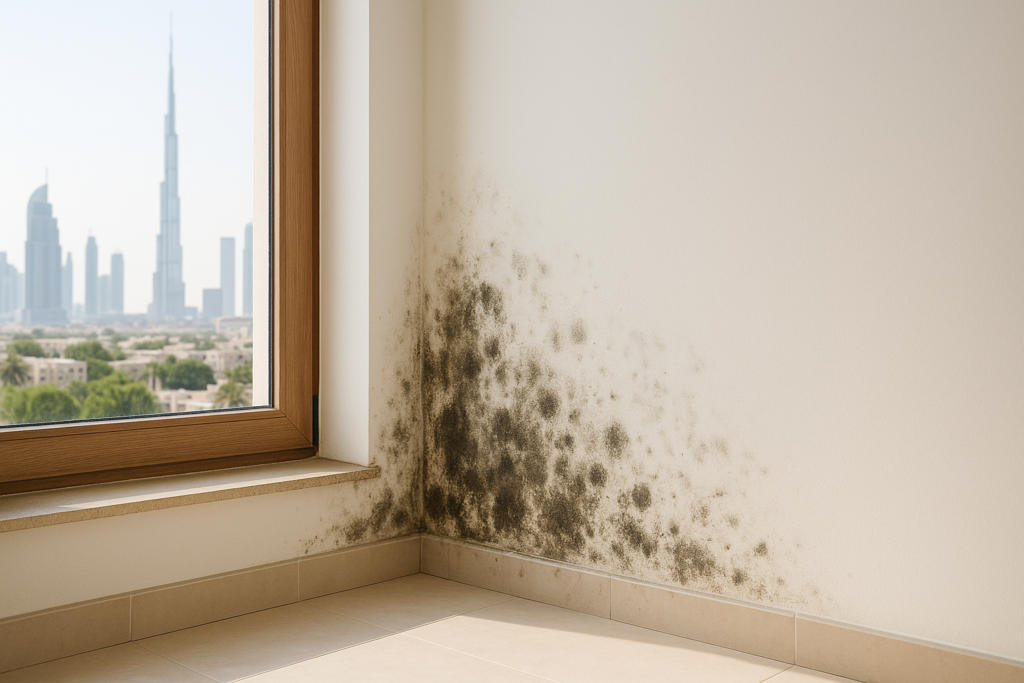
Common Health Issues from Mold Exposure
Mold in Dubai homes risks present a significant challenge for residents. Exposure to mold spores can cause a range of health problems, depending on individual sensitivity and the extent of mold growth. Typical symptoms include allergic reactions such as sneezing, nasal congestion, and itchy eyes. Respiratory issues like coughing, wheezing, and shortness of breath affect many people residing in mold-infested environments.
More serious conditions, including asthma exacerbation and chronic bronchitis, have been linked to prolonged mold exposure. Due to Dubai’s humid climate and modern home ventilation systems, mold spores can spread rapidly indoors if left unchecked. Hence, understanding these risks is vital for protecting your health and that of your family.
Research conducted locally by Dubai’s health authorities highlights frequent respiratory complaints associated with damp homes harboring mold. Individuals with weakened immune systems or pre-existing lung conditions are more vulnerable to severe reactions from mold in Dubai homes risks.
Main Causes of Mold in Dubai Homes
The primary factors contributing to mold in Dubai homes risks include excess moisture, poor ventilation, and water damage. Dubai’s climate, though arid traditionally, is now complemented by increased humidity and indoor condensation due to widespread air conditioning use. This creates ideal conditions for mold growth on walls, ceilings, and flooring materials.
Water leaks from plumbing, roofs, or improperly sealed bathrooms are common culprits. Construction methods, such as using porous building materials without proper waterproofing, can exacerbate the situation. Additionally, limited fresh air circulation in high-rise apartments of areas like Dubai Marina or Business Bay encourages mold spores to proliferate.
Controlling indoor humidity levels below 60% with dehumidifiers and ensuring regular maintenance of AC units reduces mold growth significantly. Awareness of these causes helps Dubai homeowners take actionable steps to mitigate mold in Dubai homes risks in their properties.
High-Risk Populations for Mold-Related Illness
Certain groups in the Dubai population face higher severity from mold in Dubai homes risks. Young children, the elderly, and people with allergies or asthma are notably susceptible. Pregnant women and those undergoing immunosuppressive therapies have weaker defenses and face increased complications linked to mold exposure.
Residents living in older or poorly maintained buildings in localities such as Nad Al Sheba or Arabian Ranches might experience elevated exposure due to aging infrastructure. Moreover, frequent travelers or labor workers in communal housing with insufficient ventilation can also face risks if mold in Dubai homes risks are present indoors.
Dubai Municipality and Dubai Health Authority (DHA) recognize these vulnerable groups and advocate stronger preventive measures in sensitive environments such as schools, hospitals, and daycare centers where mold in Dubai homes risks may arise if humidity is uncontrolled.
Preventing Mold Growth Effectively
Prevention is the smartest approach to limit mold in Dubai homes risks. Key practical steps include controlling indoor humidity, repairing water leaks immediately, and enhancing home airflow. Installing exhaust fans in kitchens and bathrooms and ensuring windows can open for ventilation are simple yet powerful methods against mold in Dubai homes risks.
Regular cleaning of HVAC systems and avoiding carpeting in moist areas can reduce spore accumulation.
Dubai residents should monitor humidity levels regularly with hygrometers and act promptly if signs of dampness appear. Taking these precautions preserves indoor air quality and decreases health hazards related to mold in Dubai homes risks substantially.
Signs Mold is Damaging Your Home
Recognizing mold damage early is critical given the risks mold in Dubai homes entails for both health and property. Visual cues include black, green, or white fuzzy patches on walls, ceilings, or around water sources. Musty odors that persist despite cleaning are reliable indicators of hidden mold growth and possible mold in Dubai homes risks.
Structural signs include peeling paint, warped drywall, and condensation buildup on windows or pipes. If you notice increased allergy symptoms when spending time indoors, this may also be a warning of mold contamination, which could signify mold in Dubai homes risks are worsening.
It’s advisable to conduct regular home inspections or hire professionals if any such signs arise. Ignoring these clues can magnify mold in Dubai homes risks, leading to worsening property damage and deeper health risks.
Professional Mold Removal in Dubai
Handling mold in Dubai homes risks often requires expert intervention to ensure thorough remediation. Professional mold removal services, like those found at Saniservice Dubai mold in Dubai homes risks, specialize in diagnosing, containing, and safely eliminating mold infestations in Dubai residences affected by mold in Dubai homes risks.
The specialists use industry-approved techniques tailored to Dubai’s unique climate and building regulations. This includes moisture control, air purification, and structural repairs addressing mold in Dubai homes risks.
DIY attempts can sometimes worsen mold spread or omit spores hidden within wall cavities. Professional service ensures complete restoration of a healthy indoor environment, free from mold in Dubai homes risks for your household.
FAQ About Mold in Dubai Homes Risks
What causes mold growth in Dubai homes?
High humidity, water leaks, poor ventilation, and condensation from AC units are main contributors, and each increases mold in Dubai homes risks.
How does mold affect health?
It can cause allergic reactions, respiratory issues, asthma attacks, and other complications especially in sensitive individuals. Mold in Dubai homes risks can be more severe for children, the elderly, and those with chronic illnesses.
Can I remove mold myself?
Small patches can be cleaned carefully, but widespread mold should be handled by professionals to avoid mold in Dubai homes risks and ensure complete removal for long-term safety.
How often should homes be inspected for mold?
Regular inspections, particularly after water damage or during humid seasons, are recommended to catch mold in Dubai homes risks early before they escalate.
Where can I get professional mold removal in Dubai?
Reliable services like Saniservice Dubai mold in Dubai homes risks provide specialized mold remediation tailored for Dubai homes and help reduce mold in Dubai homes risks.
Importance of Regular Mold Inspections
Regular inspections are a critical component in managing mold in Dubai homes risks. Mold can lurk unseen inside wall cavities or under floors, making visual checks insufficient, and increasing health and structural threats linked to mold in Dubai homes risks.
Routine checks protect both health and property by preventing costly repairs and severe medical issues connected with mold in Dubai homes risks. Dubai building codes increasingly encourage scheduled checks especially in multi-unit residential complexes located in areas like Downtown Dubai or Dubai Marina, where persistent climate factors create additional mold in Dubai homes risks.
Impact of Mold on Indoor Air Quality
Mold spores significantly reduce indoor air quality, which directly affects health and comfort. In Dubai homes where air conditioning recirculates air within closed spaces, mold contamination can spread quickly and escalate mold in Dubai homes risks if not treated.
Poor indoor air quality caused by mold contributes to headaches, fatigue, and respiratory irritation as part of mold in Dubai homes risks. Utilizing air purifiers with HEPA filters and maintaining HVAC systems are effective steps to improve air cleanliness and reduce risks.
Emphasizing clean indoor air aligns with Dubai’s public health initiatives addressing environmental factors indoors that affect residents’ wellbeing and help control mold in Dubai homes risks.
Conclusion & Call to Action
Understanding mold in Dubai homes risks is crucial for preserving health and home value. This article highlighted the common health issues, causes, and practical prevention strategies to fight mold in Dubai homes risks effectively. Identifying the signs early and employing professional services reduces long-term dangers linked to mold in Dubai homes risks.
Dubai residents should take immediate action if mold is suspected. Schedule regular inspections and engage trusted remediation experts like Saniservice Dubai mold in Dubai homes risks to maintain a safe living environment. For further information on mold assessment and advanced treatments, visit mold in Dubai homes risks to learn more about controlling mold in Dubai homes risks.
Protect your home and your family by staying informed and proactive against mold in Dubai homes risks in all Dubai communities and residential settings.
Understanding the Health and Structural Dangers of Mold in Dubai Homes Risks
Mold growth in residential properties is a significant concern in Dubai, where the combination of climatic factors and urban living conditions can create an environment conducive to fungal proliferation. While mold may sometimes appear as a mere cosmetic issue, the underlying consequences related to mold in Dubai homes risks are extensive, affecting both the health of occupants and the integrity of buildings. Understanding these risks is essential for residents, property managers, and builders to ensure safe and comfortable living environments.
Health Implications of Mold Exposure in Dubai Residences
Mold spores are microscopic and can circulate in the air inside homes, posing direct health threats to inhabitants. Dubai’s humid climate, especially in coastal and low-lying areas like Dubai Marina and Business Bay, exacerbates the likelihood of mold growth, directly increasing the exposure risk to residents.
Prolonged exposure to mold spores can trigger a range of allergic reactions and respiratory issues. According to the Dubai Health Authority (DHA), individuals sensitive to mold spores may experience:
- Nasal congestion and sinusitis
- Wheezing or shortness of breath, particularly in those with asthma
- Irritated or itchy eyes
- Skin irritation or rashes
- Persistent coughing and throat irritation
Children, elderly residents, and people with weakened immune systems are particularly susceptible to mold-related illnesses. In some cases, exposure to black mold (Stachybotrys chartarum), which is commonly found in damp environments, can lead to more serious health complications, such as chronic bronchitis or even toxic effects when spores are inhaled in large quantities over extended periods.
The DHA incorporates mold prevention into its public health advisory guidelines, urging residents to maintain moisture control and proper ventilation inside their homes. In neighborhoods like Arabian Ranches and Nad Al Sheba, where indoor pools and water features are common, extra caution must be taken to manage humidity levels and deter mold in Dubai homes risks within such properties.
Structural and Property Damage Associated with Mold
Beyond health concerns, mold in Dubai homes risks also extend to the physical structure and finishes of buildings. Mold growth often signals excess moisture problems, which can gradually degrade building materials, leading to:
- Wood rot and deterioration: Mold and moisture weaken wooden components such as door frames, cabinetry, and flooring, compromising their strength and lifespan within the scope of mold in Dubai homes risks.
- Paint and wallpaper damage: Persistent mold leads to peeling paint, stains, and bubbling wallpaper, signaling hidden moisture issues behind walls and elevating mold in Dubai homes risks further.
- Reduced insulation effectiveness: Damp insulation materials become less effective, which can increase energy consumption for cooling, especially critical in Dubai’s hot climate.
- Corrosion of metal fixtures: High humidity combined with airborne mold spores accelerates rusting and corrosion on metallic items and structural reinforcements, all contributing to overall mold in Dubai homes risks.
These damages necessitate timely intervention to avoid costly repairs and potential safety risks from compromised structures caused by unchecked mold in Dubai homes risks.
Common Causes of Mold Growth in Dubai Homes
To effectively mitigate mold risks, it is crucial to recognize the factors that contribute to its proliferation in Dubai’s unique urban environment:
- High humidity and condensation: The city’s hot and humid climate, especially in coastal areas like Dubai Marina, leads to condensation on cold surfaces such as windows, air conditioning vents, and walls, all of which fuel mold in Dubai homes risks.
- Water leaks and poor waterproofing: Faulty plumbing, roof leaks, or ineffective waterproofing of balconies and terraces are common sources of moisture that create mold-friendly conditions and escalate mold in Dubai homes risks.
- Inadequate ventilation: Many modern Dubai apartments rely heavily on air conditioning systems, but insufficient ventilation traps moisture inside sealed spaces, encouraging mold growth and increasing mold in Dubai homes risks.
- Flooding and water intrusion: Periodic heavy rainfall or water ingress during maintenance works can introduce moisture into buildings, particularly in basement areas or poorly drained courtyards, creating mold in Dubai homes risks if not alleviated swiftly.
- Overwatering of indoor plants and aquariums: Excess moisture from home décor and features can inadvertently raise indoor humidity beyond mold-risk levels and thereby raise the likelihood of mold in Dubai homes risks.
Preventive Strategies and Best Practices in Dubai Homes
Understanding mold in Dubai homes risks also means embracing proactive measures to protect both health and property. Below are key strategies that align with Dubai Municipality guidelines and DHA recommendations:
- Control indoor humidity: Maintain indoor relative humidity below 60%, ideally between 40-50%, using dehumidifiers if necessary, especially during humid summer months to lower mold in Dubai homes risks.
- Ensure proper ventilation: Open windows regularly when weather permits and use extractor fans in high-moisture areas such as kitchens and bathrooms. Modern HVAC systems with humidity sensors are increasingly common in Dubai’s new residential developments to combat mold in Dubai homes risks.
- Promptly repair leaks: Address leaking roofs, pipes, or faulty seals immediately to prevent moisture build-up. The Dubai Municipality advises routine plumbing inspections, particularly in aging buildings or older developments in areas like Medos and Downtown Dubai, as part of efforts to mitigate mold in Dubai homes risks.
- Use mold-resistant materials: When renovating or constructing, select mold-resistant drywall, paint, and insulating materials, which are readily available in Dubai’s construction market and often required by local building codes to manage mold in Dubai homes risks.
- Clean and dry wet areas swiftly: Any water spill or flooding should be dried within 24-48 hours to prevent mold spores from taking hold and to avoid escalating mold in Dubai homes risks.
- Inspect air conditioning systems: Regular maintenance and cleaning of AC units prevent the accumulation of moisture and dust, which are breeding grounds for mold. Dubai residents are encouraged to schedule professional AC servicing to maintain optimal indoor air quality and minimize mold in Dubai homes risks.
Recognizing When Professional Mold Remediation Is Required
While minor mold spots may be removed with household cleaning agents, more severe or extensive mold infestations warrant intervention from certified mold remediation professionals based in Dubai. Signs that professional help is needed include when mold in Dubai homes risks become severe, such as:
- Visible mold covering large wall, ceiling, or floor areas
- Recurring mold growth despite cleaning efforts, suggesting persistent mold in Dubai homes risks
- Unexplained musty odors throughout the home
- Health symptoms persisting or worsening after cleaning attempts, linked to mold in Dubai homes risks
Professional remediation companies in Dubai follow strict protocols aligned with Dubai Municipality and DHA regulations, employing industrial-grade biocides and containment methods to eradicate the mold safely and prevent cross-contamination. They also perform moisture detection and recommend repairs to sources of moisture to ensure long-term removal of mold in Dubai homes risks.
The Larger Context of Mold Management in Dubai
As Dubai continues developing high-rise residential towers and intricate urban communities, the risks linked with mold in Dubai homes risks become part of a broader public health and safety framework for the city.
Moreover, DEWA (Dubai Electricity and Water Authority) emphasizes efficient water management and drainage infrastructure to curb moisture intrusion from environmental sources and lessen mold in Dubai homes risks. These coordinated efforts reflect Dubai’s commitment to sustaining high standards of residential living, protecting health, and preserving real estate value through proactive management of mold in Dubai homes risks.
In conclusion, the challenges posed by mold in Dubai homes risks are multifaceted but manageable with informed vigilance and adherence to local regulations. Awareness of health risks, combined with proactive moisture control and timely remediation, can safeguard families and properties from the detrimental effects of mold in Dubai homes risks in one of the UAE’s most dynamic cities.